RevPAR Growth refers to the year-over-year increase in Revenue Per Available Room, a fundamental metric measuring hotel profitability by dividing total room revenue by the number of available rooms. This metric combines occupancy rates and average daily rates into a single indicator, making it essential for evaluating operational performance and pricing strategy effectiveness.
RevPAR Growth serves as a critical benchmark for hotel operators, owners, and investors assessing whether properties are generating stronger returns through improved occupancy, rate optimization, or both. The metric influences capital allocation decisions, dividend policies, and franchise valuations across the industry. Strong RevPAR Growth typically signals healthy market conditions and effective management, while declining RevPAR can indicate competitive pressures, demand softness, or operational inefficiencies requiring strategic intervention.

Accor's H1 2026 numbers tell a story of disciplined growth and strategic clarity, with recurring free cash flow up 42% and a pipeline exceeding 268,000 rooms. But when you strip out the Middle East drag and look at who's actually bearing the risk in this "asset-light" model, the celebration gets a lot more complicated for the people who still own the buildings.
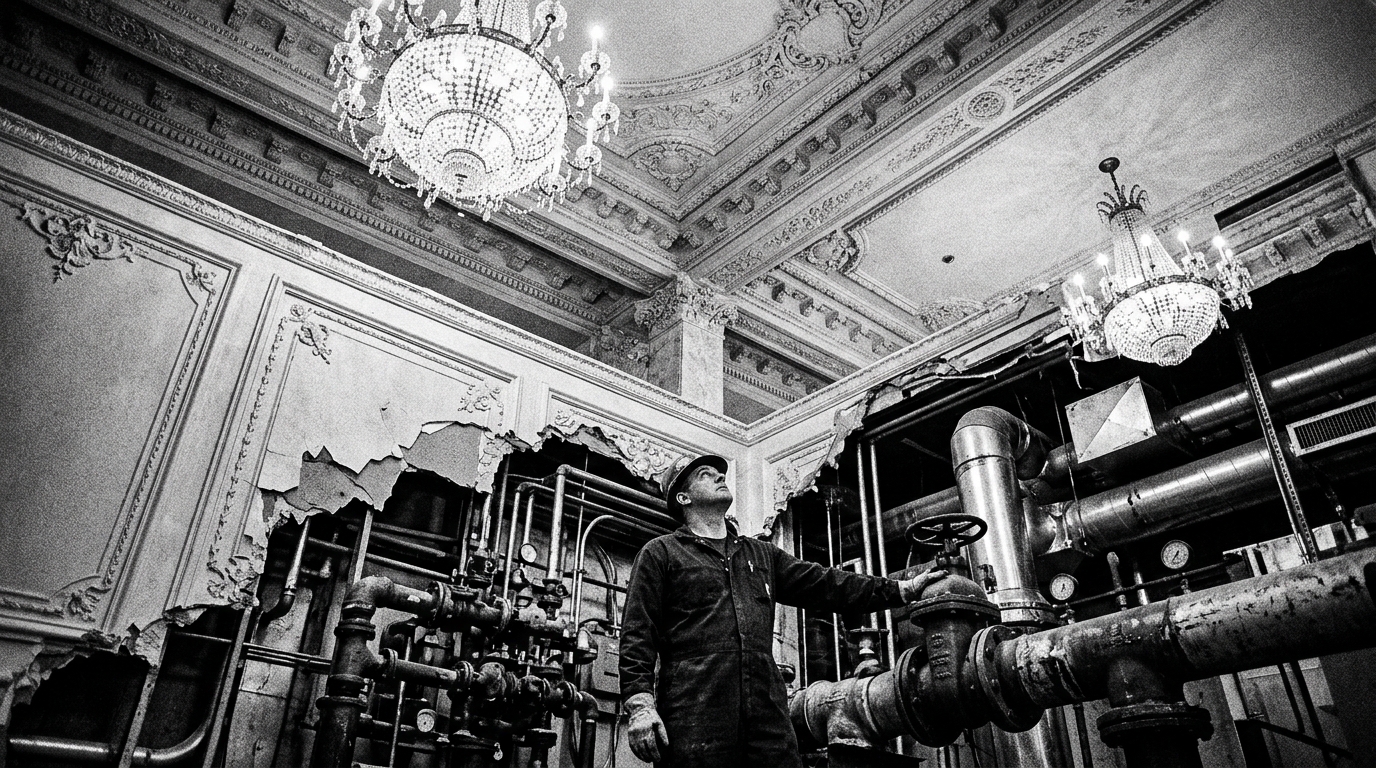
Hotel Seville NoMad gives Hyatt a 348-key Beaux-Arts landmark in one of Manhattan's hottest neighborhoods under The Unbound Collection flag. The question isn't whether the lobby looks beautiful... it's whether a soft brand can deliver enough revenue premium to justify what this property costs to operate in 2026 New York.
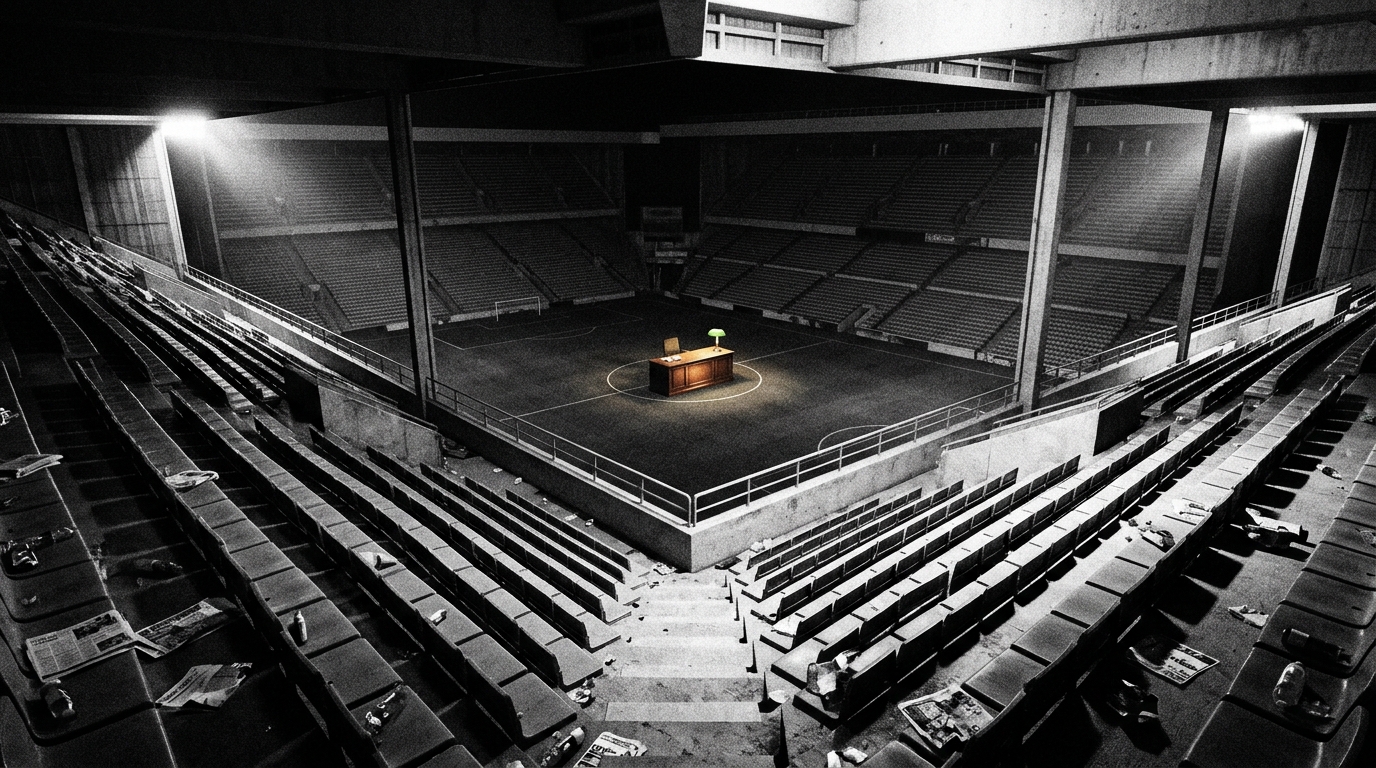
Hilton's Q2 beat and raised full-year RevPAR forecast looks fantastic in the earnings deck. It looks different when you realize how much of that momentum came from a one-time event that's already over and a luxury segment most franchisees don't operate in.
📡
Get the Briefing Every Morning at 6AM
Join hotel operators, owners, and investors who start their day with InnBrief.
Free forever. Unsubscribe anytime. No spam — just signal.

Operations
Primary
Jul 27
U.S. host city hotels averaged 20%+ RevPAR growth during the World Cup, but the numbers underneath tell a more complicated story about rate strategy, demand displacement, and whether a once-in-a-generation event actually taught the industry anything it'll use next month.

Wyndham just posted a quarter where less money came in and more profit went out, which sounds like magic until you understand the mechanics. The gap between what the franchisor is earning and what the franchisee is experiencing has never been easier to calculate... or harder to ignore.

RLJ Lodging Trust's stock is up 58% in a year while most analysts maintain hold ratings and one keeps an "underperform" tag with a price target $1.50 below the current price. The disconnect between market momentum and analyst conviction tells you more about lodging REIT valuation than RLJ itself.

IHG's buyback program is now absorbing nearly 10% of daily London trading volume, artificially compressing the float while the stock trades at 30x earnings. If you're an owner paying 15-20% of revenue in brand fees, it's worth asking where that capital allocation leaves you.

Mark Hoplamazian sold 120,000 shares for $23.8 million while Hyatt traded near its 52-week high and a month after an Investor Day promising "differentiation at scale." The gap between what a CEO tells investors and what he does with his own portfolio is worth decomposing.

Pebblebrook's stock is up 60% this year, the CEO was buying shares at $17 while analysts still had "Hold" ratings, and Q2 earnings land July 28. The gap between insider conviction and Street consensus tells you more than either number alone.

IHG is buying back $950 million in shares this year, canceling 20,000 at a time while its stock trades at 30x forward earnings. When an asset-light company spends more on financial engineering than system growth, the question isn't whether shareholders benefit — it's who's funding the buyback and what they're not getting in return.

IHG just crossed $240 million into a $950 million buyback program, part of nearly $4 billion in repurchases over four years. The per-share math looks clean until you ask what an asset-light franchisor is optimizing for when it's spending more on financial engineering than system growth.

Summit Hotel Properties loses its finance chief while carrying a net loss that doubled year-over-year and a debt-to-equity ratio of 1.69. The CEO stepping in as interim CFO has done the job before, but the question is whether one person can run both sides of a $684M REIT while the capital recycling strategy needs a dedicated finance hand at the wheel.

HSBC just upgraded Hyatt to a buy with a $212 target, betting that 151,000 rooms in the pipeline and a massive gap in secondary markets means the company is just getting started. The question nobody's asking is whether "whitespace" looks as attractive from the owner's side of the franchise agreement as it does from the analyst's spreadsheet.

BMO's chief strategist went on CNBC and told institutional investors to buy Hyatt because it's a "huge performer but under-owned." When the money people start discovering your parent company, the mandates and the margin pressure tend to follow.

Stifel's reiterated Buy on Host Hotels looks straightforward until you decompose the Q1 beat and ask what the 8% dividend yield is actually pricing in. The answer should make REIT investors uncomfortable.

IHG posted 4.4% global RevPAR growth in Q1, blowing past the 3.3% consensus, with groups up 7% and business up 6%. The question every GM should be asking isn't whether the brand is winning... it's whether your property is getting its share.

Development
Primary
May 6
Hilton's new 251-room Adelaide East End won't open until 2031, but the city already has 15 hotels in development and a RevPAR growth forecast of just 1.7% through decade's end. The math on this pipeline is a case study in what happens when government momentum and developer optimism outrun absorption.

Sunstone's Q1 numbers look incredible on the surface... 14.6% RevPAR growth, raised guidance, stock buybacks. But strip out one renovated resort property and the story gets a lot more complicated for anyone benchmarking against these results.

The Fed held at 3.50%-3.75% but three FOMC members just dissented against the easing bias, and a new hawkish chair arrives in six weeks. If you're carrying floating-rate hotel debt originated in 2022-2024, the next move isn't a headline — it's a line item on your debt service schedule you need to model this week.

RLJ Lodging Trust posted 4.8% RevPAR growth in Q1, but the 45 basis points of margin expansion underneath it tells you something more important about what's actually working in urban select-service right now... and what most operators are still leaving on the table.