81 stories·First covered Feb 21, 2026·Latest Jul 31
Hyatt Hotels Corporation is a major global hospitality company competing directly with Marriott International, Hilton Worldwide Holdings, and IHG across premium and upper-midscale segments. The company operates through multiple brand portfolios including Grand Hyatt, Hyatt Regency, Park Hyatt, and Destination by Hyatt, alongside its loyalty program World of Hyatt and co-branded credit card offerings with Chase.
The company is executing an aggressive asset-light strategy targeting 90 percent franchised operations, shifting capital intensity toward franchise fee models and management contracts rather than property ownership. Recent strategic moves include expanding Destination by Hyatt through acquisitions like Seaview and launching Unbound as a soft-brand conversion vehicle. Current operational challenges include labor cost pressures, housekeeping service model economics, and governance considerations under leadership including Mark Hoplamazian and Elena Voss.
Hyatt's competitive positioning centers on technology-enabled operations, franchise fee optimization, and landlord-focused development models rather than traditional hotel ownership. The company faces ongoing industry pressures around daily housekeeping service standards, labor availability, and differentiation against alternative accommodations including Airbnb.
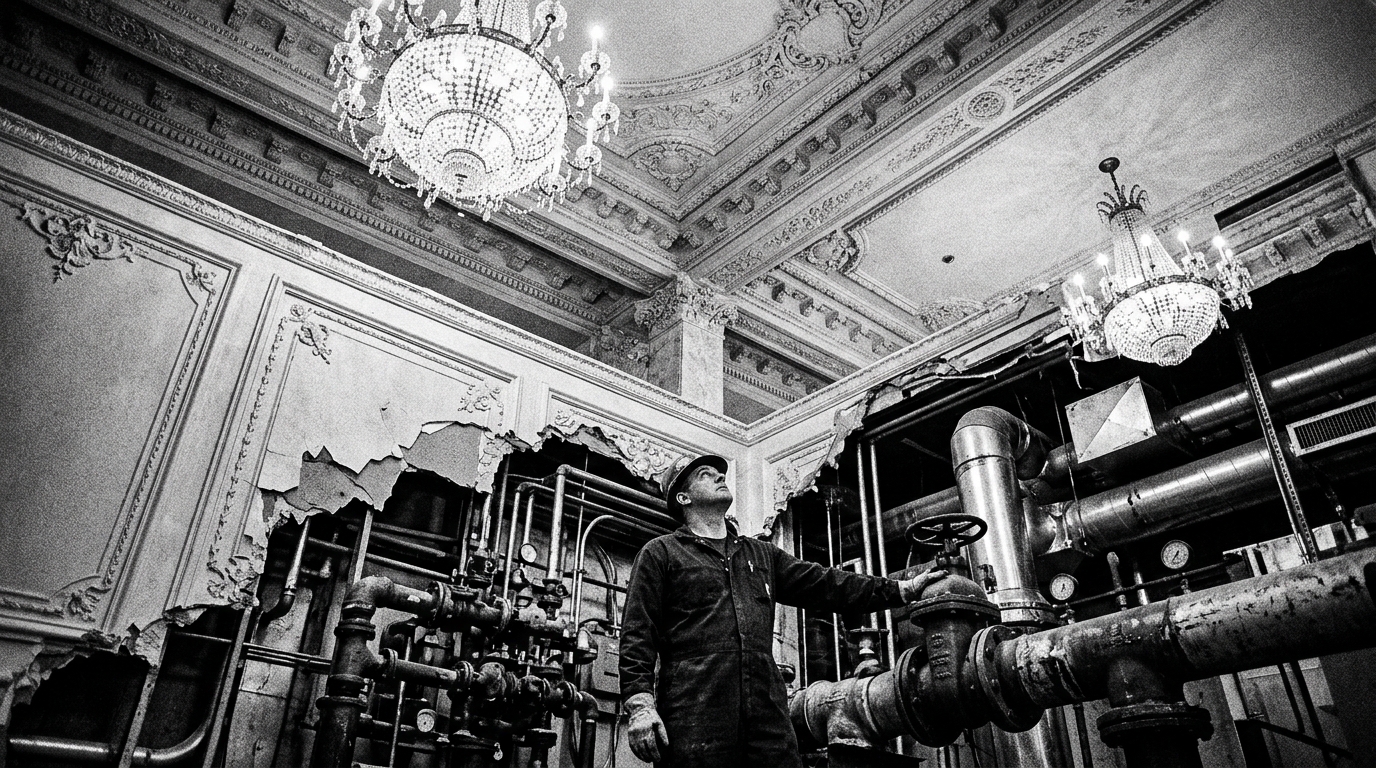
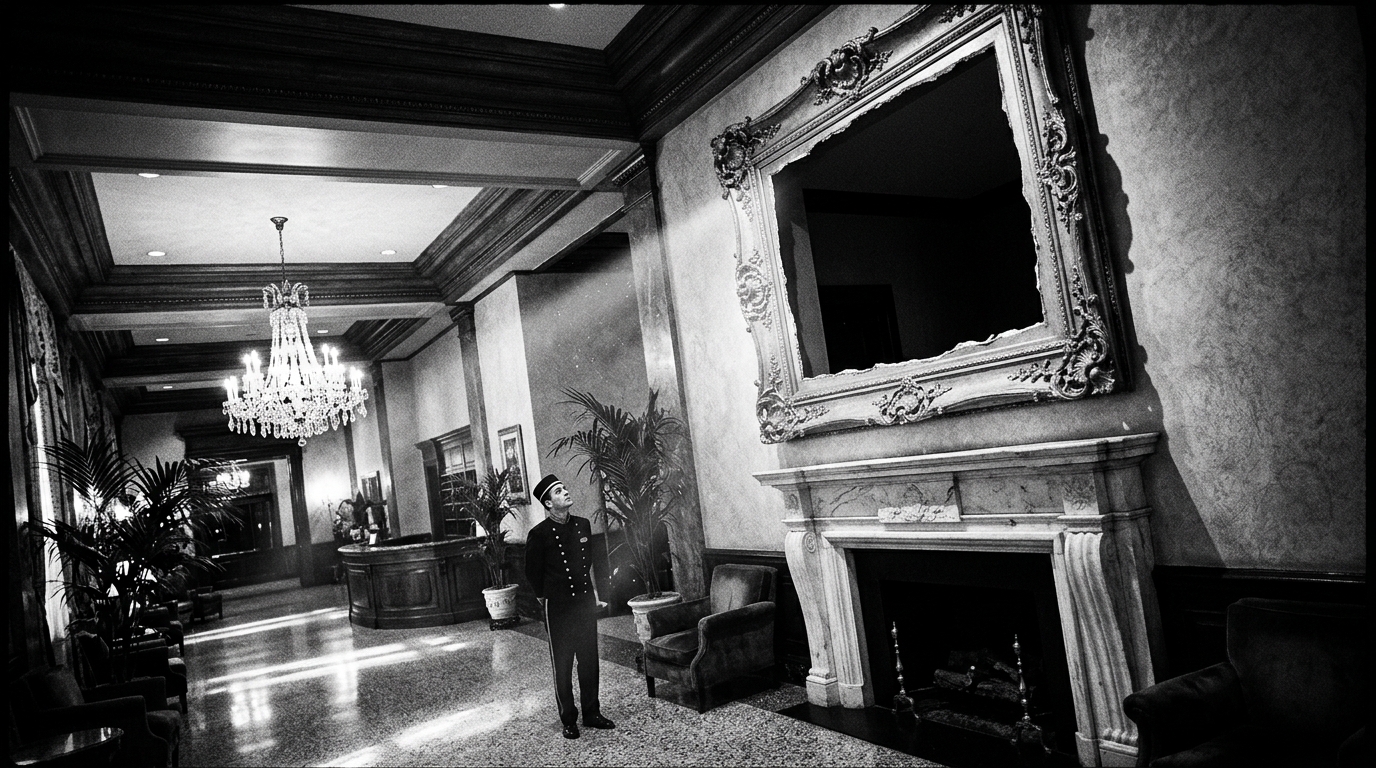
Hotel Seville NoMad gives Hyatt a 348-key Beaux-Arts landmark in one of Manhattan's hottest neighborhoods under The Unbound Collection flag. The question isn't whether the lobby looks beautiful... it's whether a soft brand can deliver enough revenue premium to justify what this property costs to operate in 2026 New York.
Hyatt posted stronger-than-expected Q2 numbers, and the market punished them anyway. When your all-inclusive resorts are sliding, your insiders are selling, and your full-year outlook stays flat after a beat, the "asset-light" story starts to sound like something I've heard brands pitch owners for years... right before the math stops working.
Hyatt posted a quarter that should have been a victory lap... $1.14 EPS against a $0.90 estimate, system-wide RevPAR up nearly 6%, gross fees climbing 8%. Wall Street sold it anyway, and the reason tells you everything about where the premium hotel business is actually headed.
📡
Get the Briefing Every Morning at 6AM
Join hotel operators, owners, and investors who start their day with InnBrief.
Free forever. Unsubscribe anytime. No spam — just signal.
Hyatt posts Q2 earnings Thursday with analysts expecting 32% EPS growth on basically flat revenue, which tells you everything about where the money is actually flowing in this company. If you're an owner inside that system, the question isn't whether luxury is working for Hyatt... it's whether it's working for you.
Chase just cut its transfer ratio to Hyatt by 25%, Marriott's per-point value has dropped to 0.7 cents, and Hilton's is barely worth 0.4 cents. The loyalty programs that justify your franchise fees are quietly repricing the promise they sold you.
A former Breathless resort is becoming an adults-only Curio Collection all-inclusive in Cancun, and what looks like a routine conversion is actually a case study in how the all-inclusive brand war is being won... not by building, but by poaching.
Marriott Bonvoy is charging resort fees as high as $190 on points redemptions that competitors waive entirely, and a class-action lawsuit just made this every franchise owner's problem to explain at the front desk.
Park Hotels & Resorts is up 58% in a year and analysts are calling it undervalued. But $1.4 billion in debt maturing this year sits underneath that rally, and the spread between the stock price optimism and the balance sheet reality is wider than the market seems comfortable admitting.
Air Canada's Aeroplan and World of Hyatt just launched a deep loyalty integration with point transfers, status challenges, and dual-earning credit cards. The question for operators isn't whether the partnership looks good on paper... it's whether your team can handle the complexity at check-in without a manual.
A $81 billion institutional investor adds nearly 12 million shares of a select-service hotel REIT at $7.01 per key, and the stock immediately trades down to $6.54. The gap between what Prudential sees in Summit's portfolio and what the market is pricing tells you everything about where we are in the cycle.
Hilton stock is trading at more than double the hospitality industry's average P/E ratio, and the narrative is all about operations and bookings. But when 95% of your EBITDA comes from fees on other people's hotels, "operational focus" means something very different depending on which side of the franchise agreement you're sitting on.
Alila's first Japan property promises 60 rooms with private hot spring baths, Kengo Kuma design, and a 2028 opening in Hakone. The question nobody's asking is what technology infrastructure actually looks like when your guest experience depends on plumbing, not pixels.
Mark Hoplamazian sold 120,000 shares for $23.8 million while Hyatt traded near its 52-week high and a month after an Investor Day promising "differentiation at scale." The gap between what a CEO tells investors and what he does with his own portfolio is worth decomposing.
The first Grand Hyatt all-inclusive opens for bookings in Los Cabos at $500 a night and 55,000 World of Hyatt points. The question isn't whether the resort looks stunning... it's whether the franchise projections that convinced the owner to build a 301-key all-inclusive in a market flooding with luxury supply will hold up three years from now.
Marriott's fourth St. Regis in Mexico promises butler service, nine F&B outlets, and curated luxury in a market racing to shed its spring break reputation. The question nobody's asking is who's actually staffing all of this when every luxury flag in Cancún is hiring at the same time.
Thomas Pritzker's exit as Hyatt's Executive Chairman wasn't a retirement... it was a reputational emergency triggered by decade-old associations that no technology stack or governance framework could have flagged in time. The real question for every hotel company with a founder's name on the building is what happens when the brand IS a person.
Hyatt's Investor Day pitched World of Hyatt as a $105 million credit card revenue engine by 2027, complete with a sweeping points devaluation and 78 new price tiers. The question nobody in the room asked is what happens to the owner whose guest just realized their points don't go as far as they used to.
Morningstar says Hyatt's loyalty program and new brands are expanding its high-end advantage, and the stock just hit an all-time high. But when you sit on the owner's side of the table and calculate what "advantage" actually costs per key, the math gets a lot less glamorous.
HSBC just upgraded Hyatt to a buy with a $212 target, betting that 151,000 rooms in the pipeline and a massive gap in secondary markets means the company is just getting started. The question nobody's asking is whether "whitespace" looks as attractive from the owner's side of the franchise agreement as it does from the analyst's spreadsheet.
Henderson Park and Pyramid Global just closed on a 579-key Puerto Rico resort at a price that could approach $345,000 per key, and they're planning more capital on top of that. The implied cap rate tells you exactly how much growth they're pricing in.