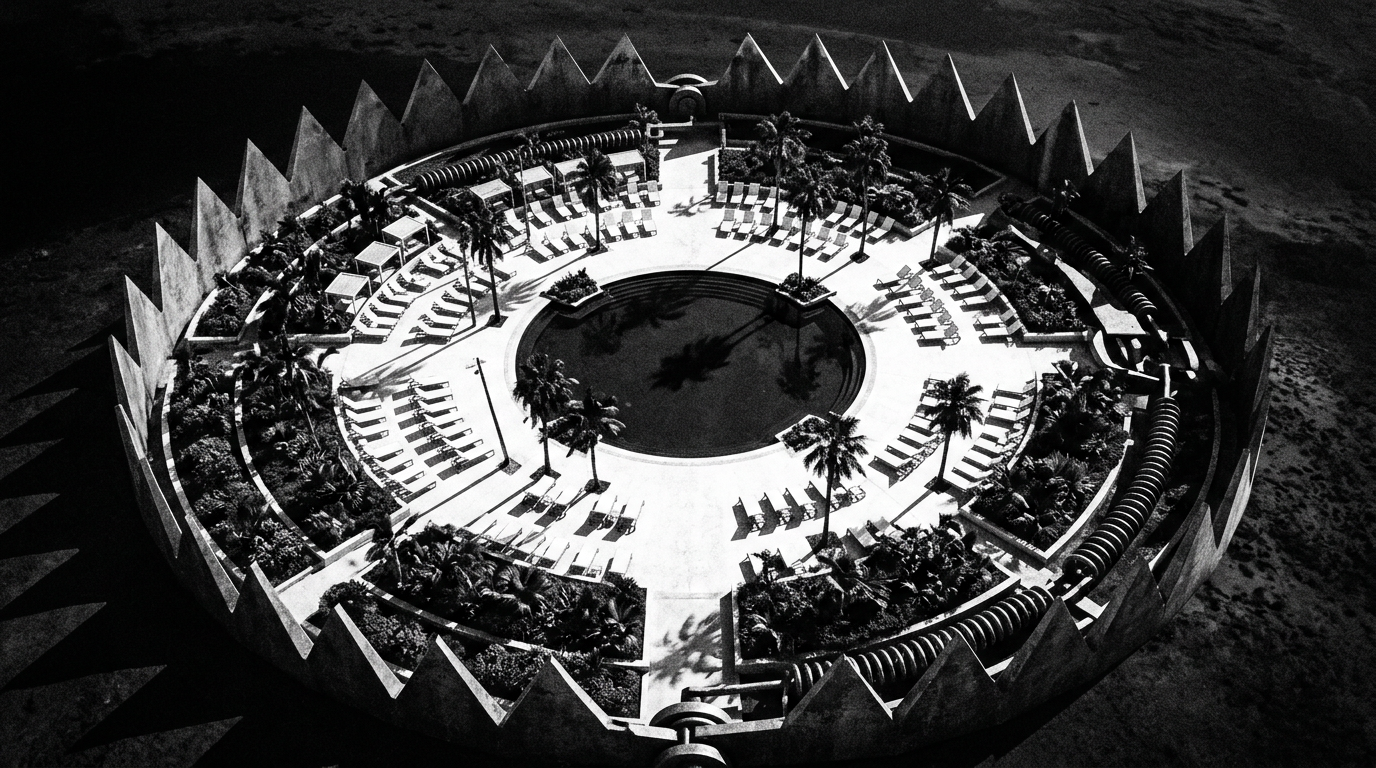
All-inclusive resorts represent a hotel business model where guests pay a single upfront price covering accommodation, meals, beverages, and entertainment. This model eliminates per-item charges and creates predictable revenue streams for operators while simplifying the guest experience. All-inclusive properties compete across multiple market segments, from budget beach destinations to luxury resort experiences, with particular strength in Caribbean, Mexican, and Mediterranean markets.
For hotel operators, all-inclusive models offer distinct operational advantages and challenges. Revenue predictability improves through fixed pricing, though operators must carefully manage food and beverage costs to maintain margins. The model requires significant capital investment in on-site amenities and entertainment infrastructure. Guest satisfaction depends heavily on perceived value and quality consistency across included services, making operational excellence critical for repeat business and brand reputation.
The all-inclusive segment faces ongoing competition from alternative travel models and evolving consumer preferences. Technology integration, including digital amenities and mobile ordering systems, has become increasingly important for enhancing guest experiences while controlling labor costs. Market dynamics continue to shift as travelers weigh convenience and value propositions against desires for flexibility and exploration.
Hyatt posted stronger-than-expected Q2 numbers, and the market punished them anyway. When your all-inclusive resorts are sliding, your insiders are selling, and your full-year outlook stays flat after a beat, the "asset-light" story starts to sound like something I've heard brands pitch owners for years... right before the math stops working.
Los Cabos pushed its hotel inventory from 15,000 to 22,000 rooms while average daily rates climbed from $286 to $440. That's the kind of math that breaks most markets... unless someone is doing something fundamentally different with the product.
A recycled "coming soon" headline about a resort that opened in 2019 is masking the real story: Hyatt bought the operator, sold the dirt, kept the management contracts, and locked in 50-year fee streams. If you're an owner watching this playbook, you should be taking notes... and asking hard questions.
📡
Get the Briefing Every Morning at 6AM
Join hotel operators, owners, and investors who start their day with InnBrief.
Free forever. Unsubscribe anytime. No spam — just signal.
Hyatt just announced its second Ziva resort in the Dominican Republic, a 650-key behemoth opening in 2029, managed by Hyatt and owned by someone else. The asset-light playbook is running exactly as designed, and if you're an independent resort owner in the Caribbean, you should be paying very close attention to what's about to happen to your comp set.
Hilton is expanding its luxury, lifestyle, and all-inclusive resort portfolio at a dizzying pace, and the marketing language sounds gorgeous. But when a brand promises "purposeful, immersive journeys," the question isn't whether guests want that... it's whether the owner in Cancún can afford to deliver it.