Revenue per available room, commonly abbreviated as RevPAR, is a fundamental performance metric that measures a hotel's ability to generate income from its available inventory. Calculated by multiplying average daily rate by occupancy percentage, or alternatively by dividing total room revenue by the number of available rooms, RevPAR serves as a critical indicator of operational efficiency and pricing strategy effectiveness.
RevPAR holds particular significance for hotel operators and investors because it captures both occupancy and rate performance in a single metric, revealing whether revenue growth stems from filling rooms or commanding higher prices. This distinction matters substantially, as the recent performance of major chains like Hyatt and Hilton demonstrates that rising RevPAR can mask deteriorating profit margins when rate increases outpace cost management. The metric enables stakeholders to assess whether properties are optimizing their revenue mix and whether market conditions support sustainable growth or merely reflect pricing pressure in competitive environments.

Wall Street analysts have a consensus price target nearly $25 above Wyndham's current stock price, even as the company quietly removed more rooms than it added in the U.S. last quarter. The question every franchisee should be asking isn't whether the stock recovers... it's what "portfolio optimization" means for the owner who just signed a 20-year agreement.
Operations
Primary
Jul 22
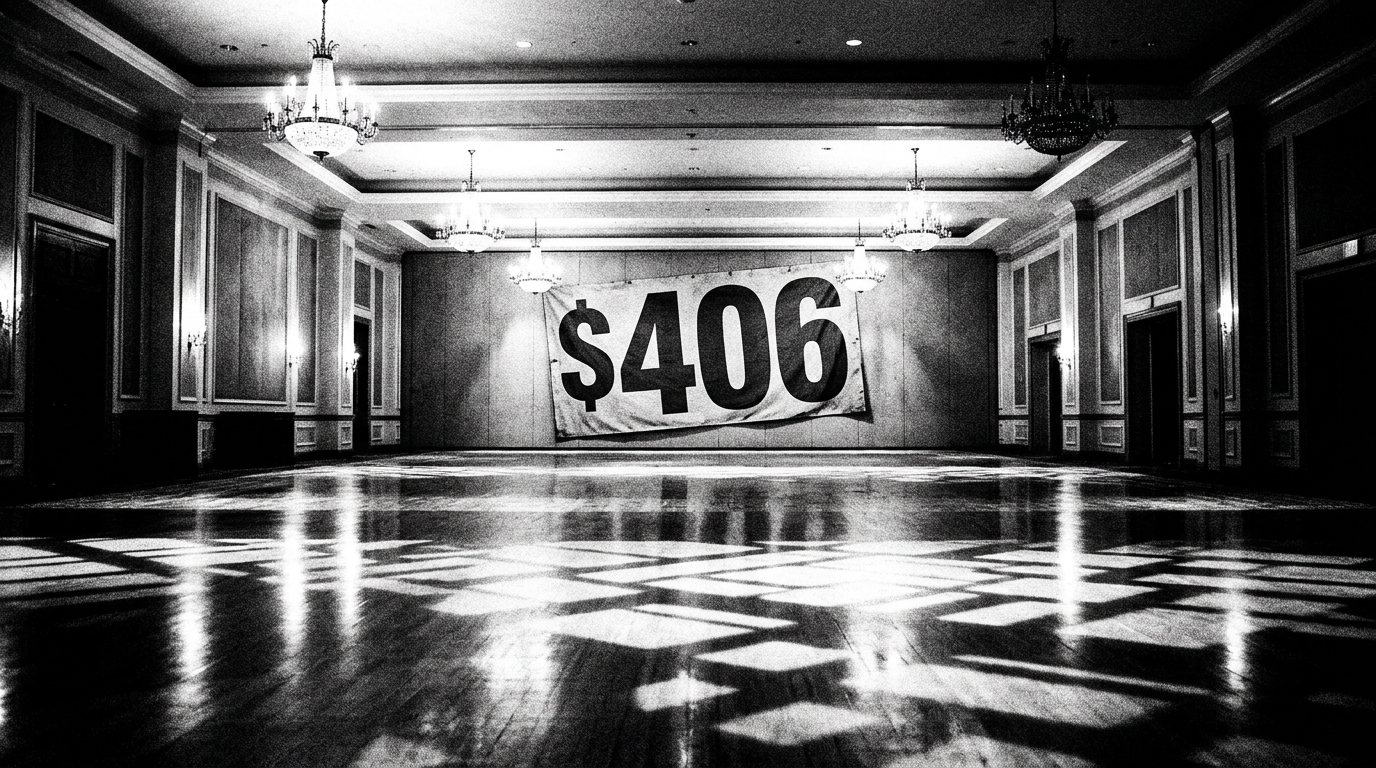
Metro Vancouver's World Cup rates shattered Canadian records at $406 a night while downtown occupancy cratered from 91% to 75%. If you think record ADR with collapsing occupancy is something to celebrate, you haven't done the RevPAR math... and you definitely haven't looked at what happens next summer when the circus leaves town.

Henderson Park and Pyramid Global just closed on a 579-key Puerto Rico resort at a price that could approach $345,000 per key, and they're planning more capital on top of that. The implied cap rate tells you exactly how much growth they're pricing in.
📡
Get the Briefing Every Morning at 6AM
Join hotel operators, owners, and investors who start their day with InnBrief.
Free forever. Unsubscribe anytime. No spam — just signal.

Wynn resumed construction on its $5.1 billion Al Marjan Island casino after a brief pause for Iranian drone strikes, and analysts shrugged it off as "overblown." The 40% equity stake, 15-year exclusive license, and $3.3M per-key price tag tell a more complicated story about what this project needs to return.

Swire Properties imploded a 326-room luxury hotel and is rebuilding with 121 keys, 298 branded residences, and $1.3 billion in pre-sales already booked. The capital structure tells you exactly where luxury hospitality profit margins are migrating.
The UAE just committed $272 million so hotels can keep rates flat during a regional conflict that grounded half the flights in the Middle East. It's the most expensive pricing experiment in hospitality right now, and the technology infrastructure behind it tells you whether it's genius or theater.

Resorts World and MGM are bundling rooms, meals, and entertainment into all-inclusive packages for the first time on the Strip. When two of the biggest operators in Las Vegas start pricing like Caribbean resorts, the question isn't whether it works... it's what the 7.5% visitor decline already cost them.
MGM is bundling rooms, meals, shows, and parking at Luxor and Excalibur for $165 per night all-in, while the Plaza is at $104 per person. The per-night economics tell a very different story than the press release.

LA is simultaneously trying to push hotel taxes past 20% for the Olympics while businesses collect signatures to kill the gross receipts tax entirely. If you operate in Southern California, the math on both sides of this fight is about to reshape your P&L in ways nobody at City Hall seems to have thought through.
A cocktail bar pop-up at a luxury hotel in India sounds like fluff news. It's not. It's a blueprint for how hotels can stop losing the F&B battle to independent restaurants... if they're willing to let someone else drive.

Chatham Lodging Trust missed revenue estimates by nearly a million dollars and still crushed FFO expectations by 33 cents. That gap between the top line and the bottom line is the entire story.
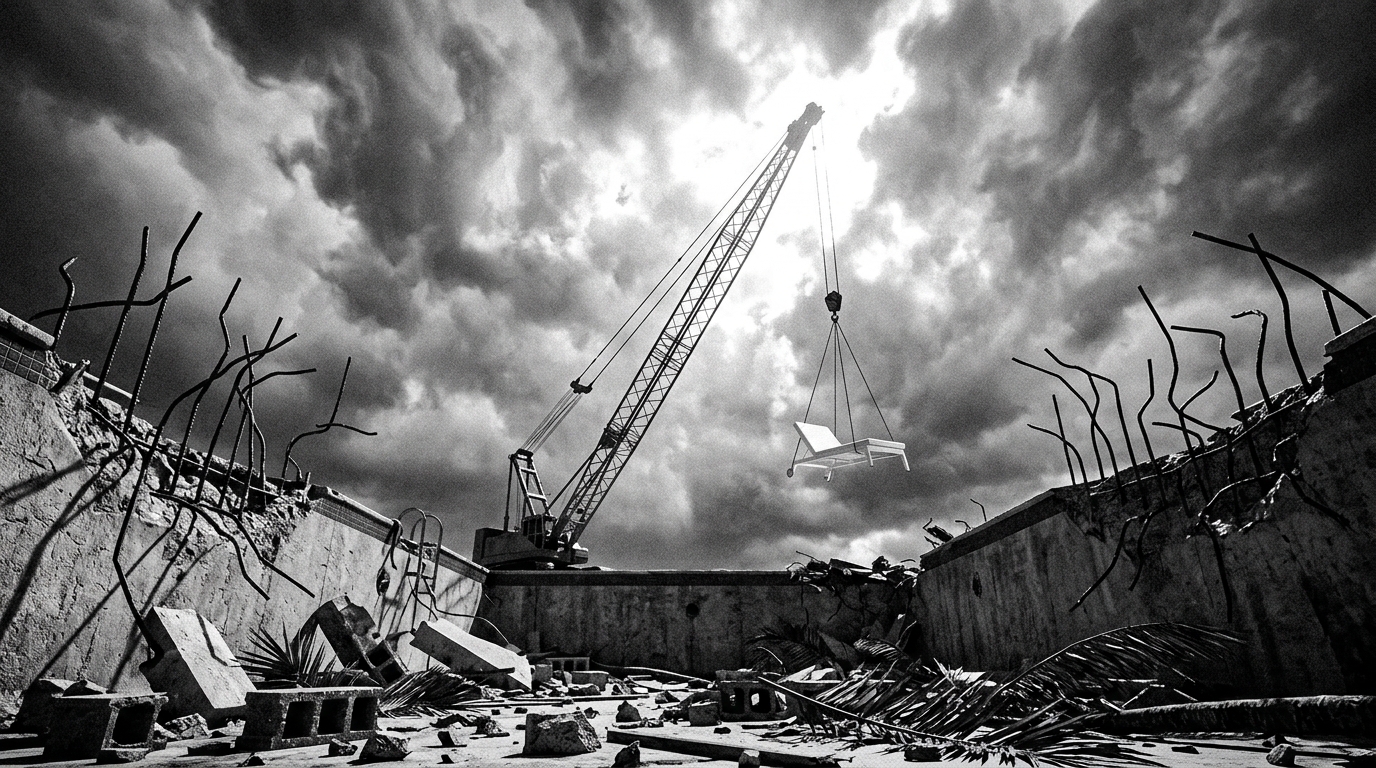
When a Category 4 hurricane shut down three of your flagship resorts, you've got two options: fix what broke, or rip the whole thing down to the studs and build the hotel you always wished you had. Sandals chose door number two.

Public hotel REITs are priced like distressed assets while private buyers are paying full freight for the same buildings. That gap is either the market being irrational or a massive arbitrage window that's about to close.

Brent crude jumped past $80 on US-Israel strikes against Iran, and the market is pricing in sustained disruption. Here's what that does to hotel operating costs before most GMs even update their forecasts.

Operations
Primary
Feb 14
Hyatt just posted higher RevPAR and lower net income in the same quarter. If that sounds like your P&L lately, it's not a coincidence — it's the new math of hospitality, and it's not going away.
Operations
Primary
Feb 13
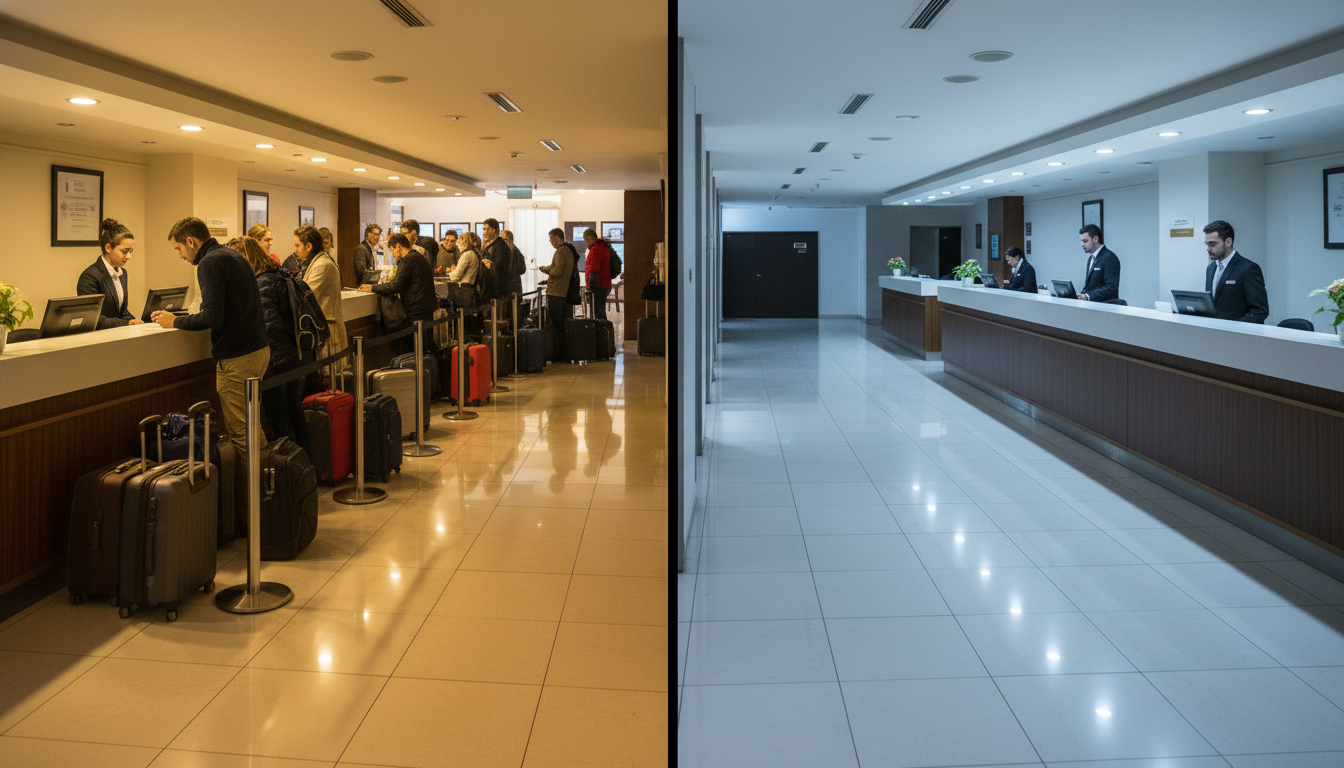
Higher rates saved Hilton's quarter, but plunging occupancy tells the real story. Most operators are making the same fatal mistake — and missing the bigger play entirely.

The Tata Group's budget brand is expanding faster than McDonald's once did in America. Most operators are looking at the wrong playbook.

While hospitality bosses are crying foul over proposed tourist taxes, smart operators should be taking notes — this is about to change how guests think about value.