Wellness Is a Trillion Dollar Industry. Your Spa Menu Isn't a Strategy.
The global wellness tourism market just crossed $975 billion, and every hotel brand is racing to slap "self-care" on a spa treatment and call it a program. The properties actually capturing that spend are doing something fundamentally different with their operations.
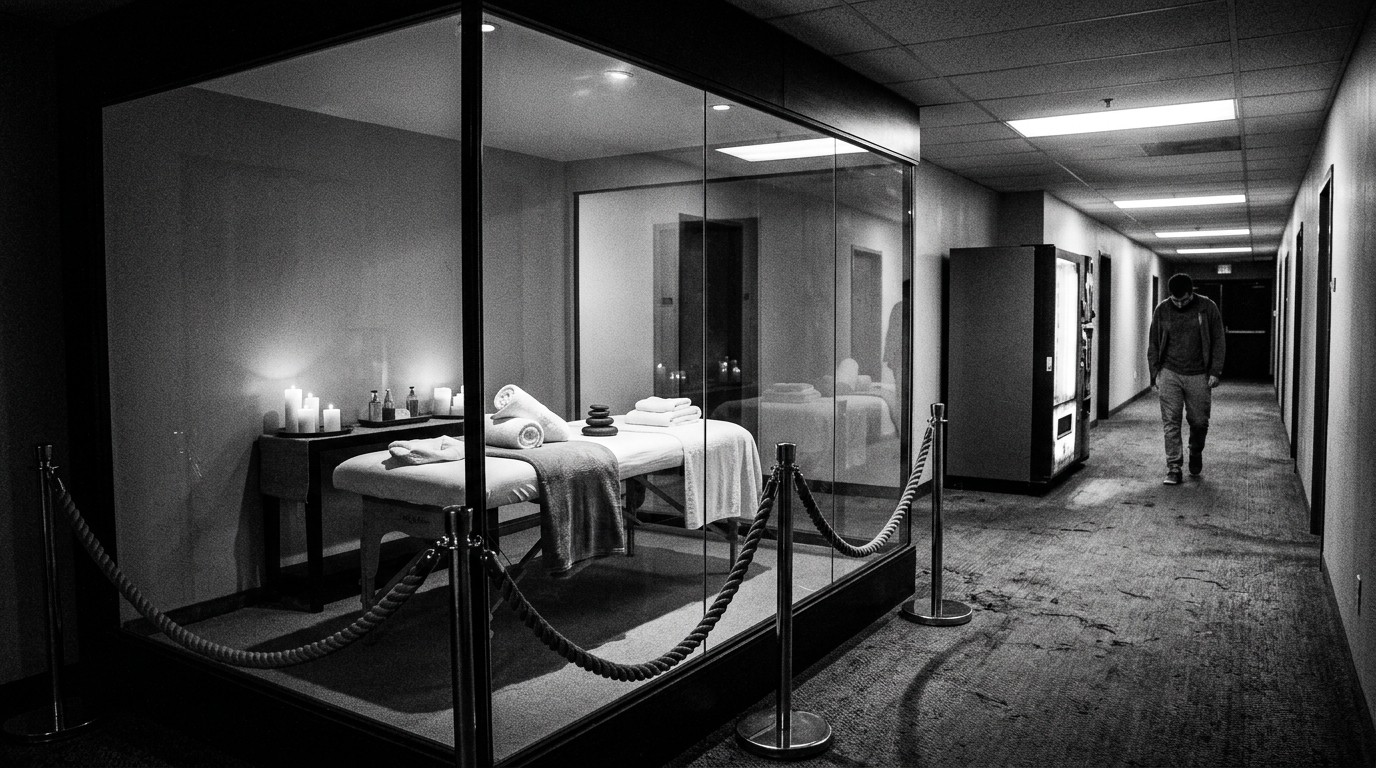
I worked with a GM once who decided her 180-key full-service needed a "wellness program." She spent $40,000 redesigning the spa menu, commissioned new brochures, added aromatherapy turndown amenities, the whole nine yards. Six months later, spa revenue was up 4%. Sounds good until you realize she'd spent more on the rebrand than the incremental revenue it generated. The guests who wanted a massage were already getting one. The guests who weren't... still weren't. She'd decorated the same box.
That story keeps coming back to me as I watch the industry chase the wellness wave. International Self-Care Day rolls around every July 24th, and the press releases pile up. This year it's Newport World Resorts in Manila showcasing spa packages at their Marriott and Sheraton properties... 90-minute massages, couples packages, traditional Filipino healing treatments. And look, there's nothing wrong with any of that. A $65 traditional hilot massage is a fine offering. But when the global wellness tourism market is pushing toward a trillion dollars (roughly $975 billion as of last year, projected to double by 2035), the question isn't whether you should have a spa menu. The question is whether your entire property operates like it understands what wellness guests actually want.
Here's what I've learned after watching this trend build for a decade. The properties winning the wellness dollar aren't the ones with the fanciest treatment list. They're the ones where wellness isn't a department... it's an operating philosophy. It shows up in the mattresses, the blackout curtains, the noise insulation between rooms, the lighting in the corridors at 10 PM, the food options available at 6 AM for the guest who runs before meetings. It shows up in training your front desk team to recognize that the guest checking in at 11 PM after a cross-country flight doesn't need an upsell pitch... they need a quiet room, a bottle of water, and zero friction. That's wellness. That doesn't require a $40,000 spa rebrand. It requires operational intention.
The disconnect I see constantly is hotels treating wellness as a revenue center when the real opportunity is using it as a positioning strategy that lifts the entire property. The guest who books because your property respects their sleep, their nutrition, their need to decompress... that guest has a higher lifetime value, longer average stays, and (here's the part the spreadsheet lovers care about) dramatically lower price sensitivity. Industry data consistently shows wellness-motivated travelers are less rate-conscious. They're not comparing you to the Courtyard down the street on price. They're comparing you on experience. That's a fundamentally different competitive position, and most GMs I talk to haven't internalized what that means for their rate strategy.
The brands are starting to figure this out, which is both good news and a warning. When Four Seasons opens an aquathermal spa concept in Maui and Saudi Arabia builds an entire destination around Six Senses and Equinox wellness resorts, that's not a trend anymore. That's infrastructure. And when infrastructure moves upstream at the luxury tier, the expectations cascade down. Your select-service guest who just stayed at a resort with circadian lighting and a meditation garden is going to walk into your lobby and notice the fluorescent lights and the vending machine hallway. You don't need to compete with Six Senses. But you need to understand that the baseline expectation for what "wellness" means is rising fast, and the gap between what guests expect and what most properties deliver is getting wider, not narrower.
Here's what I'd tell any GM running a property above 100 keys right now. Stop thinking about wellness as your spa P&L and start thinking about it as your sleep experience, your F&B options before 7 AM, your in-room environment, and how your team interacts with guests who are clearly running on empty. Walk your property tonight at 10 PM and ask yourself what a tired traveler experiences. The hallway lighting, the noise from the ice machine, the elevator dings... that's your wellness program, whether you designed it or not. This is what I call the Price-to-Promise Moment. The guest who books a "wellness-forward" property decides in the first 20 minutes whether the rate was worth it. Design those 20 minutes. You don't need a bigger spa budget. You need a quieter hallway, better pillows, and a front desk team that reads exhaustion as well as they read a reservation screen. Run the numbers on your spa revenue per occupied room. If it's under $8, your spa isn't driving demand... it's furniture. The real wellness ROI is in rate integrity and repeat bookings, and that starts with operations, not amenities.