Hilton's Q4 Shows Why Playing the Rate Game Without Revenue Strategy Is Hotel Suicide
Higher rates saved Hilton's quarter, but plunging occupancy tells the real story. Most operators are making the same fatal mistake — and missing the bigger play entirely.
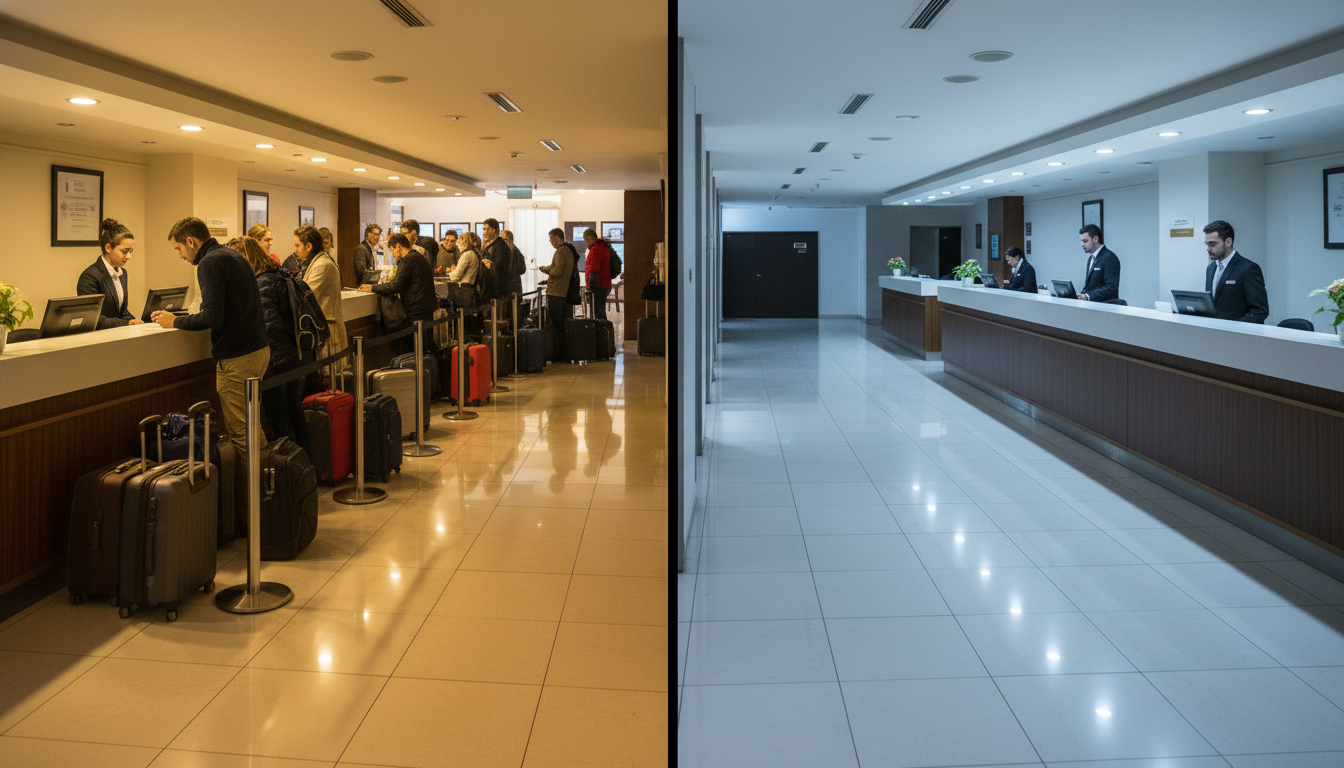
Three years ago, I watched a 180-room property in downtown Vegas jack their ADR up 40% overnight. The GM was convinced he'd cracked the code — why fill 200 rooms at $89 when you can fill 120 rooms at $149?
Six months later, he was updating his LinkedIn.
That's exactly what Hilton's Q4 results are screaming at us, even though Wall Street is calling it a win. Sure, higher hotel rates bolstered their numbers. But US occupancy rates are slumping — and that's the canary in the coal mine everyone's ignoring.
Here's what actually happened: Hilton pushed rates and watched demand walk away. Sound familiar? It should, because 8 out of 10 properties I know tried the same move coming out of COVID.
The problem isn't raising rates. The problem is raising rates without understanding what you're really selling.
When I was turning around properties for Millennium, we had a 240-room hotel in Nashville that was stuck at 62% occupancy. The previous management kept pushing ADR higher, thinking premium positioning would save them. They were hemorrhaging money on a half-empty building.
We dropped rates 15% and occupancy jumped to 78% in eight weeks. But here's the kicker — revenue per available room went UP 23%. Why? Because we weren't just selling beds. We were selling parking, F&B, meeting space, and ancillary services to bodies that were actually in the building.
Hilton's Q4 proves what I've been saying for months: the rate-first strategy only works if you've got pricing power that most properties simply don't have. And in most markets outside of luxury leisure destinations, that pricing power evaporated in Q4.
The occupancy slump isn't seasonal. It's demand destruction. And once you lose that customer to a competitor who's playing the volume game smarter, good luck getting them back at your inflated rate.
Every empty room is a missed opportunity for upsells, loyalty program engagement, and the kind of guest experience that creates repeat business. You can't deliver exceptional service to ghosts.
If your market can't sustain 15%+ rate increases without occupancy dropping below 70%, you're playing the wrong game. Focus on RevPAR optimization through volume, then layer in ancillary revenue. Empty rooms generate zero loyalty and zero word-of-mouth.