Marriott Is Betting on Kathmandu With 300 Luxury Keys. The Existing One Already Lost Occupancy.
Marriott just announced a Ritz-Carlton and a Westin for Kathmandu, adding 300 rooms to a market where its current property saw occupancy drop from 67% to 61% last year. The brand math gets very interesting when you do the delivery test on a 2031 opening in an emerging luxury market that doesn't exist yet.
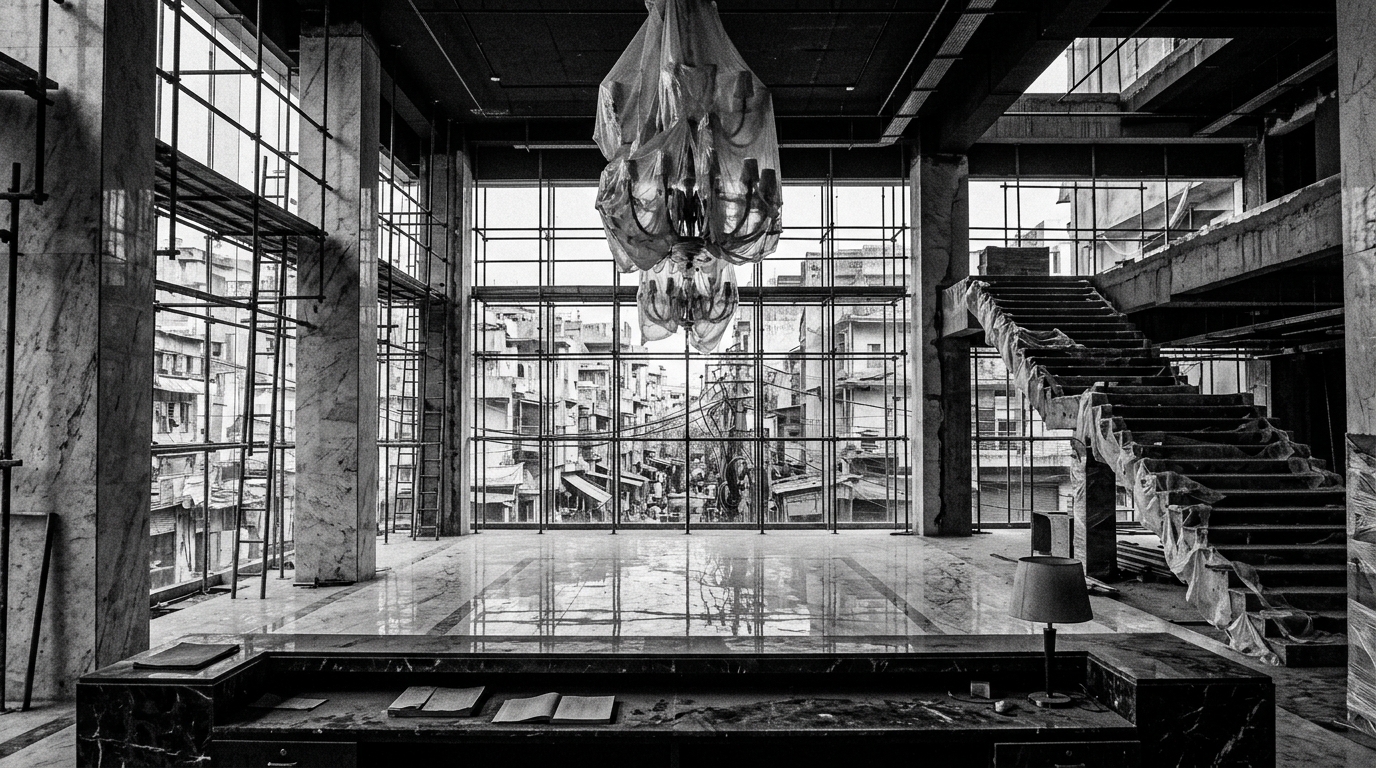
I grew up watching my dad take calls from brand development teams pitching the next big thing. The energy was always the same... breathless, full of renderings, heavy on the words "tremendous opportunity" and "untapped potential." He'd listen politely, hang up, and say something like, "They're selling me the view from the top of the mountain. Nobody's talking about the road to get there." I think about that every time I see a luxury brand announcement in an emerging market. Which brings us to Kathmandu.
Marriott just signed a multi-unit deal with CG Hospitality Global to open a 150-key Ritz-Carlton and a 150-key Westin in Nepal's capital, both targeted for 2031. The investment on the Ritz-Carlton alone is estimated at roughly Rs 15 billion (somewhere north of $100 million USD depending on the conversion). Five restaurants and bars. Over 1,100 square meters of conference space. Spa. The full luxury playbook. And this isn't happening in isolation... Marriott already has a cluster GM managing the existing Kathmandu Marriott, a Fairfield, and a Moxy in the market, and a Luxury Collection property from another developer is supposed to open this October. By 2031, Marriott could have eight branded properties in a single Nepali city. Eight. Let that number sit with you for a second, because I want to talk about what happens between the signing ceremony and the first guest checking in.
Here's the part the press release left out. The Kathmandu Marriott (the existing one, the proof-of-concept property that should be demonstrating the demand thesis for everything that comes next) saw revenue decline 10.7% and occupancy drop from 67% to 61% in fiscal year 2025. That's not a catastrophe. But it's a trend line moving in the wrong direction at exactly the moment you're announcing 300 additional luxury and premium keys. Nepal's tourism numbers are recovering (over a million visitors in 2023, with the government targeting two million), and the luxury lodge sector is genuinely underdeveloped. I believe the long-term opportunity is real. But "long-term opportunity" and "can a Ritz-Carlton sustain a rate that justifies Rs 15 billion in development cost" are two very different conversations. The brand promise of Ritz-Carlton is specific, expensive to deliver, and assumes a guest base that currently doesn't exist in volume in Kathmandu. You're not just building a hotel. You're building a market. And building a market takes longer, costs more, and breaks more projections than anyone puts in the pitch deck.
Marriott's strategic logic is sound on paper. Gateway city first, then expand. Use Bonvoy's 280 million members (75 million in Asia Pacific alone) to pipe demand into a new destination. Position Nepal as experiential luxury before competitors do. I've seen this playbook work. I've also seen it fail spectacularly when the demand generation machine... the loyalty program, the global sales engine, the corporate accounts... can't deliver enough heads-in-beds to a market that's still emerging. The Deliverable Test here isn't about the lobby design or the spa concept. It's about whether you can staff a Ritz-Carlton service standard in Kathmandu with people who've never worked in a luxury hotel at that tier, whether you can maintain the physical plant in a city with infrastructure challenges, and whether the airlift and tourism infrastructure can deliver enough guests willing to pay Ritz-Carlton rates to make the numbers work. Those are real questions. The fact that CG Hospitality is co-developing with multiple Nepali business groups suggests the capital side is handled. The operational delivery side is where this gets fascinating... and where I'd be asking very hard questions if I were an owner looking at a similar emerging-market brand pitch.
The filing cabinet in my head (yes, I keep one) says the same thing about every emerging-market luxury play: the variance between projected performance and actual performance in years one through three is where family wealth goes to get tested. The brand will be fine either way... Marriott collects fees whether the hotel runs at 45% occupancy or 75%. The developer is the one whose sleep depends on the gap between the rendering and the reality. If you're an owner being pitched a luxury flag in a market where the demand thesis is still aspirational, pull the performance data from the closest comparable. Not the projection. The actual. And if there is no comparable (which in Kathmandu's case for Ritz-Carlton, there really isn't), that should make you think harder, not less.
Here's the takeaway if you're an owner or developer being pitched a luxury brand in an emerging or frontier market right now. This is what I call the Brand Reality Gap... brands sell promises at scale, and properties deliver them shift by shift. Before you sign, demand actual performance data from the closest comparable market, not projections from corporate development. If they can't give you actuals, that tells you something. Build your pro forma on a 15-20% haircut from whatever the brand projects for loyalty contribution in years one through three... I've seen the variance in markets like this, and it's almost always optimistic. And stress-test your staffing model against the real labor pool in that market, not against what a Four Seasons in Singapore can recruit. The building is the easy part. The service culture that justifies a $400+ rate in a market that's never seen one... that's the five-year project nobody puts on the timeline.