Average daily rate (ADR) is a fundamental performance metric that measures the average revenue generated per occupied room on a given day. Calculated by dividing total room revenue by the number of rooms sold, ADR serves as a critical indicator of pricing power and revenue management effectiveness across hotel properties and portfolios.
ADR functions as a primary lever in hotel profitability alongside occupancy rate and length of stay. Hotel operators use ADR to assess competitive positioning, evaluate pricing strategies, and optimize revenue per available room (RevPAR). Recent industry performance data demonstrates that ADR growth alone does not guarantee profit expansion—operators increasingly recognize that sustainable revenue growth requires balanced strategies addressing both rate and operational efficiency rather than rate increases that mask underlying cost pressures or demand weakness.
The metric remains essential for investors and operators evaluating property performance, market conditions, and management execution. ADR trends reveal whether rate increases reflect genuine demand strength or represent pricing adjustments masking occupancy challenges, making it indispensable for informed decision-making in hotel operations and investment analysis.

Operations
Primary
Mar 25
Cloudbeds just analyzed 90 million bookings and the picture for independents isn't tightening margins... it's a slow-motion surrender of your business to platforms that charge you 15-25% for guests who used to find you on their own. The question is whether you're going to do something about it or just keep writing the commission checks.

Operations
Primary
Mar 23
The mid-February national numbers look healthy at $103.35 RevPAR, but the spread between the best and worst performing markets was nearly 50 percentage points. If you're benchmarking against the national average instead of your three-mile radius, you're not managing... you're guessing.

JHR posted ¥14,185 RevPAR in January, essentially unchanged year-on-year. But occupancy climbed 1.9 points while ADR dropped 2.3%. That's not stability. That's a trade.
📡
Get the Briefing Every Morning at 6AM
Join hotel operators, owners, and investors who start their day with InnBrief.
Free forever. Unsubscribe anytime. No spam — just signal.

Chatham Lodging Trust missed revenue estimates by nearly a million dollars and still crushed FFO expectations by 33 cents. That gap between the top line and the bottom line is the entire story.

Marriott is dangling the biggest credit card welcome bonuses in program history to capture summer travelers. The real question is who's actually paying for all those "free" nights... and if you're an owner, you already know the answer.

Business travel demand is supposedly back. But the midweek stays that used to pay the bills? They're running about half a night shorter than 2019. That's not a rounding error. That's a structural change to your P&L.

Hotels in FIFA host cities have been pricing rooms like it's 1999. Now a shooting war, $90 oil, and a global travel sentiment shift are about to stress-test every assumption baked into those rate strategies.

APLE beat Q4 earnings estimates while RevPAR declined 2.6% and hotel EBITDA margins contracted 230 basis points year-over-year. The updated investor presentation tells a story of disciplined capital allocation, but the operating fundamentals underneath deserve a harder look.

Technology
Primary
Feb 24
Industry leaders are projecting confidence while RevPAR growth forecasts sit at half the long-term average and the performance gap between luxury and economy widens into a canyon. The question isn't whether hotels are resilient... it's which hotels.

Hyatt just posted higher RevPAR and lower net income in the same quarter. If that sounds like your P&L lately, it's not a coincidence — it's the new math of hospitality, and it's not going away.
Operations
Primary
Feb 13
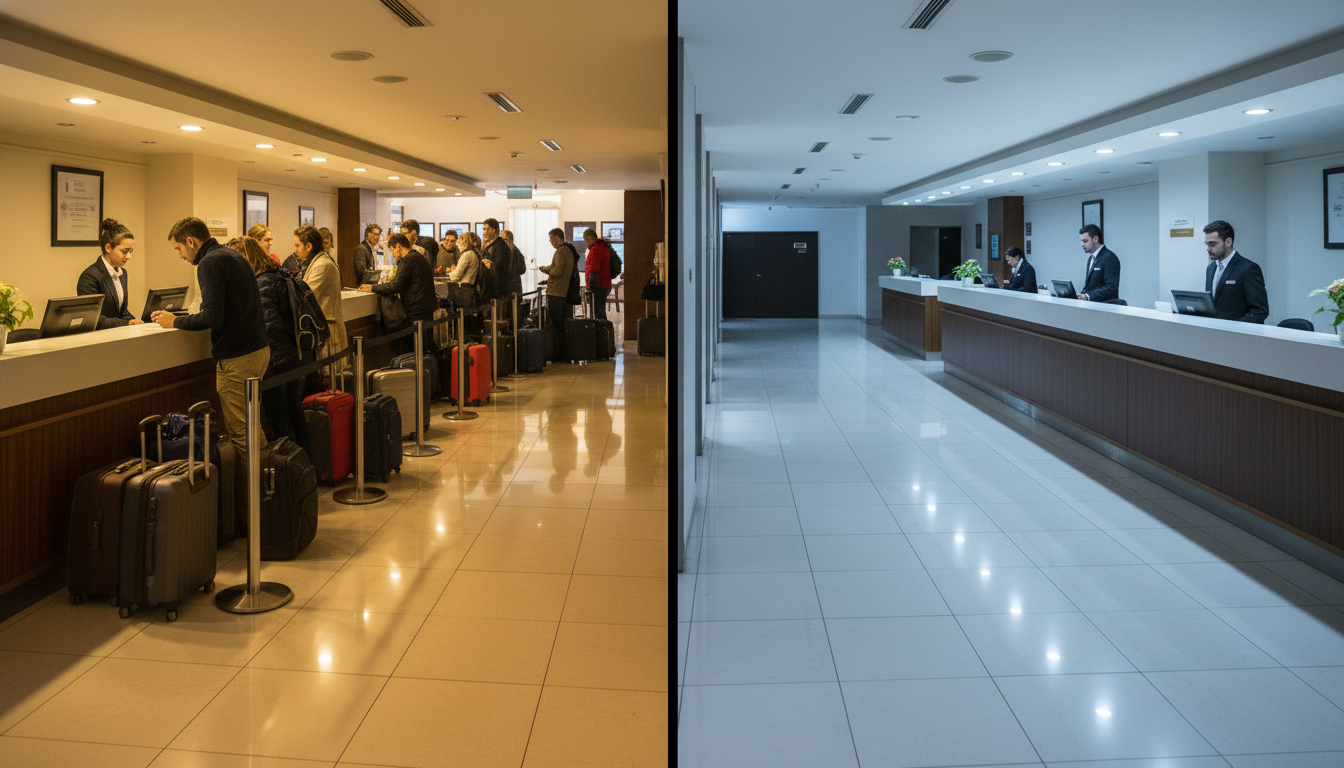
Higher rates saved Hilton's quarter, but plunging occupancy tells the real story. Most operators are making the same fatal mistake — and missing the bigger play entirely.
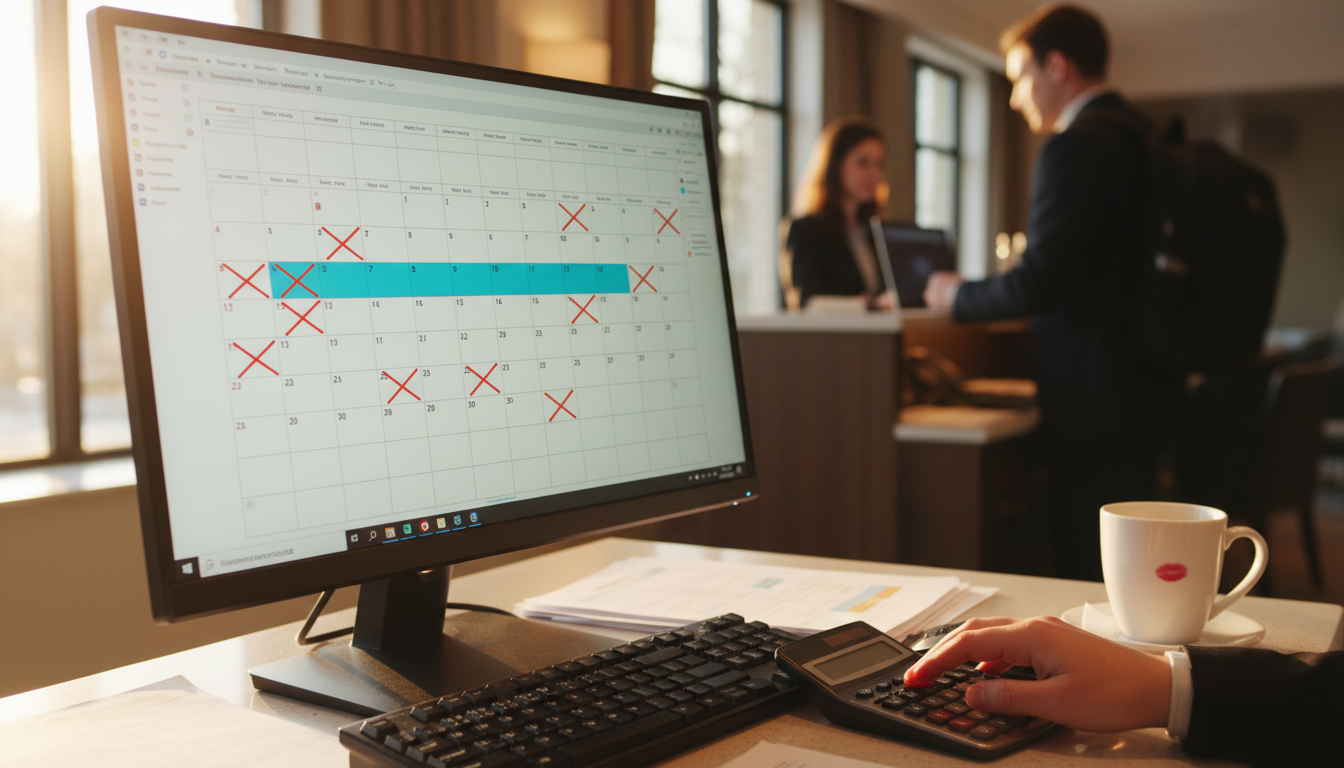
A massive market is asking hospitality for something different, and most operators are still running the same 72-hour playbook from 2019.
A Norfolk hotel just made another "best of" list. Before you dismiss it as marketing fluff, understand what these awards actually signal about guest expectations at your property.

A Wisconsin cheese factory just became a boutique hotel with an operating micro-dairy. It's a case study in how adaptive reuse succeeds when you give guests something they can't get anywhere else.

Uga Jungle Beach just rolled out luxury cabins and a new restaurant concept — and it's a playbook other boutique properties should steal.