A Casino Town Went Dark on the Fourth of July. 300 Families Are Waiting for the Lights.
Primm Valley Casino closed for a transition between operators and missed its own reopening date, leaving a border town and 300-plus employees in limbo. If you've ever managed a property through an ownership change, you already know the part nobody's talking about.
I've seen this movie before. Different property, different state, different decade... but the same plot every time. An operator decides a property is bleeding too much cash, announces they're walking away, and somewhere between the press release and the key handover, a whole community holds its breath.
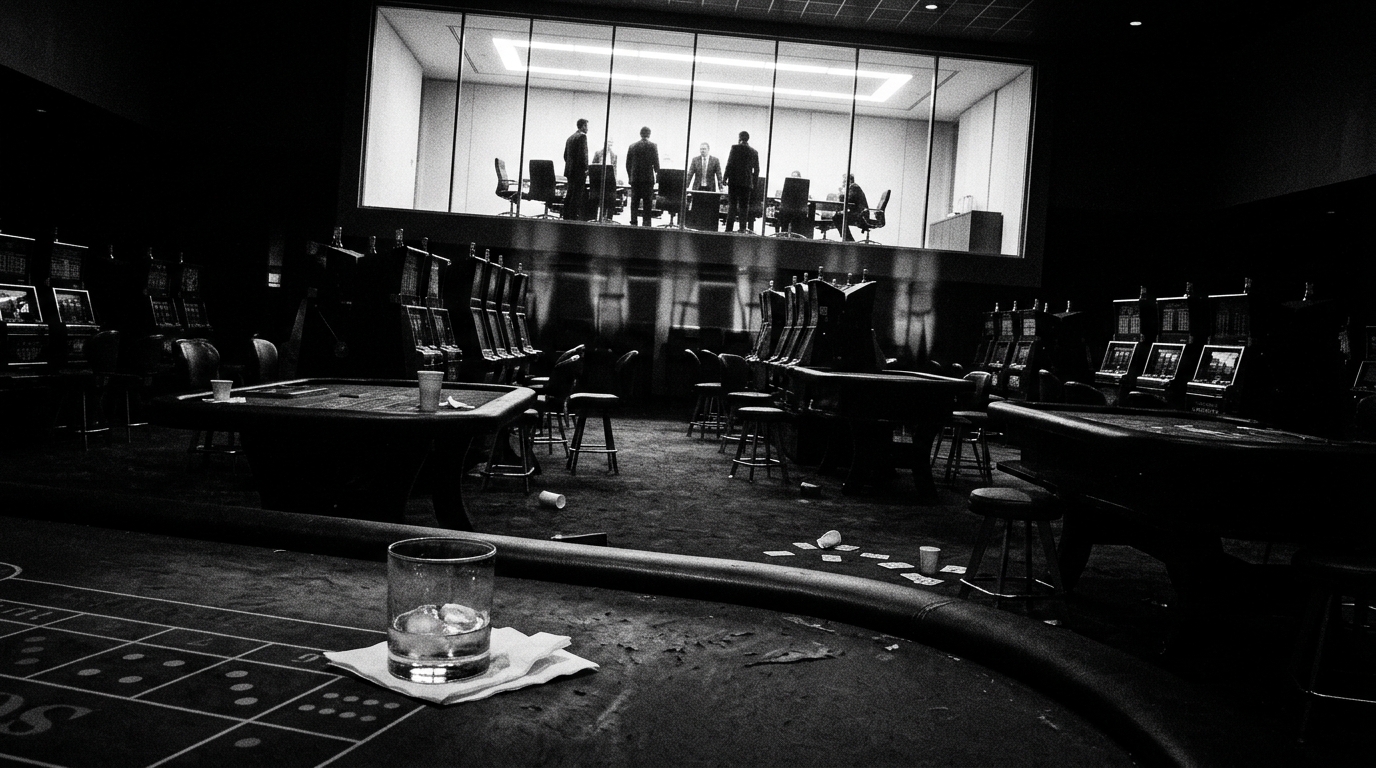
Primm, Nevada... that little cluster of casino resorts on I-15 between LA and Vegas... just lived through it. Affinity Gaming said back in May they were done. Permanently closing. Three hundred and forty-four people were about to lose their jobs on Independence Day. Then a last-minute deal with the Herbst family's Terrible's operation came together in June. Gaming regulators approved it on the 25th. Terrible's officially took over on July 1st. And here we are on the Fourth of July... the gas stations are open, the lotto store is open, but the casino itself? Closed. No reopening date announced. Three hundred families sitting there wondering if the lifeline is real or if they just traded one kind of uncertainty for another.
Here's what the headlines don't capture. When a property goes through a transition like this, the building doesn't just need a new sign and a fresh set of keys. It needs licensing approvals, vendor contracts renegotiated, system migrations, staffing decisions, and about a hundred operational details that don't show up in a press release but absolutely show up at 2 AM when someone needs to make a decision and doesn't know who they report to anymore. I managed through an operator transition once at a property about half this size. Even with a clean handoff and cooperative parties on both sides, it took weeks before the team stopped looking over their shoulders. The org chart said one thing. The culture hadn't caught up yet. People were doing their jobs but nobody felt safe. That feeling... it's invisible on paper and it's the only thing that matters on the ground.
The backstory here is worth understanding. This corridor used to be the last gambling stop before the California line, and it thrived on that geography. Then tribal casinos expanded across Southern California, Vegas kept building bigger and shinier attractions to the north, and Primm got squeezed from both directions. MGM sold these properties to Herbst Gaming (which became Affinity) back in 2007 for $400 million. Four hundred million. Affinity's own CEO recently told the Gaming Control Board that Primm was "just not viable as a casino operation." So now the Herbst family is back... different entity, different deal structure, this time as operator rather than owner... and the Primm family retains the land. That's a meaningful distinction. When the family that owns the dirt and the family that runs the operation are different people with different risk profiles, the alignment question becomes everything. The operator can walk away (Affinity just proved that). The landowner can't. They're the ones whose name is on the town.
Look... I hope this works. I genuinely do. Three hundred jobs in a place like Primm isn't a labor statistic. It's the entire community. There are employee apartments on site. These are people whose homes and livelihoods exist because that casino operates. But hope isn't a business plan. The competitive dynamics that made Affinity quit haven't changed. The tribal casinos in California aren't getting smaller. Vegas isn't getting less attractive. Whatever Terrible's has in mind for reinvention, it has to be something fundamentally different from what failed before... because the old model of being a pit stop with slots didn't survive and it won't survive just because the name on the management agreement changed. The question isn't whether they can reopen. It's whether they can reopen as something that's actually viable for the next decade, not just the next quarter.
If you've ever managed a property through an operator transition... or you're about to... here's what I want you to focus on. Your staff is scared. Period. They've been told their jobs are saved and they're watching the building sit dark on a national holiday. That gap between "saved" and "actually working a shift in a functioning operation" is where you lose your best people. The ones with options leave first. You keep the ones who can't afford to leave, and then you're rebuilding a team from a weaker bench. If you're anywhere near a situation like this, the single most important thing you can do right now is communicate. Obsessively. Even when there's nothing new to say, say that. "No update yet, but you still have a job and here's when I'll know more." Silence is where rumors breed, and rumors are what drive your best housekeeper to take that offer across town.