CAD $119 Easter Brunch Won't Save Your F&B. But the Strategy Behind It Might.
Four Seasons Whistler charged $119 per adult for an Easter brunch and wrapped it in egg hunts, maple taffy, and candle-making workshops. The interesting part isn't the holiday programming... it's the operational model that makes ancillary revenue feel effortless while most hotels can't staff a breakfast buffet past 9 AM.
I worked with a resort GM years ago who told me something I never forgot. He said, "Mike, anybody can put out a ham and call it Easter brunch. The ones who make money are the ones who turn a Sunday meal into a three-day stay." He wasn't talking about food. He was talking about programming as a revenue architecture. And he was running a 140-key mountain property with a skeleton crew that somehow made every holiday weekend feel like an event.
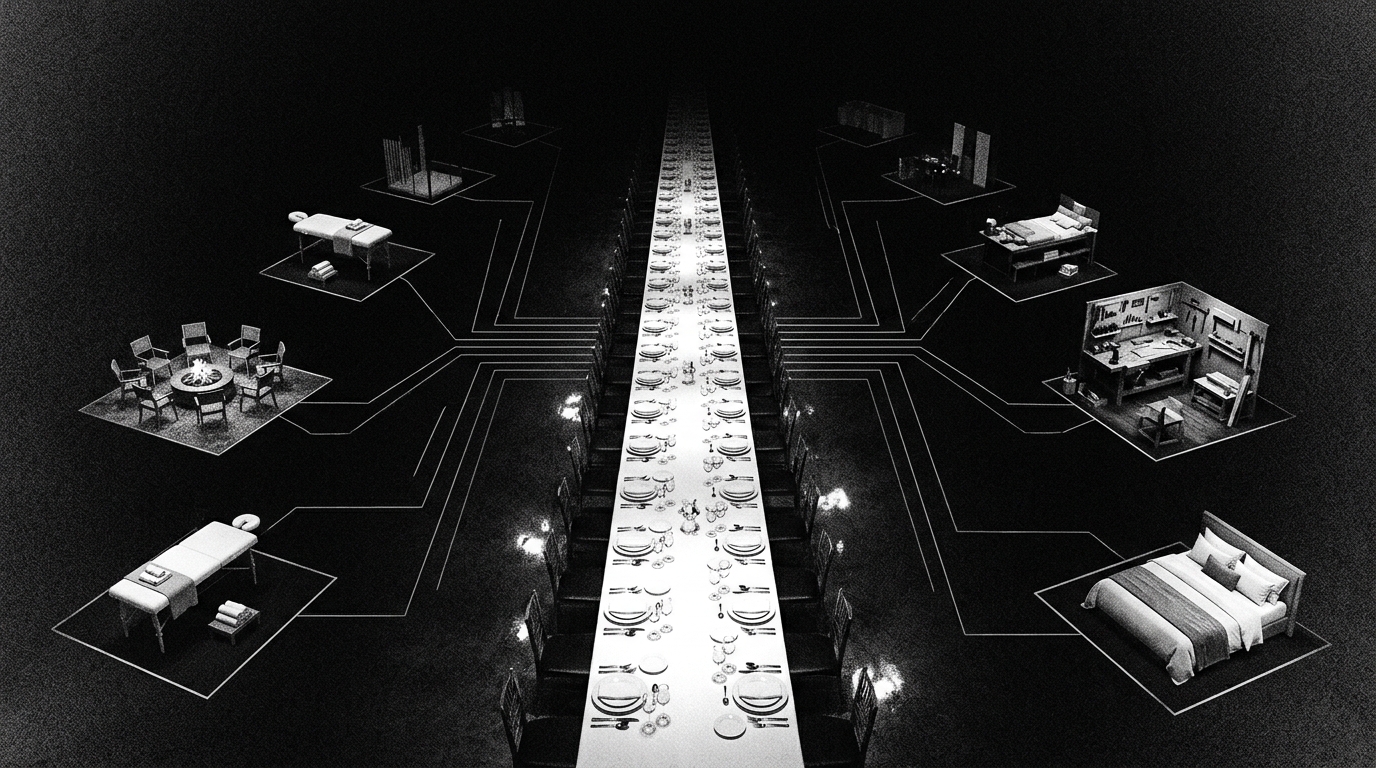
That's what I think about when I see Four Seasons Whistler rolling out their Easter package. CAD $119 per adult, $49 per kid for the brunch. Egg hunts. Maple taffy from 4 to 5. S'mores by a fire from 4 to 6. Spa scrub experience. Candle-making workshop. On paper, it's a luxury resort doing luxury resort things. Nothing revolutionary. But here's what most people miss... every single one of those touchpoints is designed to extend length of stay and increase per-guest spend across multiple revenue centers. The brunch gets them to the restaurant. The egg hunt keeps families on property through the afternoon instead of heading into the village. The spa experience and the candle-making workshop are Tuesday and Monday programming specifically designed to book the shoulder nights around the holiday. This isn't event planning. This is yield management disguised as hospitality.
And that's where the gap lives for 95% of hotels. Four Seasons has the brand equity, the staffing model, and the physical plant to execute this seamlessly. They just brought in a new GM two days before announcing this programming... Pierre Morillon, their new property leader... which tells you this stuff is systematized at the brand level, not dependent on one person's creativity. That's the difference. When your seasonal programming is a system, a new GM walks in and it runs. When it's one enthusiastic F&B director's side project, it walks out the door when they do. Most independent and select-service operators I know treat holiday programming as an afterthought. Something you throw together in March for Easter, in November for Thanksgiving. You print some flyers, maybe run a social post, and hope people show up. Then you wonder why the resort down the road is running 94% occupancy on Easter weekend while you're sitting at 71%.
Look... I'm not saying you need to be Four Seasons. You can't be, and trying to be is how you lose money. But the underlying principle is available to every property with a restaurant, a lobby, or an outdoor space. Map the guest's day hour by hour. Find the moments where they're deciding between staying on property and leaving. Put something in those moments. It doesn't have to be maple taffy (although if you're in a mountain market and you're NOT doing something with local flavor, what are you doing?). It has to be intentional. The s'mores station from 4 to 6 isn't random... that's the exact window when families with kids are deciding whether to go out for dinner or stay put. Keep them on property through that decision point and you just captured another $80-$150 in F&B revenue per family. Multiply that across your holiday weekend occupancy and you're looking at real money.
Four Seasons is also sitting on 60 additional projects in development globally and just launched a yacht product. They're playing a game most of us aren't playing. But the operational DNA underneath this Easter brunch... the idea that every guest touchpoint is either generating revenue or generating a reason to stay longer... that's available to a 120-key independent in Asheville just as much as it is to a luxury resort in Whistler. You just have to think about it like an operator instead of waiting for someone to hand you a programming playbook.
If you run any property with F&B or event space, pull your calendar for Memorial Day weekend right now. Not next week. Now. Map your guest's day hour by hour and find the two or three windows where they're deciding to stay or leave. Build something... anything... for those windows. A tasting, a kids' activity, a fire pit with local beer. Price it to cover costs plus 30%. This is what I call the Price-to-Promise Moment... every stay has one moment where the guest decides the rate was worth it, and holiday weekends are where you either design that moment or let it happen accidentally. The property that programs the 3-to-6 PM window on a holiday Saturday captures $50-$150 more per occupied room than the one that doesn't. That's not a guess. I've watched it happen at every resort and full-service property I've ever touched. Don't wait until May to figure this out.
