Wynn Palace Is Running 99% Occupancy. So They're Spending $900 Million on Rooms, Not Tables.
Wynn Macau just posted a billion-dollar quarter with one property doing all the heavy lifting and the other one flatlined. The $900 million bet they're making next tells you everything about where casino-resort economics are actually heading.
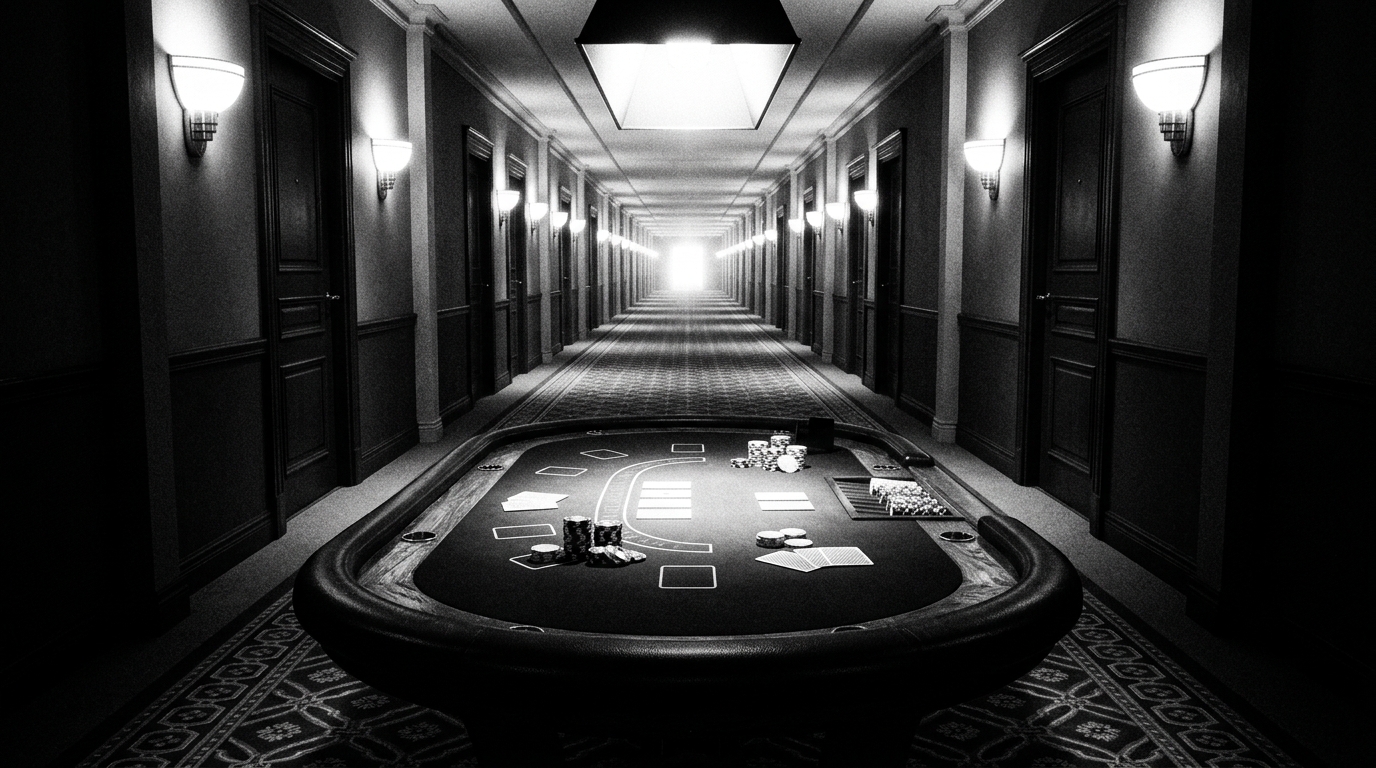
I worked with a casino resort GM years ago who kept two whiteboards in his office. One tracked gaming revenue. The other tracked non-gaming spend per guest night. When the owner visited, the owner always looked at the first board. The GM always pointed to the second one. "That board," he told me once, "is the one that tells me whether we have a business or a slot parlor." He was right then. He's even more right now.
Wynn Macau Ltd just closed Q1 2026 with $989 million in operating revenue... up 14.2% year over year. Sounds like a clean win. But the headline number is doing what headline numbers always do... it's hiding two completely different stories under one roof. Wynn Palace, over on the Cotai Strip, drove $659 million of that total, a 23% jump. Casino revenue at the Palace alone climbed 27%. Meanwhile, the original Wynn Macau property on the peninsula? Flat. $330 million, essentially identical to last year's Q1. And its adjusted EBITDAR dropped 16% because win percentages fell off a cliff... VIP tables went from 1.09% to 0.39%. That's not a bad quarter. That's a structural shift in where the money goes. Two properties, same company, same market, two entirely different trajectories.
Here's what caught my attention. Wynn Palace is running 99.1% occupancy. Not during a holiday week. Not during a special event. Every night. And the company's response isn't to add more gaming floor. It's to spend $900 to $950 million on a 432-suite hotel tower called "The Enclave"... zero new gaming positions. Think about that for a second. A casino company is betting nearly a billion dollars that rooms, not tables, are where the growth is. They're not chasing gaming capacity. They're chasing the premium guest who already wants to be there and can't get a room. That's a fundamentally different bet than the one Macau operators were making five years ago, and it tells you where the smartest money in this space thinks the margin is going.
Look at the debt picture too. Wynn Macau Ltd is carrying just over $5.85 billion in long-term debt. Adding another billion in development spend on top of that is a statement of conviction... or a leap of faith, depending on how you model the next cycle. They've got $608 million in short-term investments and about $96 million in restricted cash. The math works right now because the premium mass segment is printing money. But I've been through enough cycles to know that "right now" is the most dangerous phrase in this business. You stress-test that debt stack against a 25-30% revenue decline (which Macau has experienced more than once in the last decade), and the conversation gets very different very fast.
What's actually interesting here isn't Wynn's earnings. It's the signal. The largest, most sophisticated operators in the casino-resort world are shifting capital from gaming floor to guest room. They're betting that the next dollar of margin comes from a premium suite, not a baccarat table. That's a thesis about the future of hospitality-driven gaming that every resort operator... not just in Macau, but in Vegas, in the UAE (where Wynn is building right now, with delays), in any integrated resort market... should be paying attention to. The era of build-more-tables-and-they-will-come is over. The era of build-better-rooms-and-charge-more is here. I've seen this movie before in non-gaming hotels. The operators who figured it out early captured a decade of margin advantage. The ones who didn't spent years catching up.
If you're running any kind of resort property... gaming or not... this is a signal worth reading carefully. When a company with Wynn's resources looks at 99% occupancy and decides the answer is premium rooms rather than more gaming capacity, they're telling you where they think the margin lives. Ask yourself the same question about your own property: where is your next dollar of profit actually coming from? For most of you, it's not another revenue stream. It's extracting more value from the guests you already have. Run your current occupancy against your ADR ceiling. If you're consistently above 85% and your rate hasn't moved meaningfully in 18 months, you're leaving money on the table every single night. That's the operational lesson here. Don't build more. Charge what you're worth. And if you can't charge more because your product doesn't justify it... that tells you where your capital should go.