The World Cup Demand Spike Isn't a Spike. It's a Reshuffling.
Sojern's data shows flight bookings to World Cup host cities are surging while hotel searches are dropping 16%, which means guests are coming but waiting to book rooms. If you're in a host city banking on sustained demand beyond match days, the numbers have a different story to tell.
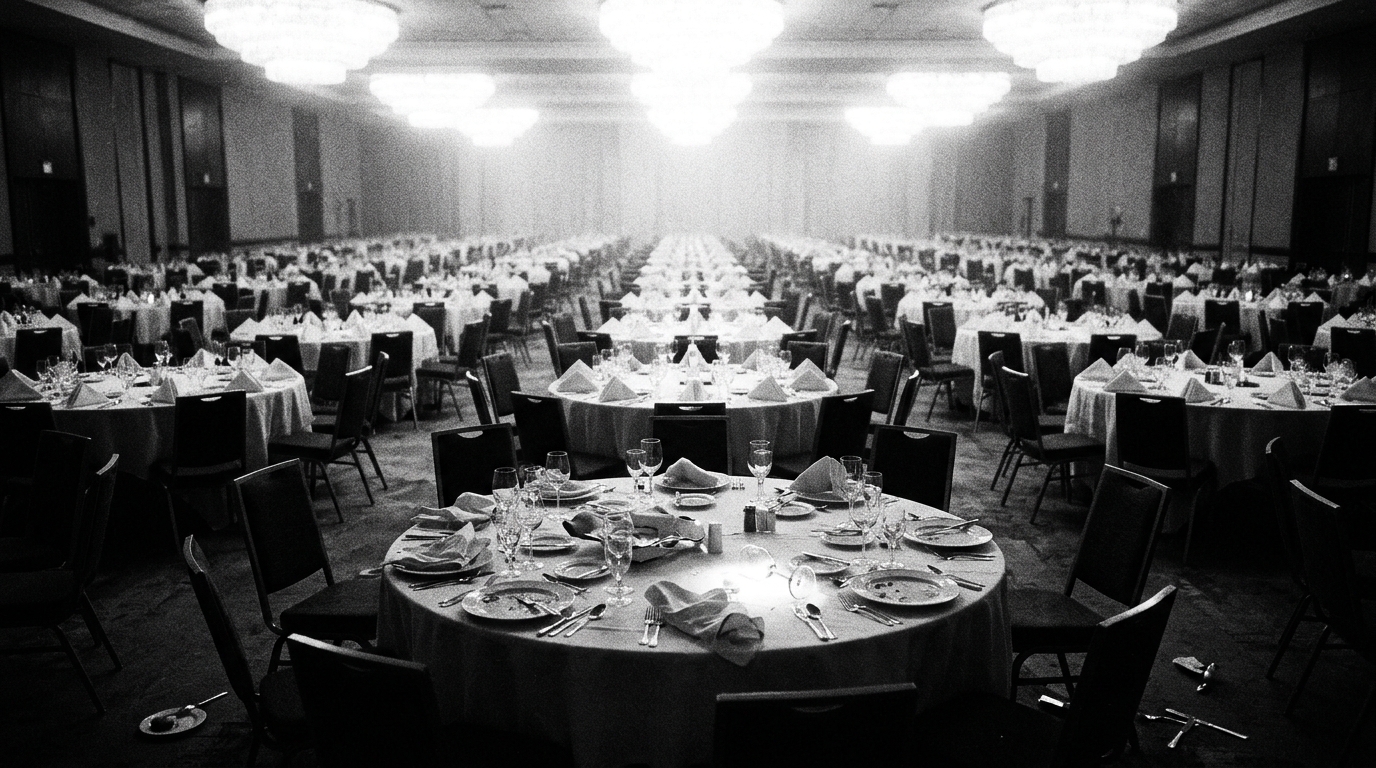
I worked with a GM once during a Super Bowl host rotation who told his ownership group six months out that they were going to crush it. Room nights, F&B, banquets... the whole thing. By the time the game actually happened, he'd sold 80% of his inventory at a premium, felt great about it, and then watched the city go dead for three weeks after the confetti got swept up. He pulled forward demand that would have come anyway, spiked his costs with temporary labor and security, and when he ran the full quarter numbers, his NOI was almost flat. "I made a fortune on Thursday through Sunday," he told me. "And I paid for it Monday through March."
That's what I see happening right now across 16 World Cup host cities, except it's messier because the demand isn't even distributed. Houston is up 10.4% on flight bookings. Dallas up 8.7%. New York up 8.8%. Great. But Seattle is down 20.6%. The Mexican host cities are getting hammered... Mexico City down nearly 25%, Guadalajara about the same. So this isn't a rising tide lifting all boats. It's a wave moving sideways, and if you're not in its direct path, you might actually be worse off than a normal summer because the World Cup is pulling attention (and travelers) toward the cities that have games and away from everywhere else.
Here's the number that should keep you up tonight if you're a revenue manager in a host city: hotel searches are down 16% year-over-year even though flight bookings are up 13%. Let that disconnect sit for a second. People are buying plane tickets and NOT booking hotel rooms. A third of summer bookings haven't been made yet. That's not pent-up demand waiting to explode... that's price sensitivity. Travelers are watching rates, waiting for the market to soften, and they're going to book late at whatever number they can get. If you pushed rate aggressively in anticipation of a demand wave, you might be sitting on unsold inventory two weeks from now wondering what happened. Meanwhile, AHLA's own survey says 80% of hoteliers are reporting bookings below initial forecasts. Eighty percent. The gap between what we all expected and what's actually materializing is significant, and the reasons are structural... FIFA room block cancellations, visa processing delays for international visitors, rising travel costs pushing domestic travelers to wait and watch.
And here's what nobody's talking about: the composition of this demand. Nearly half of World Cup bookings are solo travelers. Solo. That means one guest per room, lower F&B spend per occupied room, and minimal ancillary revenue from the kind of group and family travel that actually drives property-level profitability. You're getting heads in beds, but the revenue per guest is thinner than what a summer family traveler or a corporate group delivers. The UK is the top international source market at 19.4% of bookings, followed by Brazil, Germany, Japan, Colombia. These are real travelers, but they're match-day travelers... they show up, they watch the game, they leave. The occupancy spike looks great on the day. The drop-off the next day is where your GOP takes the hit because your labor model, your food prep, your housekeeping schedule... all of it was built for the spike, not the valley.
This is what I call the National Number Trap. The $10.9 billion revenue figure being thrown around sounds incredible. But that's a national number across three countries, 16 cities, and an entire summer. Your hotel doesn't operate at the national level. Your hotel operates in a three-mile radius where match-day demand is either there or it isn't, where the traveler is either booking or waiting, and where your costs are fixed whether the rooms fill or not. The operators who win this summer aren't the ones chasing the spike. They're the ones who manage their cost structure for the valleys between games and capture every dollar of the peaks without overextending. If you're not in a host city, understand that some of your normal summer demand may have migrated toward one. That's not a crisis, but it's real, and your comp set data over the next 60 days is going to tell you how much.
If you're a GM or revenue manager in a host city, stop waiting for the demand wave to hit and look at what's actually on the books right now versus what you projected. If you're pacing below forecast (and statistically, there's an 80% chance you are), do not panic-cut rate. That late-booking solo traveler is coming regardless... the flight's already purchased. Hold your rate discipline inside 72 hours of match days and flex your shoulder nights. Pull your F&B labor schedule back on non-match days immediately... solo travelers aren't ordering bottles of wine at dinner. If you're NOT in a host city, run your comp set numbers this week and look for displacement. Normal summer leisure may be thinner than usual in your market because those travelers went to Houston or Dallas instead. That's not a trend... it's a six-week disruption. Don't retrain your rate strategy for a temporary dip.