Leisure and Hospitality Lost 61,000 Jobs in June. During the World Cup. Let That Land.
The sector that was supposed to ride a wave of World Cup tourism and summer travel just posted its worst monthly job loss since the pandemic. If you staffed up in May expecting the surge, you're now staring at a labor cost hangover with no revenue to show for it.
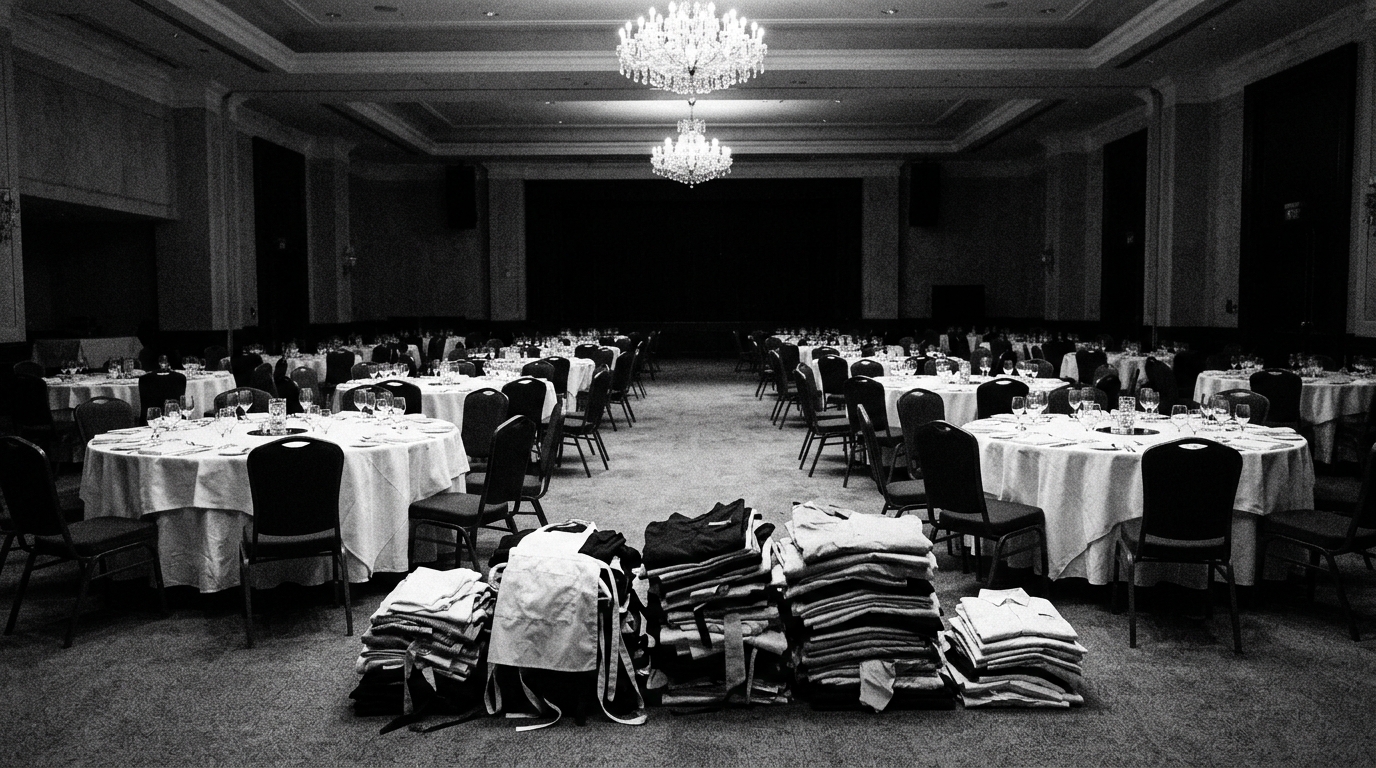
I worked with a GM once who had a rule about event-driven staffing. He called it the "parade theory." People will line up to watch the parade, he'd say, but they won't stay for dinner. He'd been burned enough times... Super Bowls, NCAA tournaments, big-ticket conventions... that he'd learned to staff cautiously for the event and aggressively for the week after. Most of his peers thought he was leaving money on the table. Turns out he was the only one not lighting it on fire.
That GM would have been the smartest person in the room this month. Because the leisure and hospitality sector just shed 61,000 jobs in June 2026... the largest single-month decline since the pandemic... during what was supposed to be the biggest international sporting event on American soil. Goldman Sachs projected the World Cup alone would add 40,000 jobs. The actual result was negative 61,000. That's a 100,000-job miss from one of the most sophisticated forecasting operations on the planet. And they weren't alone. The entire industry leaned into this.
Here's the part that should keep you up tonight. In May, the sector added 70,000 jobs (five times the normal monthly average), as hotels and restaurants staffed up for the expected surge. So properties hired aggressively in May, and then the demand didn't show. The American Hotel & Lodging Association had the warning signs... nearly 80% of hotel bookings across World Cup host markets were running below initial forecasts. Miami was the exception, not the rule. Bank of America data showed a 16.7% year-over-year spending increase from non-local visitors in host cities, which sounds great until you realize that spending didn't translate into the broad-based demand that would justify all those new hires. People came. They spent money. But not where the industry put its labor dollars.
The BLS attributed the decline to "weaker than usual seasonal hiring," which is bureaucratic language for "the summer surge didn't happen the way anyone expected." And look... some of this may get revised. One analyst called the negative number during a World Cup "zero chance" accurate and predicted upward revisions. He might be right. April and May were already revised down by a combined 74,000 jobs, so the data is clearly squishy. But here's what I've learned in 40 years: even if the revisions make the number less ugly, the operational damage is already done. The GM who hired six extra housekeepers and three bartenders in May already ran that payroll. Those checks cleared. The revenue to justify them didn't show up. You don't get a do-over on labor cost because the BLS revised the number three months from now.
This is what I call the National Number Trap playing out in real time, but inverted. Usually the trap is operators looking at strong national numbers and assuming their property is performing along with them. This time it's operators looking at a national event (the World Cup, the 250th anniversary celebrations, peak summer travel) and assuming the rising tide would lift their specific property. It didn't. The spending was concentrated. The hiring was distributed. And the gap between where the demand landed and where the labor was deployed... that's where margin went to die. Average hourly earnings hit $37.64 in June, up 3.5% year over year. You're paying more per hour for staff you may not have needed. The math on that doesn't fix itself.
If you staffed up for a World Cup or summer surge that didn't hit your property, don't wait for July numbers to course-correct. Pull your actual labor cost per occupied room for June right now and compare it to May and to the same month last year. If it spiked without a corresponding occupancy or ADR gain, you have a problem that gets worse every week you ignore it. For GMs at select-service and limited-service properties in or near World Cup host markets... the demand concentration means the full-service convention hotels and downtown luxury properties absorbed most of the event traffic while you absorbed the labor inflation. Go to your DOS and your revenue manager today and ask one question: what does the next 90 days actually look like, stripped of any event-based optimism? Staff to the realistic forecast, not the hopeful one. And if you're running a 200-key property that added headcount in May, get your department heads in a room Monday morning and right-size before you're explaining a Q2 labor variance that didn't need to happen.