Expedia Just Bet Big on a YouTuber With 150 Million Followers. Here's What That Means for Your OTA Bill.
Expedia's new "Exspeedia" campaign with streamer IShowSpeed is designed to capture Gen Z travelers before they ever Google your hotel. If it works, the OTA's grip on your booking funnel just got tighter... and more expensive to escape.
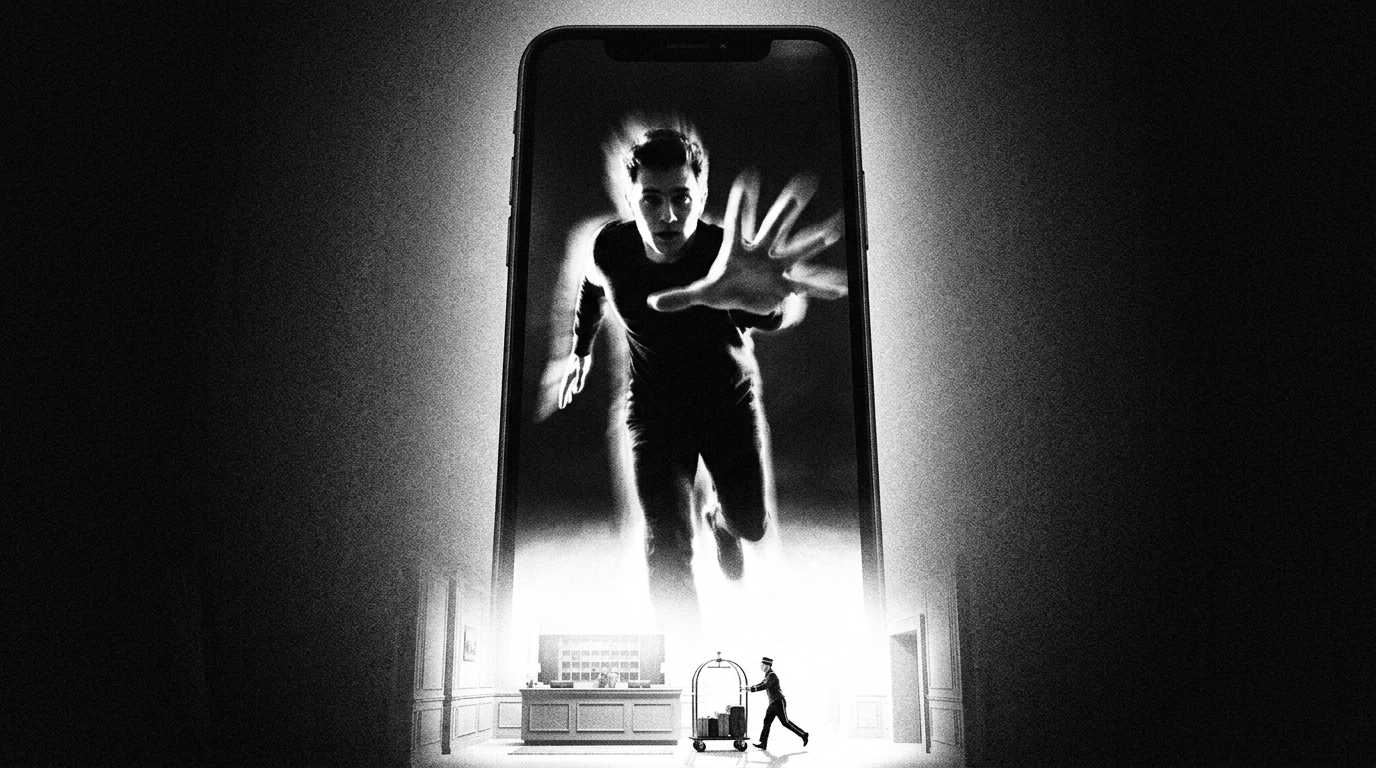
I watched a 22-year-old content creator livestream himself running through the Caribbean for 12 hours two days ago. Millions of people tuned in. And every single one of them was funneled to an Expedia booking page.
That's the play. Expedia partnered with a kid named IShowSpeed... 150 million followers across platforms, audience skewing hard into the 18-to-24 demographic... and built an entire campaign microsite called Exspeedia.com where his fans can watch his travels and book trips without ever leaving the Expedia ecosystem. They're not calling it an influencer deal. They're calling it a "multi-phase global partnership." The creator advertising industry hit $37 billion last year and is projected at $44 billion in 2026. This isn't a one-off stunt. This is Expedia building a new top-of-funnel acquisition channel that bypasses search entirely. And if you're an operator who depends on direct bookings, you should be paying very close attention to what's happening here.
Here's what nobody in our industry is talking about. For 20 years, the OTA battle has been fought on Google. SEO. SEM. Metasearch. The whole game was about who shows up when someone types "hotels in Nashville" into a search bar. Brands spent billions building loyalty programs specifically to get guests to skip that search and book direct. And it worked... sort of. But Gen Z doesn't start with Google. They start with creators. Seventy-four percent of them use social media for travel inspiration. Expedia just figured out how to own that moment. They're not waiting for the guest to search. They're creating the desire AND capturing the booking in the same content experience. That's a fundamentally different distribution architecture than anything we've dealt with before. The old playbook was: inspire on Instagram, lose the guest to Google, fight to win them back on your brand.com. Expedia just collapsed that entire chain into one livestream and a booking button.
I've seen this movie before, by the way. About eight years ago, a management company I was working with spent six months building a direct booking strategy. New website, loyalty incentives, the whole nine yards. Then one OTA partnership deal with a regional tourism board wiped out three months of progress because guests discovered the destination through the OTA's content and never had a reason to look anywhere else. The distribution battle isn't won on your website. It's won wherever the guest first imagines the trip. And right now, for an entire generation, that's happening on someone's livestream.
Now... will this specific campaign move the needle? Maybe. IShowSpeed's audience is young, mostly male, and not exactly the frequent business traveler checking into your Courtyard on a Tuesday. A lot of these viewers are teenagers who aren't booking anything yet. Expedia's own research (released the same week, by the way... not a coincidence) found that travelers still rely on trusted brands for actual booking even when they use AI or social content for inspiration. So there's a gap between watching a guy sprint through St. Kitts and actually pulling out a credit card. But that's today. These viewers are 18, 19, 20 years old. In five years they're your guests. And by then, their booking habits will already be formed. Expedia is planting seeds in soil that won't bloom for your P&L for another three to five years... but when it does, the root system will already be deep. The brands that figure out how to be present in creator-driven discovery (not just traditional loyalty programs and search marketing) are the ones who'll own the next generation of direct bookings. Everyone else will be paying Expedia for the introduction.
Let me be direct. This isn't about one YouTuber. This is about Expedia (and eventually Booking, and eventually everyone else) realizing that the most valuable real estate in travel isn't a Google search result anymore. It's the three seconds before a 22-year-old decides where they want to go. And right now, the OTAs are buying that real estate while most hotel companies are still optimizing their metasearch bids.
If you're a GM or director of sales at any property where OTA mix is already north of 40%, this is the trend that makes it worse... not today, but over the next three to five years. Here's what to do now. First, look at your booking data by age cohort. If you're not tracking it, start. You need to know what percentage of your reservations come from guests under 30 and what channel they're using. Second, stop pretending your property website is a discovery tool. It's not. It's a conversion tool for people who already know you exist. The discovery is happening on platforms you don't control. Third, if you have any budget for content creation (even a small one), start investing in short-form video that shows the actual experience of staying at your property... not the polished brand photography, the real thing. That's the content that competes in the feeds where your future guests are making decisions. This is what I call the Vendor ROI Sentence applied to your own marketing spend... if your digital marketing vendor can't explain how they're reaching guests BEFORE the search bar, they're fighting yesterday's war with your money.