Elizabeth Blau Is Building Restaurants for Wynn's Next Resort. Your F&B Strategy Is Still a Breakfast Buffet.
The woman who turned Las Vegas from a buffet town into a global dining destination is now exporting her playbook to Wynn's new UAE resort and a Four Seasons residential project. If you're still treating food and beverage as a necessary evil on your P&L, the gap between you and the properties winning the guest is about to get a lot wider.
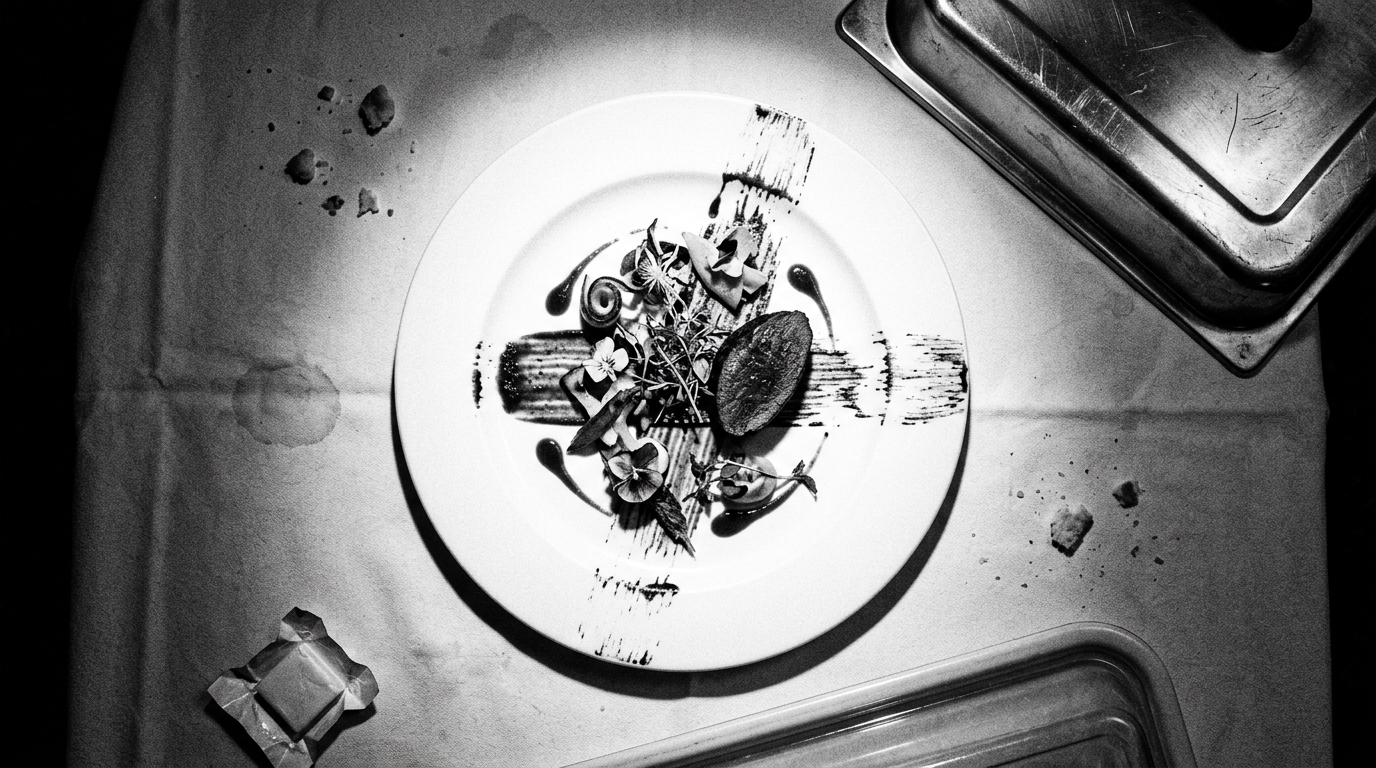
I worked with a GM once who told me his hotel's restaurant was "fine." That was the word he used. Fine. The menu hadn't changed in three years. The chef was adequate. The dining room was clean, well-lit, and completely forgettable. I asked him what percentage of his guests ate there more than once during a multi-night stay. He didn't know. I told him to check. It was 11%. Eleven percent of his captive audience chose to leave the building rather than eat his food a second time. That's not a restaurant. That's a warning sign dressed up with cloth napkins.
Elizabeth Blau has spent the better part of three decades doing the opposite of "fine." She helped transform an entire city's food identity... from $4.99 shrimp cocktails and all-you-can-eat prime rib into a culinary destination that draws guests specifically to eat. Not to gamble and eat. To eat. And now she's taking that playbook international, developing F&B concepts for Wynn Al Marjan Island in the UAE (opening 2027) and launching a restaurant with her husband at a Four Seasons residential project in Henderson. She's also a 2026 James Beard semifinalist for Outstanding Restaurateur. The woman runs six restaurants across multiple markets and still gets nominated for the industry's highest honor. That's not a celebrity chef vanity project. That's operational excellence at scale.
Here's what most hotel operators miss about this story. Blau didn't just pick good chefs and slap their names on restaurants. She understood something fundamental... the dining experience IS the hotel experience for a growing percentage of guests. The room is where they sleep. The restaurant is where they decide if the trip was worth it. Where they take the photo. Where they tell the story when they get home. "We stayed at the Wynn" is a statement. "We had dinner at..." is a memory. Properties that understand this distinction are winning. Properties that treat F&B as a cost center with a 22% food cost target and a line cook shortage are losing guests to the restaurant down the street that figured it out.
The gap is accelerating. When someone like Blau is working with Wynn to curate an entire F&B portfolio for a new international resort... not one restaurant, a portfolio... that's the high end pulling further away from the middle. And it's not just luxury. I've seen select-service properties in secondary markets partner with local operators on a single food concept that changed their entire competitive position. One restaurant. Done right. With a real point of view. It doesn't take a James Beard nominee. It takes an operator who stops treating the kitchen as a problem to be managed and starts treating it as the most powerful differentiator in the building.
The question isn't whether your property can compete with Wynn Las Vegas on dining. Obviously it can't. The question is whether you're applying the same principle at your scale... that the food experience is the emotional anchor of the stay. Because your guests aren't comparing you to Wynn. They're comparing you to the last place they ate that made them feel something. And if that place was a Tuesday night at a local spot that cared about what it put on the plate, you just lost to a restaurant with a third of your overhead.
If you're a GM at a full-service or upscale property and your F&B operation is running on autopilot... same menu, same execution, same "we can't find cooks" excuse for the last two years... this is the week to sit down with your chef and have a real conversation. Not about food cost. About identity. What is your restaurant FOR? Who comes back twice? Pull your POS data and look at repeat dining from in-house guests on multi-night stays. If that number is below 30%, your restaurant isn't a revenue driver... it's a convenience your guests are tolerating. You don't need a celebrity consultant. You need one signature dish, one reason to stay in the building, one thing a guest remembers three months later. That's the starting point. Everything else is operational discipline. This is what I call the Price-to-Promise Moment... every stay has one moment where the guest decides the rate was worth it. For a growing number of travelers, that moment happens at the table, not the front desk. Design for it.