Baltimore's 622-Key Renaissance Sold for $48K Per Key. It Traded at $252K in 2005.
A foreclosure auction that lasted 47 seconds just repriced one of Baltimore's largest hotels at $30 million, with the lender as the only bidder. The per-key math tells a two-decade story of value destruction that every owner carrying post-2019 debt should study carefully.
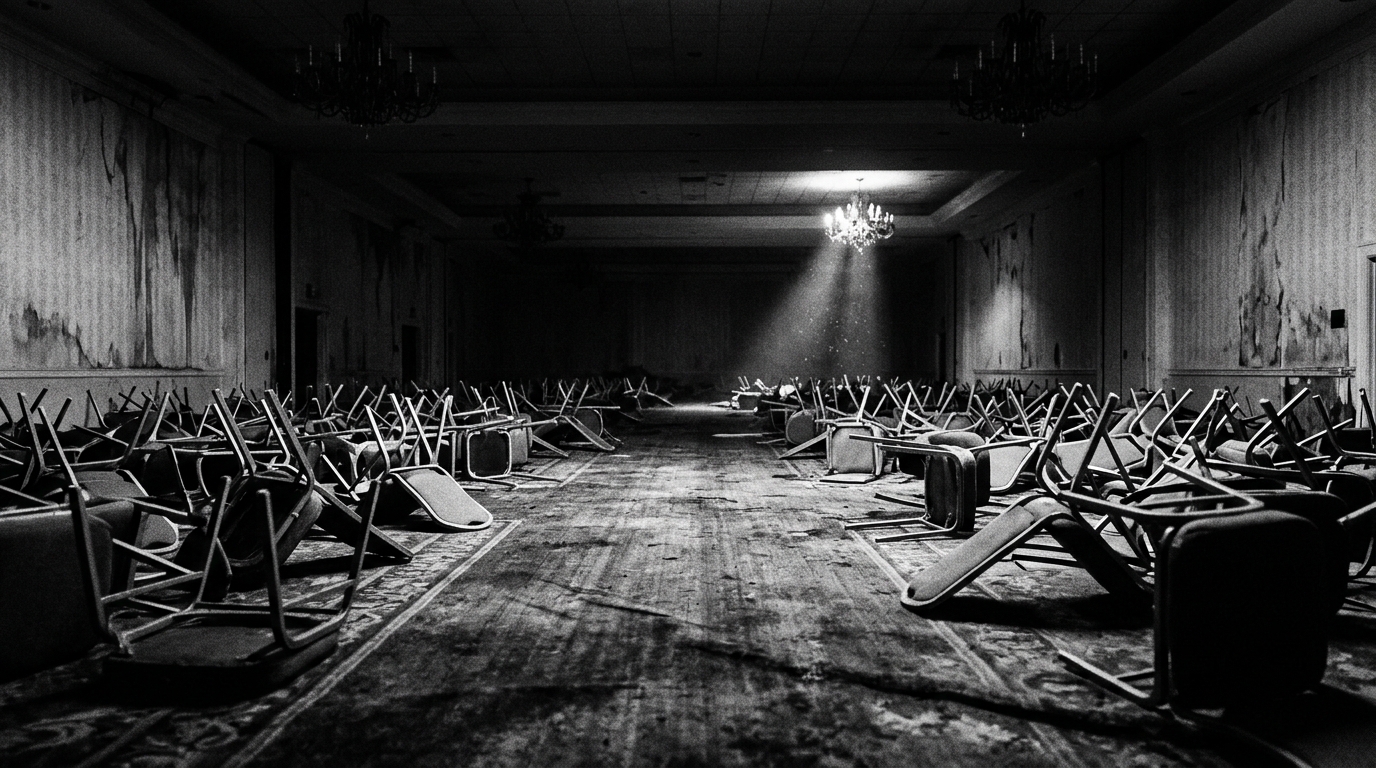
$30 million for 622 keys. That's $48,231 per key. The same property traded for $157 million in 2005 ($252,412 per key) and $80 million in 2020 ($128,617 per key). The lender, a subsidiary of Torchlight Investors, was the sole bidder. No other party showed up. The auction took 47 seconds after 19 minutes of reading terms. That ratio (19 minutes of process, 47 seconds of market) tells you everything about where this asset sits.
Let's decompose the capital stack. The previous owner acquired for $80 million in July 2020 and borrowed $71 million against it. That's 89% loan-to-cost on a full-service hotel purchased during a pandemic. The $30 million recovery means Torchlight is eating roughly $41 million in loss on the loan before you factor in accrued interest, legal fees, and receivership costs. The equity was gone long before the auctioneer opened his mouth. When I was on the asset management side, I saw this structure more than once... aggressive leverage on a distressed basis, betting on a recovery that either comes too slow or doesn't come at all. The 2020 purchase looked smart if you assumed a V-shaped bounce. Baltimore's downtown occupancy dropped another 3% in 2025. That's not a V. That's an L.
The operational story underneath the financial story is worse. Court filings reference broken boilers, malfunctioning elevators, and a linen shortage. A 622-key full-service hotel that can't keep its boilers running has crossed from deferred maintenance into active asset destruction. The property went into receivership in December 2025, with a third-party operator brought in to stabilize. But stabilization on a property this distressed isn't recovery. It's triage. The city-owned 757-key convention hotel down the street required $15.7 million in taxpayer support in 2025 alone and carries roughly $250 million in bondholder debt. Baltimore's Inner Harbor corridor has lost approximately 2,500 rooms from supply in recent years, including a Sheraton closure. Constrained supply should help survivors. The question is whether this property, at this basis, with this deferred CapEx, can be a survivor or just a cheaper patient.
Torchlight now owns a 622-key hotel it didn't want to own. Lenders who take back assets through foreclosure almost never intend to operate long-term. The playbook is stabilize, reposition (or partially demolish), and exit. At $48K per key, the basis is low enough that a renovation-to-repositioning could pencil... but "could pencil" depends entirely on what the PIP looks like, what flag (if any) stays on the building, and whether Baltimore's convention and tourism demand can support a full-service product at this scale. The property opened in 1988. Thirty-eight-year-old bones with documented mechanical failures don't get cheap fixes.
The broader signal here isn't about one hotel. It's about what happens when pandemic-era acquisition leverage meets a market that didn't recover on schedule. An owner borrowed $71 million against $80 million in basis, and a lender is recovering $30 million. That's $50 million in combined value that evaporated in six years. Every owner sitting on a full-service asset with above-market leverage and below-projection performance should be running their own stress test right now. Not next quarter. Now.
Here's what I want every full-service operator to do this week. Pull your trailing 12-month NOI, your current debt service, and your remaining PIP obligations. Run them against a 10% revenue decline scenario. If your debt service coverage ratio drops below 1.1x, you need to be having a conversation with your lender before they have one about you. The owner of this Baltimore hotel borrowed 89 cents on every dollar of purchase price. That's not a capital structure... that's a prayer. If you're managing a property where the ownership group got aggressive on leverage in 2019 or 2020, you need to know your owner's loan maturity date, their covenant triggers, and their refinancing options. Don't wait for the receivership filing to find out. The GM who brings the stress test to the owner unprompted is the GM who still has a job when the dust settles.