6 stories·First covered Feb 21, 2026·Latest Jul 20
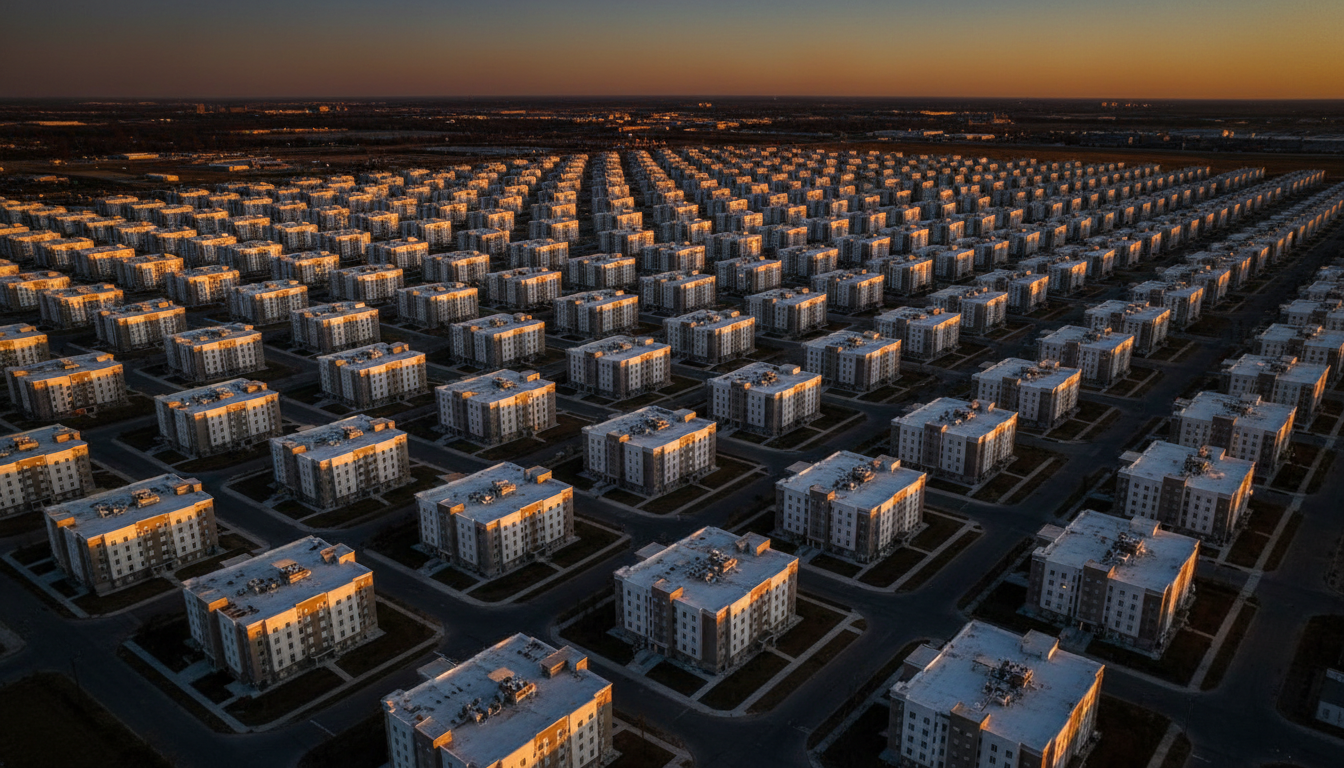
Kansas City is a major hospitality market in the central United States, encompassing the Kansas City metropolitan area spanning Missouri and Kansas. The market serves as a significant convention, sports, and leisure destination with established hotel infrastructure supporting both business and tourism segments.
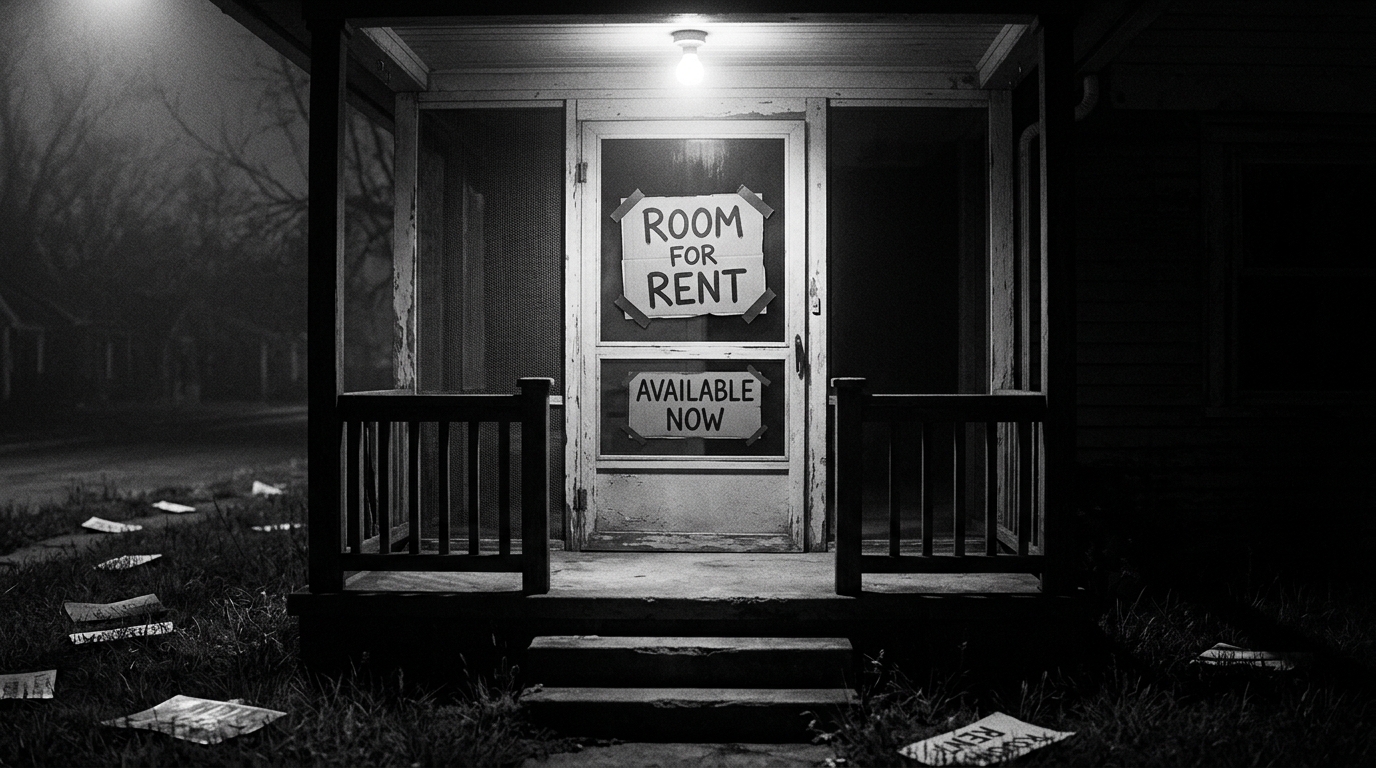
The market has drawn attention in 2026 for its positioning around FIFA World Cup hosting and broader labor challenges affecting the hospitality sector. Industry analysis has highlighted Kansas City as a case study for staffing pressures and operational constraints facing hotel operators during major events, with particular focus on workforce availability and retention challenges that may outpace revenue opportunities from increased demand.
Kansas City's hotel market remains relevant to industry stakeholders monitoring how mid-tier metropolitan markets manage capacity, labor dynamics, and event-driven demand cycles during high-profile sporting events.
Three hotel associations are asking the U.S., Mexico, and Canada to extend the trade agreement that keeps cross-border travel affordable and supply chains intact. The request makes perfect sense, which is exactly why it probably won't happen on anyone's preferred timeline.
Host cities are posting eye-popping RevPAR gains during the World Cup, but the occupancy numbers underneath tell a very different story about who's actually winning and who just displaced their regular business with soccer fans paying double.
Kansas City's Airbnb supply surged 43% for the World Cup, but the host who made headlines being "nonstop busy" is the exception that proves a much more uncomfortable rule about what happens when everyone tries to be a hotel at the same time.
📡
Get the Briefing Every Morning at 6AM
Join hotel operators, owners, and investors who start their day with InnBrief.
Free forever. Unsubscribe anytime. No spam — just signal.
AHLA's new World Cup hotel outlook shows most host cities tracking well below projections, with Kansas City and Boston looking worst. If you built your summer revenue plan around FIFA's promises, it's time to rebuild it around what's actually happening.
Everyone's celebrating double-digit RevPAR projections for the World Cup. Nobody's talking about what happens to your team when 500,000 fans show up at once.