80% of World Cup Host City Hotels Are Booking Below Forecast. The Summer Isn't Coming to Save You.
AHLA's new World Cup hotel outlook shows most host cities tracking well below projections, with Kansas City and Boston looking worst. If you built your summer revenue plan around FIFA's promises, it's time to rebuild it around what's actually happening.
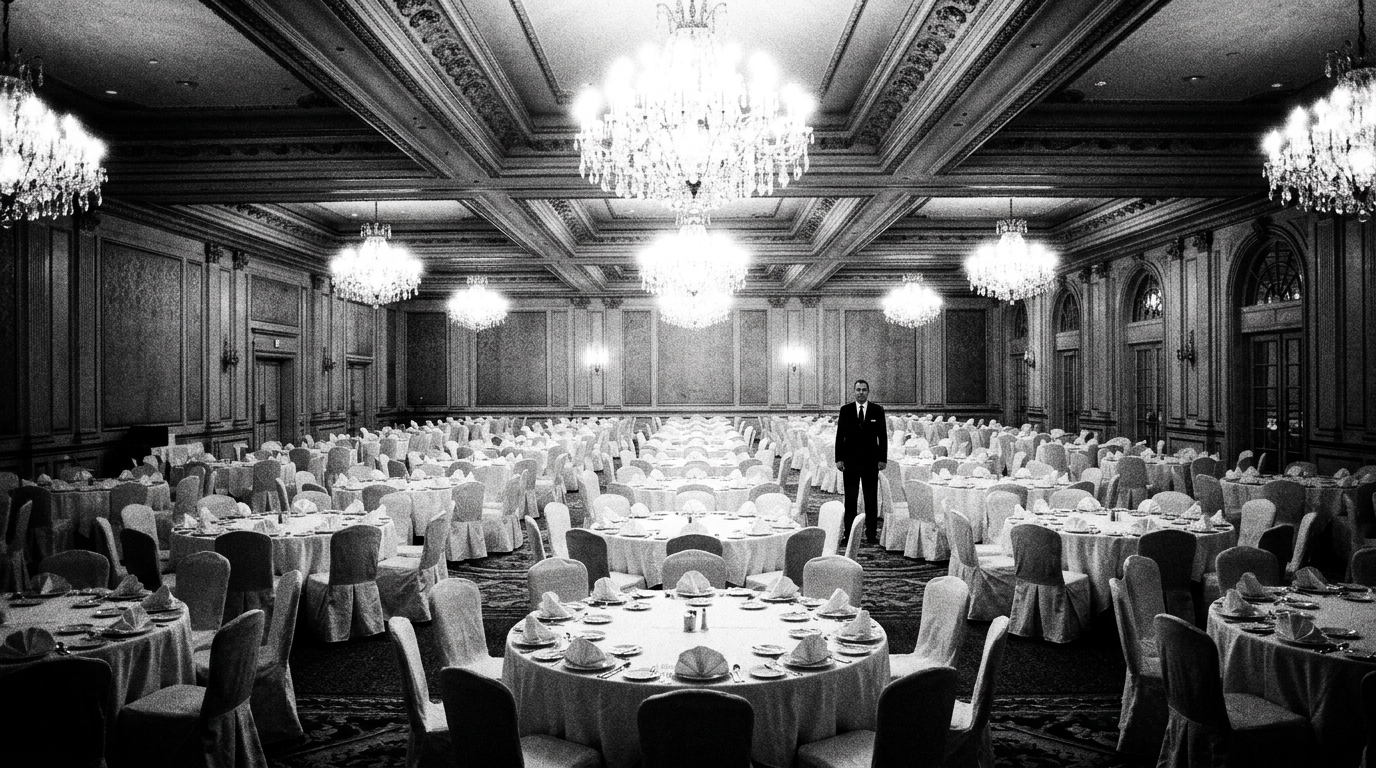
I worked with a GM once who spent six months getting ready for a major sporting event. Staffed up. Pushed rate. Turned away a corporate block for the week because he was sure the event demand would blow it away. The event came. Occupancy hit maybe 70%. He spent the rest of the quarter trying to claw back the business he'd turned away. His exact words to me afterward: "I planned for the brochure. I should have planned for the building."
That's what's happening right now in 11 U.S. cities that were told the World Cup was going to be the biggest demand event of the decade.
AHLA just dropped its FIFA World Cup 2026 Hotel Outlook, and the numbers are sobering. Eighty percent of surveyed hoteliers in host cities say bookings are tracking below their original forecasts. Not slightly below. Meaningfully below. Kansas City is reporting 85-90% of hotels under expectations. Boston, Philly, San Francisco, Seattle... nearly 80% below, with some operators calling the tournament a "non-event." The bright spots are Miami (about 55% ahead of forecast) and Atlanta (roughly 50% on track or better), but those markets were going to have a strong summer anyway. The World Cup isn't making their summer. It's riding along with it.
Here's what happened. FIFA overcommitted room blocks. Roughly half the hoteliers in the survey reported material block releases... which means FIFA reserved rooms, the demand didn't show up, and those rooms got dumped back into inventory too late for the hotel to resell them at full value. Meanwhile, 65-70% of hoteliers cite visa barriers and geopolitical friction as the reason international demand hasn't materialized. FIFA projected a 50/50 split between domestic and international visitors. That was always optimistic. Right now, domestic travelers are significantly outpacing internationals, and domestic fans don't book the same way. They drive. They stay with family. They use Airbnb. They don't fill 500-key convention hotels at $400 a night.
And about those rates... some markets have already pushed rates up 25-75% year over year. That's the rate recovery trap in full effect, except in reverse. Hotels priced for a demand wave that isn't cresting. In a normal compression event, high rates work because the demand justifies them. Here, you've got inflated rates sitting on top of soft demand, which is the worst combination in revenue management. You're not going to fill at $400 what should have been priced at $250, and every night that room sits empty at $400 is a night you'll never get back. The calendar doesn't care about your forecast.
The deeper problem isn't even the World Cup itself. It's what operators did based on the projection. If you hired ahead of it, you're carrying labor cost into a demand window that may not justify it. If you blocked inventory and turned away group business, that revenue is gone. If you committed to F&B enhancements or temporary staffing premiums based on FIFA's $30.5 billion economic output projection... well, Oxford Economics is now calling this a "temporary, sector-specific boost with minimal lasting economic impact." Which is economist-speak for "don't bet the house." FIFA's projections were a brochure. Your P&L is the building. And the building is what you have to live in after July.
If you're a GM or revenue manager in a host city, stop waiting for the demand to show up and start managing what you actually have. First... if you're still holding inflated rates on open dates inside the tournament window, run a realistic pickup pace analysis today against your pre-World Cup baseline, not against the forecast you built six months ago. This is what I call the Rate Recovery Trap, except you're living the front end of it... you push rate beyond what the market will absorb, rooms go empty, and then you're cutting rate in a panic two weeks before the event. Cut strategically now while you still have time to capture something. Second, if you turned away group business for the tournament period, get on the phone with those contacts this week. Some of that business is still looking for a home. Third... and this is for every GM in every host city... get ahead of this with your ownership. Don't wait for them to read the headline. Walk in with your revised forecast, your adjusted staffing plan, and your strategy for the shoulder weeks around the tournament. The operator who brings the plan before the owner brings the question is the one who keeps the trust.