Today · Apr 22, 2026
Booking.com Got Breached. Your Front Desk Is the Actual Attack Surface.

Booking.com Got Breached. Your Front Desk Is the Actual Attack Surface.

Criminals aren't hacking Booking.com's servers directly... they're phishing your hotel staff, stealing booking data, and then scamming your guests with messages that look exactly like they came from your property. The breach notification went out April 13, but the real question is what your night auditor would do if they got a suspicious link at 2 AM.

Available Analysis

So here's what actually happened. Booking.com started notifying customers on April 13 that someone got unauthorized access to booking data... names, emails, phone numbers, addresses, reservation details, property names, travel dates. Everything except (they claim) financial information. The attack vector? It wasn't some sophisticated zero-day exploit against Booking.com's infrastructure. It was phishing. Specifically, a technique called "ClickFix" that tricks hotel employees... your employees... into installing malware on property-level systems. The criminals compromise the hotel's Booking.com extranet access, harvest the reservation data, and then impersonate the hotel to scam guests into fake payments. Booking.com's own CISO flagged a 500-900% increase in AI-driven travel scams over the prior 18 months. That was back in June 2024. Two years later, here we are.

Let me be blunt about what this means. The hotel is the entry point. Not Booking.com's servers. Not some shadowy hacker collective targeting cloud infrastructure. Your front desk agent. Your reservations manager. The person who opens an email that looks like it came from Booking.com support asking them to "verify their account" or "update their login." I consulted with a hotel group last year that had three properties compromised through almost exactly this method... a staff member clicked a link in what looked like a routine extranet notification, malware installed silently, and within 48 hours the criminals had every active reservation in the system. The GM didn't find out until a guest called to ask why "the hotel" was requesting a wire transfer via WhatsApp.

The financial damage is real. UK fraud authorities logged 532 reports of Booking.com-related scams between June 2023 and September 2024... £370,000 in losses. Australian customers lost over $31 million in 2025 alone. And those are just the ones that got reported. Booking.com says financial data wasn't accessed from their systems, but that's a carefully worded statement. They don't need your credit card number if they have your reservation details. When a guest gets a message that says "Hi [Name], your booking at [Hotel Name] for [exact dates] requires a payment update," with every detail correct... most people comply. The contextual data IS the weapon. The booking details ARE the financial exploit, just with an extra step.

Look, the hospitality sector saw a 30% year-over-year increase in cyberattacks just in March 2026. This isn't a Booking.com problem. This is a structural vulnerability in how hotels operate. You've got high turnover staff (73% annually in hospitality), you've got shared workstations, you've got extranet credentials that probably haven't been rotated since the last GM left, and you've got a night shift with one person in the building who may or may not know what a phishing email looks like. The attack surface isn't the technology. It's the operational reality. Every vendor platform your property connects to... Booking.com, Expedia, your PMS, your payment processor... is only as secure as the person clicking links on that shared front desk computer at midnight.

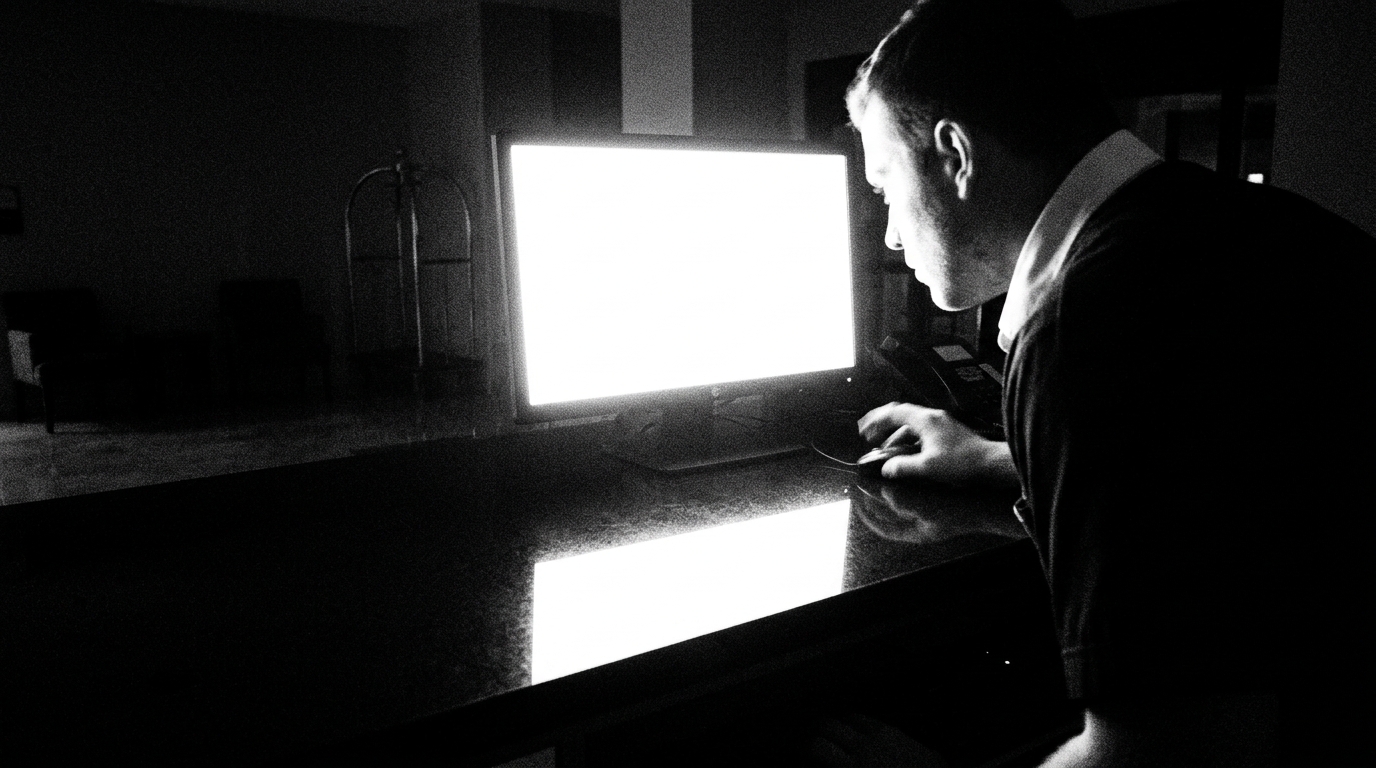
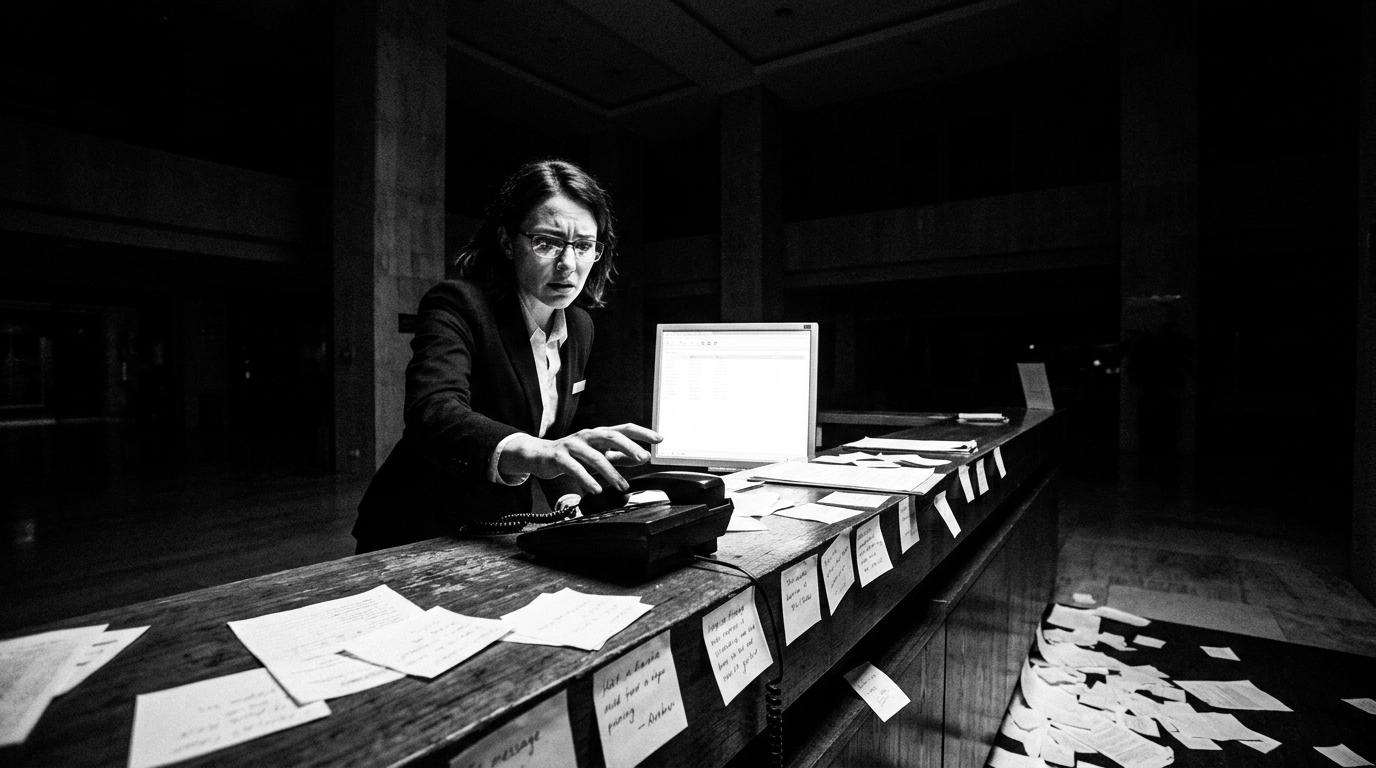
Here's the Dale Test question (and if you've been reading my stuff, you know what that means): when that phishing email arrives at 2 AM, and it looks legitimate, and it asks your night auditor to click a link to "resolve a booking discrepancy"... what happens? If the answer is "they'd probably click it," you don't have a cybersecurity strategy. You have a countdown timer. The fix isn't a $50K security platform. It's a 30-minute training session, repeated quarterly, with specific examples of what these phishing attempts look like. It's two-factor authentication on every extranet login (Booking.com supports it... most properties don't enable it). It's a policy that says nobody on the overnight shift clicks any link from any OTA without calling a manager first. Simple. Unglamorous. Effective. The kind of thing that doesn't make it into a vendor's slide deck because you can't charge $3,000 a month for common sense.

Operator's Take

Here's what to do this week. First, enable two-factor authentication on every OTA extranet account at your property... Booking.com, Expedia, all of them. Do it Monday. It takes ten minutes. Second, change every extranet password. If the same credentials have been active for more than 90 days, assume they're compromised. Third, run a 30-minute phishing awareness session with your front desk and reservations team. Show them actual screenshots of these "ClickFix" scam emails (they're all over cybersecurity blogs right now). Fourth... and this is the one people forget... brief your guest-facing staff on what to say when a guest calls asking about a suspicious payment request "from your hotel." Because those calls are coming. Your staff needs a script, not a deer-in-headlights moment. This is what I call the Invisible P&L... the costs that never show up on your financial statements but can destroy guest trust faster than a bad TripAdvisor review. A single scammed guest who blames your property is a reputation hit no marketing budget can fix. Get ahead of it.
— Mike Storm, Founder & Editor
Read full analysis → ← Show less
Source: Google News: Booking Holdings
Booking.com Got Breached. Your Front Desk Is About to Deal With the Fallout.

Booking.com Got Breached. Your Front Desk Is About to Deal With the Fallout.

Hackers didn't steal credit cards from Booking.com... they stole something more useful: real guest names, real reservation details, and real property information. Now your guests are getting scam messages that look exactly like legitimate booking confirmations, and your front desk team is the last line of defense.

Available Analysis

So here's what actually happened. Booking.com confirmed unauthorized access to customer booking data around April 13. Names, emails, phone numbers, addresses, specific reservation details... dates, property names, locations. Everything a scammer needs to craft a message so convincing that even a savvy traveler would hesitate before dismissing it. Booking says no financial data was compromised from their systems. That's technically accurate and practically irrelevant, because the scammers don't need your credit card number from Booking. They just need enough real information to trick you into handing it over yourself.

This is what the security world calls a "reservation hijack," and it's not new. The UK's Action Fraud documented 532 of these between June 2023 and September 2024, totaling roughly £370,000 in losses. What IS new is the scale and sophistication. The attackers are getting in through hotel partner accounts... phishing the properties themselves, compromising their Booking.com extranet credentials, and then using the platform's own messaging system to contact guests with legitimate-looking payment requests. AI is making these messages better, faster, more personalized. A guest gets a message through Booking's actual app referencing their actual reservation at your actual hotel asking them to "verify" payment. Most people would click. I might click. And that's the problem.

Look, I've evaluated dozens of vendor security architectures over the years. The pattern here is one I've seen over and over again: the platform secures its own perimeter, declares victory, and leaves the weakest node in the chain... the property... completely exposed. Booking invested heavily in AI fraud detection on their side. Great. But the attack vector isn't Booking's infrastructure. It's the hotel's. It's the GM who uses the same password for the extranet and their personal email. It's the front desk agent who clicks a phishing link at 2 AM because it looked like it came from Booking support. It's the property that has no two-factor authentication on their OTA accounts because nobody ever set it up and nobody ever asked. The platform treats security as its problem to solve centrally. But the breach happens locally, at the property, on the shift with the least technical person in the building.

And here's what's going to hit operators hardest... it's not the breach itself. It's the phone calls. Guests who got scam messages are going to call your front desk. They're going to be angry, scared, confused. Your team needs to know what happened, what to say, and what NOT to say (do not confirm or deny specific reservation details over the phone to someone you can't verify... that's how the second wave of social engineering works). This is a training problem that landed on your doorstep this week whether you were ready for it or not. Booking reset reservation PINs for affected bookings. That's their fix. Your fix is making sure every person who answers your phone or stands behind your desk knows what a reservation hijack looks like and how to handle a guest who just got hit by one.

One more thing. Booking got fined €475,000 back in 2018 for reporting a breach 22 days late. They've been through this before. The question nobody's asking is whether the hotel partners whose accounts were compromised have any notification obligations of their own... and whether those partners even know their accounts were used as the entry point. If you're a property using Booking's extranet, check your account activity. Today. Not next week. Today. Because the attackers didn't break into Booking's vault. They walked in through your front door.

Operator's Take

Here's what to do this week. First... every OTA extranet account at your property gets two-factor authentication turned on by Friday. Every. Single. One. If you don't know how, call your Booking rep and make them walk you through it. Second... brief your front desk team, especially your night shift, on what reservation hijack scams look like and how to handle guest calls about suspicious messages. The script is simple: "We will never ask for payment information by text or messaging app. If you received a message like that, do not click any links and contact us directly at this number." Third... check your Booking extranet login history right now. If you see logins from locations or devices you don't recognize, change credentials immediately and report it. This isn't about Booking's security problem. It's about yours. The platform got breached, but your property is the one taking the guest calls and absorbing the trust damage. Get ahead of it before your first angry guest walks up to the desk with a screenshot of a scam message that has your hotel's name on it.

— Mike Storm, Founder & Editor
Read full analysis → ← Show less
Source: Google News: Booking Holdings
End of Stories