IHG Has Spent $3.9 Billion Buying Back Its Own Stock Since 2022. That's Capital That Didn't Build Hotels.
IHG just crossed $240 million into a $950 million buyback program, part of nearly $4 billion in repurchases over four years. The per-share math looks clean until you ask what an asset-light franchisor is optimizing for when it's spending more on financial engineering than system growth.
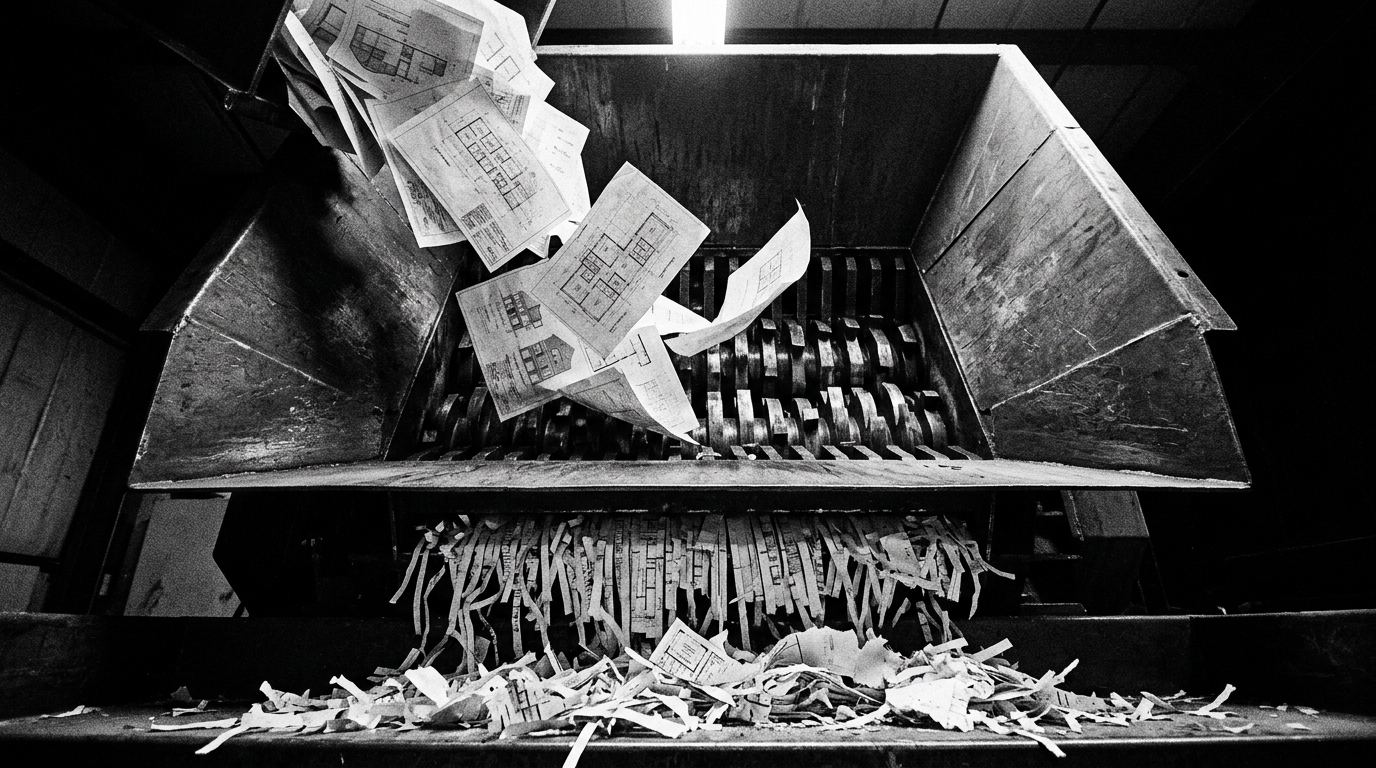
$3.9 billion. That's the cumulative share repurchase spend IHG has committed since 2022 ($500M, $750M, $800M, $900M, and now $950M). The June 16 filing is routine... 20,000 shares at an average of $168.38 through Goldman Sachs, program 25% complete at $240 million spent. None of that is news. The trajectory is.
IHG is trading near 34x earnings. Citi just downgraded to Sell. The analyst consensus target sits at $138, roughly 15% below the current price. And the company is buying stock at these levels because the buyback was authorized when the math looked different. This is the structural problem with pre-committed repurchase programs... they don't adjust for whether the stock is cheap. They execute because the board said execute. I've audited capital return programs where the company repurchased more aggressively in the quarter the stock was most overvalued. Nobody revisits the authorization mid-program. The machine runs.
Let's decompose what $3.9 billion buys. IHG opened 14,900 rooms in Q1 2026. At a blended development cost of $150K-$200K per key (varies by segment and geography, but directionally correct for their mix), $3.9 billion funds roughly 20,000 to 26,000 new rooms. That's nearly two full years of openings. Now, IHG is asset-light... they don't build hotels, owners do. The capital isn't fungible. But the signal matters. When a franchisor tells owners "invest in our system" while simultaneously telling shareholders "we'd rather buy back stock than deploy capital into growth," the owner should hear both messages. One is in the franchise pitch. The other is in the 10-K.
The per-share math does work (for now). Reducing share count by 1.1% while growing system-wide RevPAR 4.4% creates EPS growth that looks organic but is partially manufactured. Strip out the buyback effect and IHG's earnings growth narrative gets quieter. That's not fraud. That's financial engineering doing what financial engineering does... making the top-line story more attractive than the underlying growth rate. The question is sustainability. A 10% annual dividend increase plus $950M in buybacks plus maintaining investment-grade credit requires the fee stream to keep compounding. If RevPAR softens (and at some point it will), the buyback either shrinks or the balance sheet absorbs the strain. Neither outcome is in the press release.
For the owner paying franchise fees into IHG's system, the calculation is straightforward. Your fees fund their operations, their growth investments, and increasingly, their share repurchases. IHG projects returning over $1.2 billion to shareholders in 2026. That capital comes from somewhere. It comes from the fee stream you contribute to. Whether that fee stream delivers proportional value back to your property... in loyalty contribution, in reservation delivery, in brand premium... is the only question that matters. And it's the one the buyback announcement will never answer.
Look... this isn't an IHG problem. It's an industry structure problem. Hilton, Marriott, Wyndham... every asset-light franchisor is running the same playbook. Buying back stock instead of investing in system-level improvements that would actually move your RevPAR index. If you're a franchised owner with any major brand, pull your actual loyalty contribution percentage for the last three years and put it next to the brand's total cost to you as a percentage of revenue. If the gap is widening... and at a lot of properties, it is... that's your leverage in the next franchise renewal conversation. Don't wait for the conversation to come to you. Walk in with the numbers. The brands are very good at telling you what they're worth. Your job is to verify it.