Online Casinos Hit $8.4 Billion. Your Casino Hotel's Floor Traffic Isn't Coming Back.
iGaming revenue jumped 29% last year while your guests played from their hotel rooms instead of walking to the floor. If you're still building F&B strategy around gaming-driven foot traffic, you're building on a foundation that's eroding in real time.
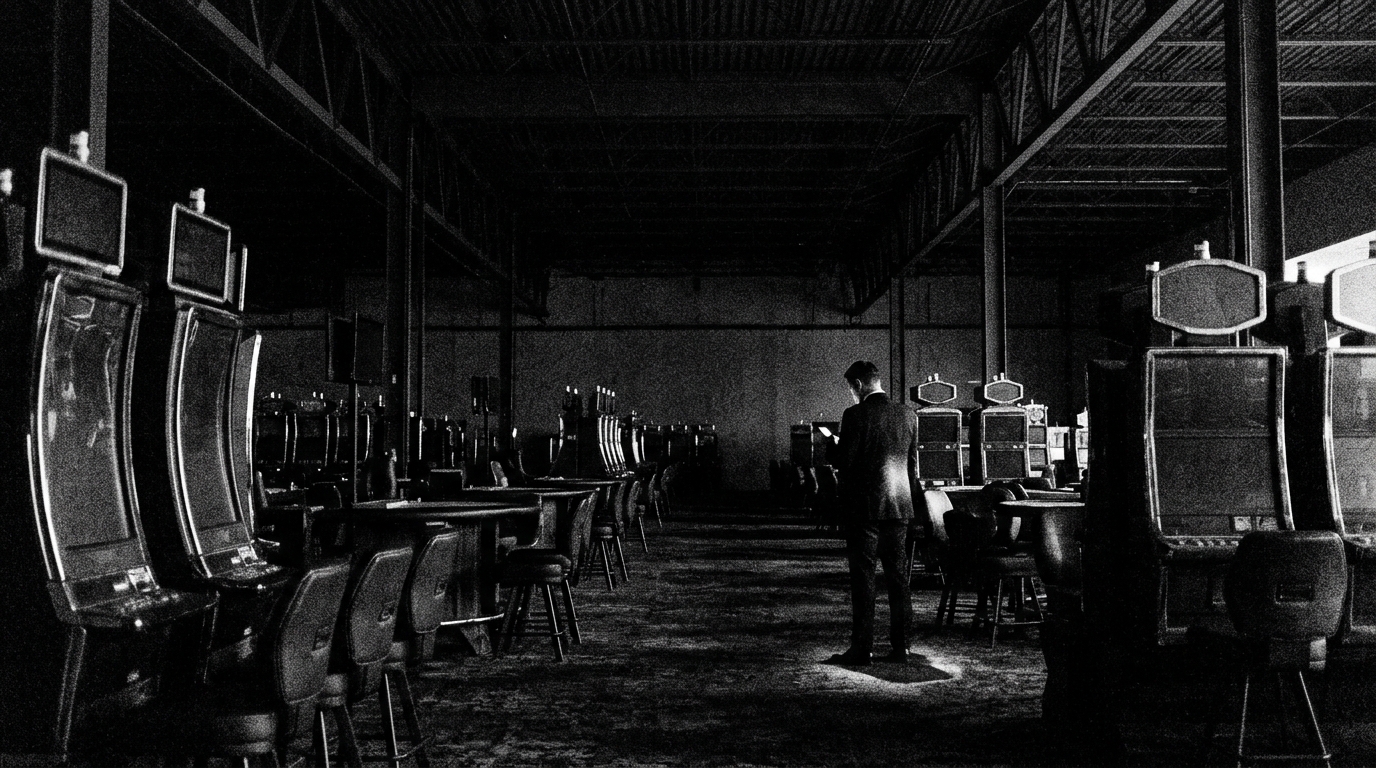
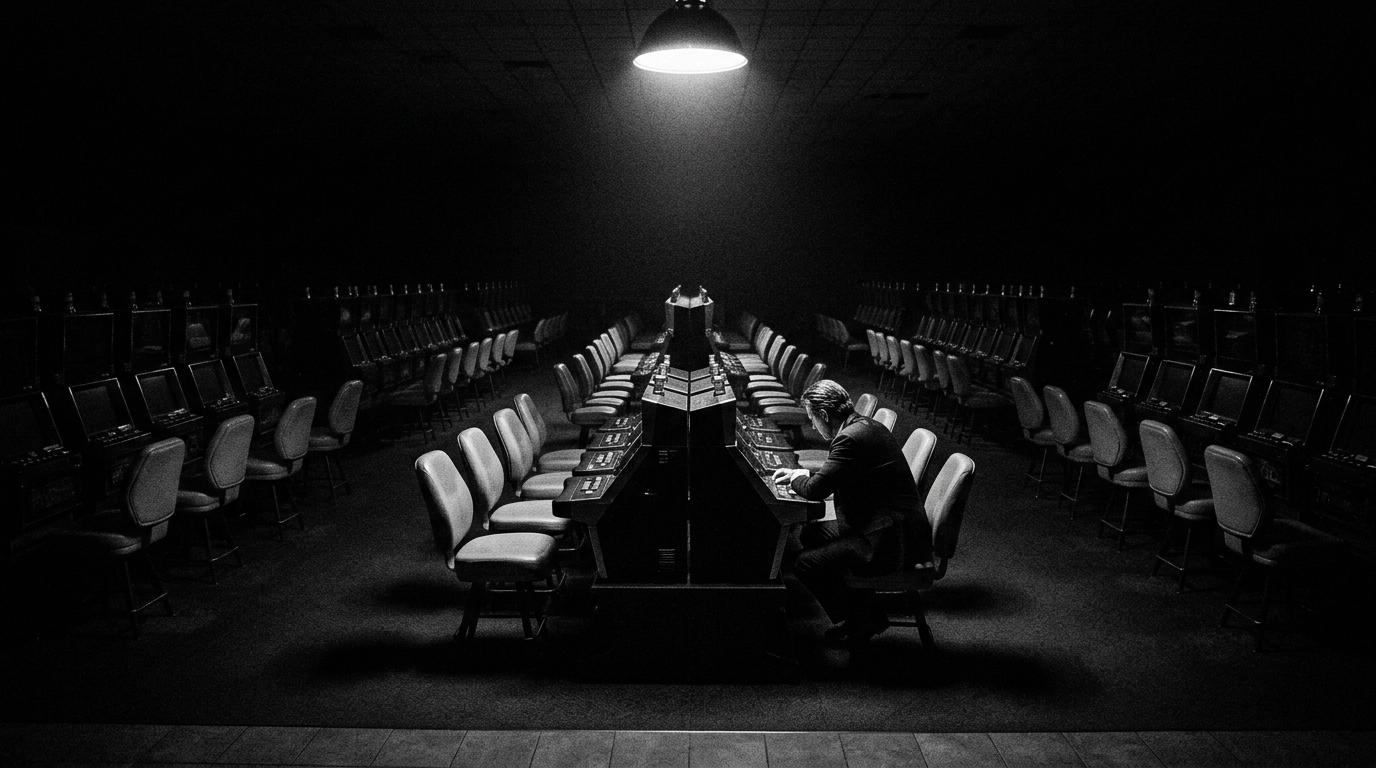
I watched a casino hotel GM lose an argument with his own lobby last year. Beautiful property. 400-plus keys. The slots were humming, the table games were staffed, the cocktail waitresses were making their rounds. And occupancy on a Saturday night was strong. But the floor count was down 18% from 2019. The food and beverage outlets that depended on gaming traffic to fill seats at 10 PM were running at 60% covers. The players club lounge... the one they'd just renovated for $1.2 million... had eleven people in it.
He pulled up his phone and showed me what his guests were doing. They were in their rooms, on their phones, playing online blackjack on platforms run by the same parent companies whose names were on his building. His own brand's app was cannibalizing his own floor. He laughed about it, but it wasn't funny. His F&B revenue was tied to assumptions about foot traffic patterns that no longer existed.
Here's the number that should be keeping every casino hotel operator up at night. U.S. iGaming revenue hit $8.41 billion in 2024... a 28.7% jump from the prior year. And that's in only seven states with legal online casino play. The overall commercial gaming industry posted $72 billion in revenue in 2024, which sounds great until you realize that growth is being driven increasingly by digital, not physical. The floor isn't dying. But the floor's share of the pie is shrinking, and every dollar that moves to mobile is a dollar that doesn't walk past your restaurant, your bar, or your retail. The ecosystem that casino hotels built... where gaming traffic funds the entire property... is fragmenting. The guest is still in your building. They're just not on your floor.
What makes this particularly brutal is the omnichannel strategy the big operators are pushing. Caesars, MGM, the major players... they're integrating online and physical loyalty programs because it makes perfect strategic sense at the corporate level. Play online, earn points, redeem at the resort. Sounds brilliant. But at property level, it means your guest earns their tier status from their couch in New Jersey and shows up at your property expecting the full VIP treatment without ever having dropped a chip on your felt. They're a high-value loyalty member who generates zero gaming revenue at your location. Your comps budget goes up. Your gaming revenue from that guest goes to zero. The brand wins. The property's P&L takes the hit.
And the legislative pipeline makes this worse, not better. Virginia just approved online casino legalization with a potential 2027 launch. Other states are moving in the same direction. Every new state that opens iGaming is another market where your physical casino competes with your guest's phone. I've seen this movie before in other contexts... the moment the guest can get the core product without leaving their room, everything built around the assumption that they'll leave their room starts to break. The minibar died when delivery apps arrived. The business center died when laptops got WiFi. The casino floor won't die. But the assumption that 100% of your gaming guest's spend happens on your property? That's already dead. The operators who recognize this and rebuild their F&B and entertainment strategy around destination experiences rather than gaming-dependent foot traffic are going to be fine. The ones still budgeting like it's 2017 are going to keep staring at empty restaurant seats wondering where everybody went.
If you're running a casino hotel property, pull your floor traffic data from 2019 and compare it to the last 90 days. Not gaming revenue... actual body count on the floor by hour. That's the number that tells you whether your F&B and entertainment assumptions still hold. If you're seeing the decline I think you're seeing, it's time to decouple your food and beverage strategy from gaming-driven foot traffic. Your restaurants and bars need to be destinations on their own, not afterthoughts that depend on people wandering past on their way to a slot machine. Talk to your revenue team about what the loyalty program integration is actually doing to your property-level economics... how many high-tier members are generating zero on-site gaming revenue? That's a cost center disguised as a brand benefit, and you need to quantify it before your next ownership review. This is what I call the Flow-Through Truth Test... the brand's total gaming revenue looks healthy, but if the dollars are flowing through phones instead of your floor, your property's GOP tells a very different story than corporate's press release.