Your HVAC System Is About to Become Your Guest Experience Strategy This Weekend
Clark County just issued a smoke advisory for the 4th of July weekend, and if you're running a hotel in Las Vegas with outdoor pools, rooftop bars, or balcony views, your air handling system is now the most important piece of technology in your building.
So here's something most hotel tech conversations never touch: what happens when the air outside your building becomes a guest complaint?
Clark County's Division of Air Quality put out a smoke advisory running July 4 through July 6. The cause is what you'd expect... thousands of fireworks across the valley, plus two wildfires still burning in Lincoln County about 140 miles northeast. One of those fires, the Grapevine, is over 26,000 acres and only 41% contained. The other is mostly handled. But the fireworks smoke alone is enough to degrade air quality across the entire Las Vegas Valley for the better part of three days. For anyone with respiratory issues, the recommendation is simple: stay inside.
Now think about what "stay inside" means for a hotel. Your pool deck, your outdoor dining, your rooftop bar, your cabana experience... all of it becomes a liability instead of an amenity. And here's the technology angle nobody's talking about: your HVAC system was probably not designed to be your primary guest experience tool. Most hotel air handling units are sized for climate control, not air filtration during sustained poor air quality events. I consulted with a resort property last summer that had wildfire smoke roll in for four days. Their fresh air intake was pulling particulate-laden air directly into the lobby. Guests were complaining about the smell indoors. The engineering team's fix? They taped furnace filters over the intake vents. Literal tape. It worked (kind of), but that's not a system... that's a prayer.
The real question for any Las Vegas property this weekend is whether your building management system can actually switch to recirculation mode without turning your corridors into a stuffy, stale mess. Most older properties on the Strip and downtown have BMS controls that technically allow this, but the interfaces are ancient, the staff who know how to use them are on a holiday skeleton crew, and nobody's tested the switchover since the last time someone thought about it (which was probably never). This is a Dale Test problem. When one engineer is on shift at 2 AM on July 4th and guests are calling about smoke smell in their rooms, can that person actually adjust the system? Or does it require a controls contractor who isn't answering the phone because it's a holiday?
The properties that handle this well will be the ones that already have indoor air quality monitors feeding data to their BMS... and there are maybe a dozen of those in the entire valley. Everyone else is going to find out about the smoke when the front desk phone starts ringing. The technology gap here isn't sexy. It's not AI. It's not a guest-facing app. It's whether your building can detect that the outside air is bad and respond without a human noticing first. That's infrastructure. That's the unsexy stuff that actually matters when the air quality index spikes and you've got 400 rooms full of people who paid $350 a night to have a good time.
Look, this advisory happens almost every year in Vegas around the 4th. It's predictable. And yet I'd bet that fewer than 10% of hotel engineering teams in Clark County have a written protocol for poor air quality events. No checklist for switching HVAC modes. No pre-positioned portable HEPA units for the lobby. No guest communication template. No plan for redirecting pool guests to indoor alternatives. The technology exists to handle all of this proactively. The implementation doesn't, because nobody thinks about air quality as a hotel technology problem until guests are coughing in the hallway.
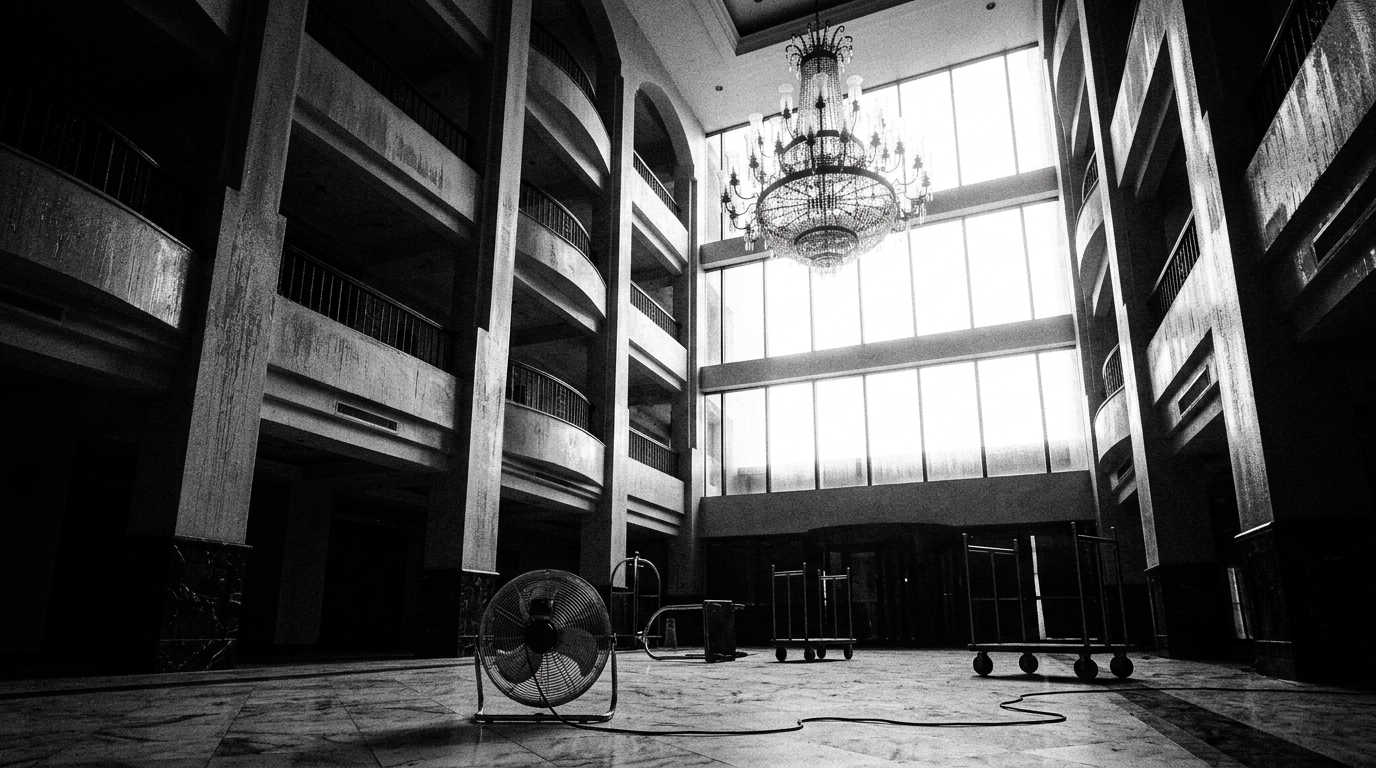
If you're running a property in Las Vegas this weekend, here's what to do before Friday morning. Walk down to engineering and ask one question: can we switch our air handling to full recirculation mode, and does the person on shift Saturday night know how to do it? If the answer to either is no, you have a problem you can still fix in 48 hours. Get your HVAC contractor on the phone today... not tomorrow, today... and get the procedure documented. Pull your portable fans and any HEPA filters you have out of storage and stage them in the lobby and fitness center. Draft a one-paragraph guest communication about indoor air quality for your front desk team to use proactively. This is what I call the Invisible P&L at work... the smoke advisory itself costs you nothing, but a hundred one-star reviews mentioning "smelled like smoke in the hallway" will cost you for months. The hotels that win this weekend won't be the ones with the best fireworks view. They'll be the ones where guests walk inside and take a clean breath.