Your HVAC Is About to Fail. It's 107 Degrees. And You Don't Have a Plan.
The Southern heatwave isn't an agriculture story. It's a hotel operations crisis hiding in your utility bill, your mechanical room, and the pickup pace you haven't checked since Monday.
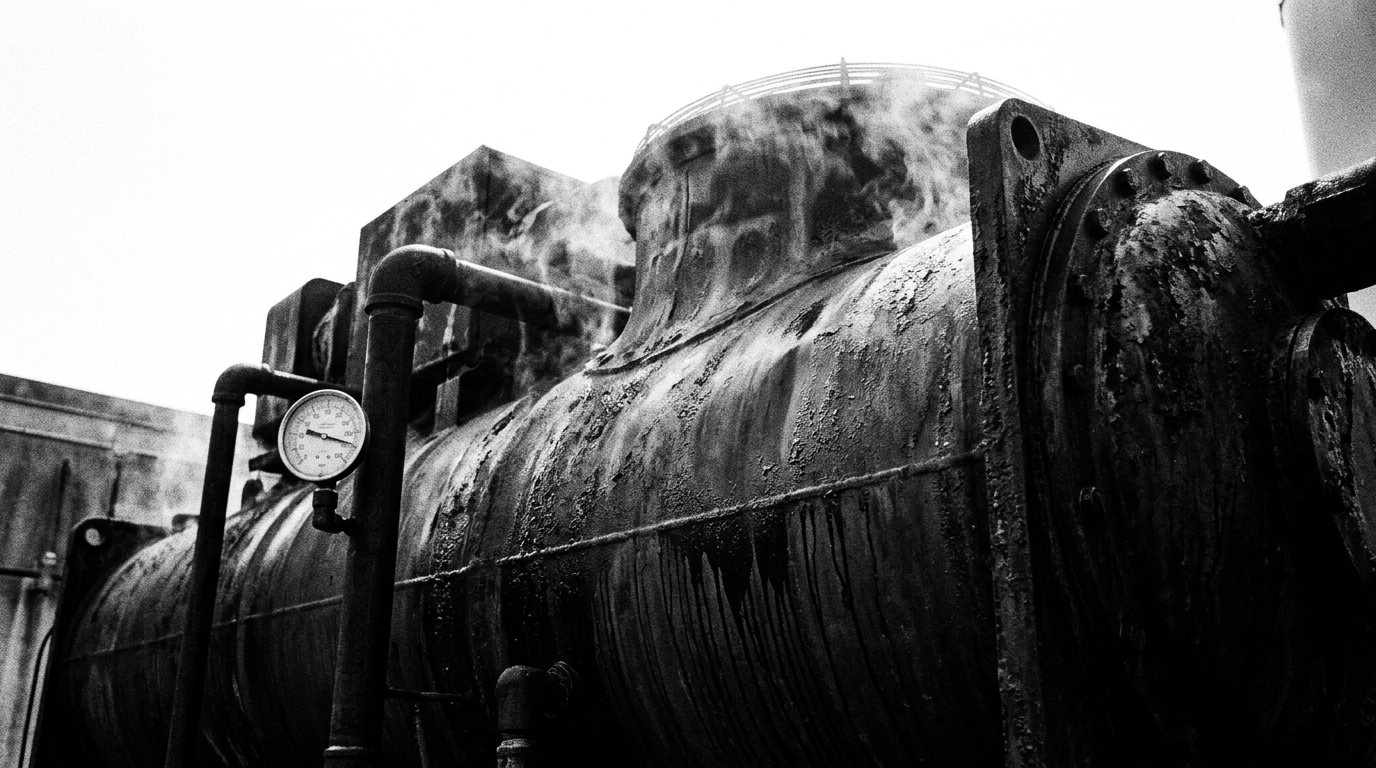
I worked with a chief engineer once who kept a whiteboard in the mechanical room. Not the kind with work orders or shift schedules... just a single number, updated every morning: consecutive days above 95 degrees. He told me when that number hits 14, something breaks. Not might break. Breaks. A compressor. A cooling tower fan motor. A chiller that's been running at 98% capacity for two straight weeks and finally says enough. He'd been doing it long enough that the whiteboard was less prediction and more countdown.
That whiteboard is what I think about when I see this heatwave rolling across the South right now. Texas, Florida, Georgia, Tennessee, the Carolinas... 20-plus consecutive days of extreme heat bearing down on every hotel in the region. And I promise you, most GMs are thinking about occupancy, about Fourth of July pickup, about pool staffing. They are not thinking about the 22-year-old rooftop unit that's been screaming for two weeks straight. They should be. Because a central plant failure at a 300-key full-service during peak season isn't a maintenance ticket. It's a mass checkout event. It's 40 guest relocations at your expense, at competitor rates, during the week your comp set is sold out. It's a revenue hole you cannot fill because those room nights are gone forever.
Here's the part that doesn't make the weather headlines. Your utility bill is about to get ugly in a way that wasn't in anyone's budget. Hotels are running roughly $2,500 per available room annually on utilities... resorts closer to $5,000. That's the baseline. During grid stress events, demand charges (which already account for 30% to 70% of your monthly electric bill) spike based on your highest 15-minute usage interval. One 15-minute peak... your kitchen, your laundry, and your HVAC all pulling maximum load at 3 PM on a 108-degree Tuesday... and that single quarter-hour sets your demand charge for the entire month. I've seen properties eat $15,000-$20,000 in unexpected utility costs from a single bad month. That's money coming straight out of GOP, and nobody budgeted for it because nobody budgets for the grid punishing you for keeping your guests comfortable.
And then there's the demand side, which is the part revenue managers need to wake up to right now. Booking.com published research earlier this year showing 74% of travelers are now factoring extreme weather into their booking decisions. A third have canceled trips because of it. If you're running a drive-to leisure property in a Southern market... a Gulf Coast resort, a Hill Country retreat, anything where the value proposition involves being outdoors... your pickup pace for the back half of June and early July might already be softening and you haven't noticed yet because you're comparing to last year's pace, not to what's actually happening on the ground today. When it's 107 degrees and your pool deck is unusable between noon and 6 PM, your "resort experience" just became an overpriced hotel room with a view of a pool nobody can swim in. Guests figure that out fast. They also leave reviews about it fast.
This is what I call the Invisible P&L... the costs that never show up on a line item but destroy your margin anyway. The emergency HVAC repair that gets coded to maintenance but was really a failure of preventive planning. The relocated guests whose cost hits your bottom line as "rooms expense" but was actually a mechanical failure. The comp requests from guests whose outdoor amenities were unusable, buried in guest services but really a revenue erosion problem. The demand charge spike that shows up on next month's utility bill after you've already closed June's books. None of these appear where an owner or asset manager would naturally look for them. They just quietly eat your profit during what's supposed to be your strongest quarter.
If you're a GM in any Southern market right now, here's what you do this week, not next week. Walk your mechanical room with your chief engineer today. Ask specifically about compressor age, coolant levels, filter condition, and what the contingency is if your primary cooling fails at 2 AM Saturday. If the answer involves "call the vendor," get the vendor's emergency response time in writing... during a regional heatwave, every hotel in your market is calling the same three HVAC companies. Then pull your utility bill from the last heatwave month you can find and calculate your demand charge as a percentage of total electric. If it was 40% or higher, talk to your utility provider about demand response programs or load-shedding schedules for laundry and kitchen equipment during peak afternoon hours. Finally, if you're a leisure property, pull your pickup pace report today and compare it to the same period last week... not last year. If pace is softening, have a promotional package ready that repositions around indoor amenities, spa, F&B, anything that doesn't require guests to stand in 107-degree heat. Don't wait for the owner to ask why July came in soft. Bring them the data and the plan before they see the headline.