Today · Mar 31, 2026
Sandals Isn't Just Fixing Hurricane Damage. They're Betting $200M They Can Reinvent Themselves.

Sandals Isn't Just Fixing Hurricane Damage. They're Betting $200M They Can Reinvent Themselves.

Three Jamaican resorts closed since Hurricane Melissa could have reopened in May. Instead, Sandals pushed the timeline to December and tripled the spend. That tells you everything about where their head is... and it's a play more operators should understand.

Available Analysis

Here's the thing about hurricanes. They're terrible. They're destructive. They're also... if you're honest about it... sometimes the best renovation excuse you'll ever get.

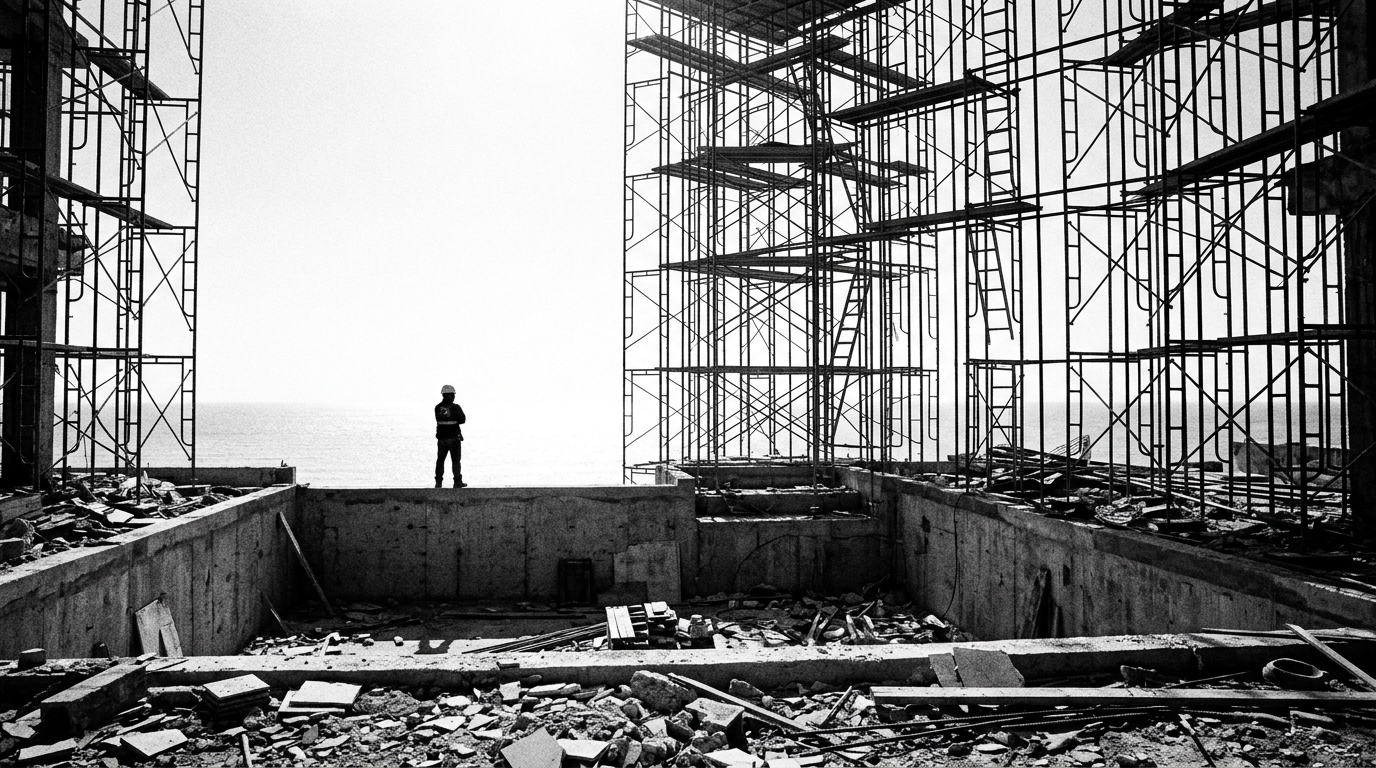
Sandals had three properties in Jamaica shut down since Hurricane Melissa hit last October. Sandals Montego Bay, Sandals Royal Caribbean, Sandals South Coast. The original plan was a May 30th reopening. Patch the damage, get the rooms back online, start selling again. That's what most operators would do. That's what the insurance timeline pushes you toward. Every day those rooms are dark is revenue you're never getting back.

But Adam Stewart looked at three empty buildings and saw something different. A blank canvas, he called it. And instead of the fastest path back to occupancy, he went the other direction... $200 million across three properties, new room categories, redesigned pools, new F&B concepts, new public spaces. Phased reopenings starting November 18th for South Coast, December 18th for the other two. That's six to seven additional months of zero revenue from those properties beyond the original target. On purpose.

I've seen this decision made exactly twice in my career. Once by an owner who had a catastrophic pipe burst flood an entire wing of a 280-key full-service. Insurance was going to cover the repair. He used it as the catalyst to do the full renovation he'd been deferring for four years. Came back with a repositioned product and pushed rate 22% within the first year. The other time, the owner did the same math, got scared by the carrying costs during the extended closure, patched it fast, and reopened into a market that had moved on without them. Took three years to claw back share.

The math on Sandals' play is aggressive but not crazy. $200 million across three luxury all-inclusive resorts... call it roughly $65-70 million per property depending on how you allocate. For resorts at this tier, that's a meaningful reinvention, not just soft goods and a coat of paint. And Sandals is privately held (no quarterly earnings call breathing down their neck), they've got five other Jamaica properties still running, and the all-inclusive model means when those rooms DO come back online, they come back at a full rate with bundled revenue from day one. No ramp-up discount period. No "grand reopening rate" that takes 18 months to walk back. That matters. The all-inclusive structure actually makes extended closures less painful on the recovery side than a traditional hotel model because you're not retraining a market on rate... you're reopening a destination.

What I respect about this is the discipline to say no to seven months of revenue because the long play is worth more. That's ownership thinking. Real ownership thinking, not the kind you read about in a management company's mission statement. Most operators (and most management companies, and most asset managers) would have pushed for the fastest reopening possible because that's what the trailing twelve months demands. Stewart's betting that the trailing twelve months after a $200 million reinvention will look a lot better than the trailing twelve months after a quick patch. He's probably right. But it takes a certain kind of nerve to stare at dark rooms for an extra half-year when you don't have to.

Operator's Take

This is what I call the Renovation Reality Multiplier. The promised timeline was May. The real timeline is December. But here's the part that matters for you... Sandals didn't just accept the delay, they CHOSE it, because they understood that the disruption was going to happen anyway and a half-measure wastes the opportunity. If you're sitting on deferred CapEx right now and something forces a closure (pipe burst, fire, code violation, whatever), don't just fix what broke. Run the numbers on what a full renovation looks like while the building is already empty. Every day of closure hurts, but the gap between "fix it fast" and "fix it right" is usually smaller than you think when the rooms are already offline. Call your contractor this week and get a real number for both scenarios. You might surprise yourself.
Read full analysis → ← Show less
Source: Google News: Resort Hotels
Sandals Turned a Hurricane Into a $200 Million Do-Over. Smart Move.

Sandals Turned a Hurricane Into a $200 Million Do-Over. Smart Move.

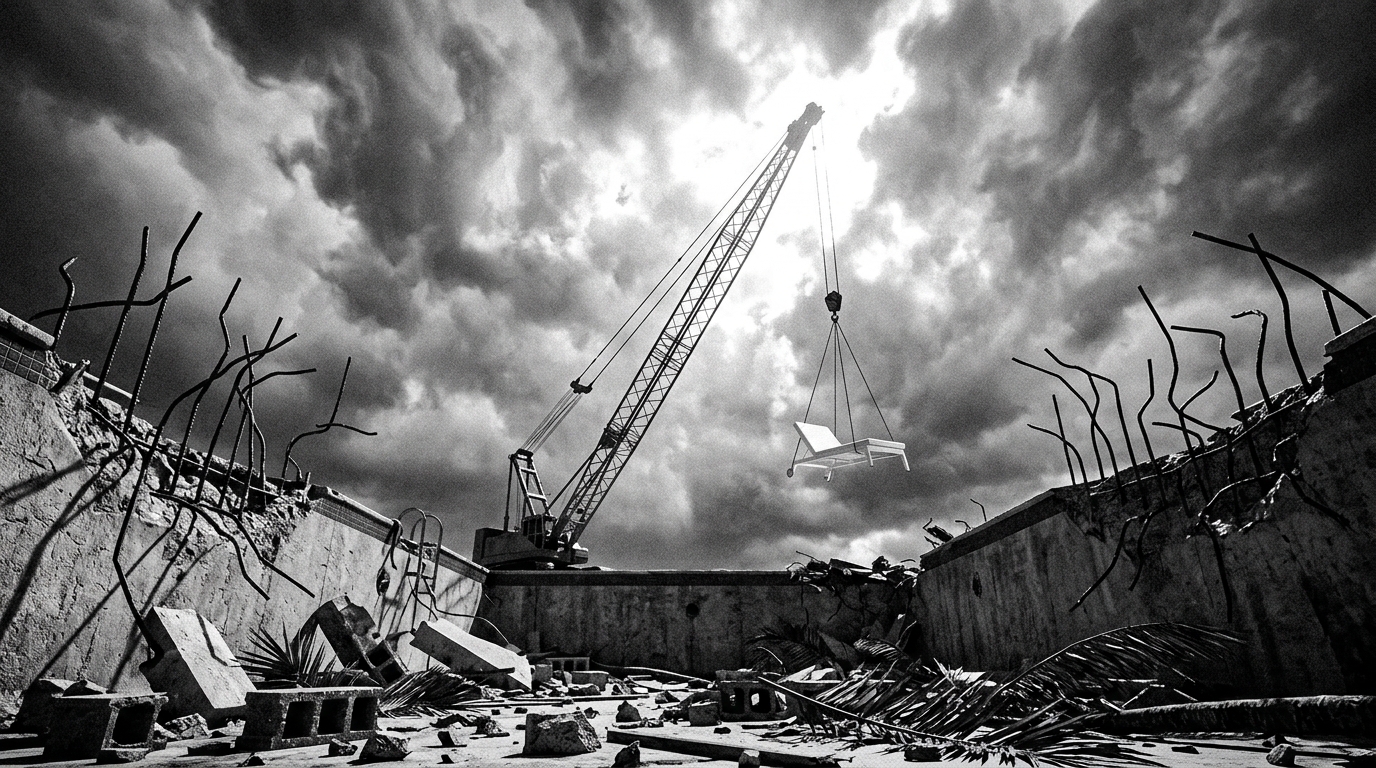
When a Category 4 hurricane shut down three of your flagship resorts, you've got two options: fix what broke, or rip the whole thing down to the studs and build the hotel you always wished you had. Sandals chose door number two.

Available Analysis

I've seen this movie exactly once before where it worked. A resort I was involved with took a direct hit from a tropical storm back in the mid-2000s. Insurance was going to cover the rebuild to bring it back to where it was. The owner looked at the adjuster's estimate, looked at the property's trailing RevPAR, and said "why would I spend $8 million to rebuild a $6 million hotel?" He put in his own capital on top of the insurance payout, repositioned the entire product, and came back 14 months later at a rate $85 higher than where he'd been. It was the smartest renovation play I ever witnessed... and it only happened because a storm forced his hand.

That's what Sandals is doing with this $200 million across Montego Bay, Royal Caribbean, and South Coast. Hurricane Melissa shut all three properties down last October. They were originally supposed to reopen in May 2026. Instead, Adam Stewart looked at the situation and essentially said: we're already closed, staff is already displaced, rooms are already offline... why patch it when we can transform it? The reopening is now November and December 2026. That's a full year of zero revenue from three flagship properties. That's not a casual decision. That's a bet.

Here's why the bet is probably right. In this business, the single hardest thing about a major renovation is the disruption. You lose revenue. You lose guests to noise complaints. You lose staff who get frustrated working in a construction zone. Your TripAdvisor scores tank because someone on the fourth floor can hear hammering at 7 AM. I've managed renovations where we tried to keep the hotel open and the guest satisfaction hit was worse than just closing. This is what I call the Renovation Reality Multiplier... the real disruption timeline and cost is always worse than the promised one. Sandals doesn't have that problem. The hurricane already took the hit for them. The buildings are already empty. The disruption already happened. Now you're just converting forced downtime into strategic uptime. That's genuinely smart capital deployment.

What I'm watching is the execution side. $200 million split three ways is roughly $66 million per property. Depending on key count and scope, that's a meaningful per-room spend... new room categories, redesigned pools, expanded F&B, refreshed public areas. The question is whether they come back as the same Sandals at a higher price point or as something genuinely repositioned. Because "reimagined" is a word that gets thrown around a lot in this business and usually means "we replaced the soft goods and added a rooftop bar." If Stewart is serious about this "2.0" vision (and based on the Dunn's River relaunch and the six-property pipeline through 2031, he appears to be), this could reset the competitive bar for luxury all-inclusives in Jamaica. But the Caribbean is littered with $50 million renovations that came back looking great and couldn't justify the rate increase because the market didn't move with them.

The other piece worth noting... and I don't hear enough people talking about this... Stewart publicly committed to maintaining salaries and benefits for all Jamaican staff during the closures. For a year-plus shutdown, that's a massive payroll commitment on zero revenue. That's not just good PR. That's an operator who understands that when you reopen a 300-key resort, you need trained staff on day one, not a Help Wanted sign. The cost of maintaining that payroll is real. The cost of rebuilding a team from scratch in a Caribbean labor market? Way more real. Sometimes the most expensive line item on the P&L is the smartest one.

Operator's Take

If you're sitting on a property that just took damage from weather, flooding, or any force majeure event... before you sign the repair contract, stop. Pull your trailing 12 NOI, pull your comp set performance, and ask yourself whether you're rebuilding the hotel you had or the hotel you need. Insurance-plus-capital repositioning after forced closure is one of the rare moments where the renovation math actually works in the owner's favor, because the disruption cost is already sunk. Call your insurance adjuster and your architect in the same week. And if you're keeping staff on payroll during the closure, do the math on retention versus rehiring. Keeping a trained team through a shutdown is almost always cheaper than recruiting and training new bodies for reopening. Almost always.

Read full analysis → ← Show less
Source: Google News: Resort Hotels
End of Stories