South Korea Just Fined Agoda $1.58M for Hiding Fees. Your OTA Problem Is Bigger Than You Think.
Two South Korean regulators hit Agoda with separate penalties for disguising sponsored listings as organic results and burying fees until checkout. If you think this is just an Asia-Pacific story, you haven't been watching what's happening to your own rate parity.
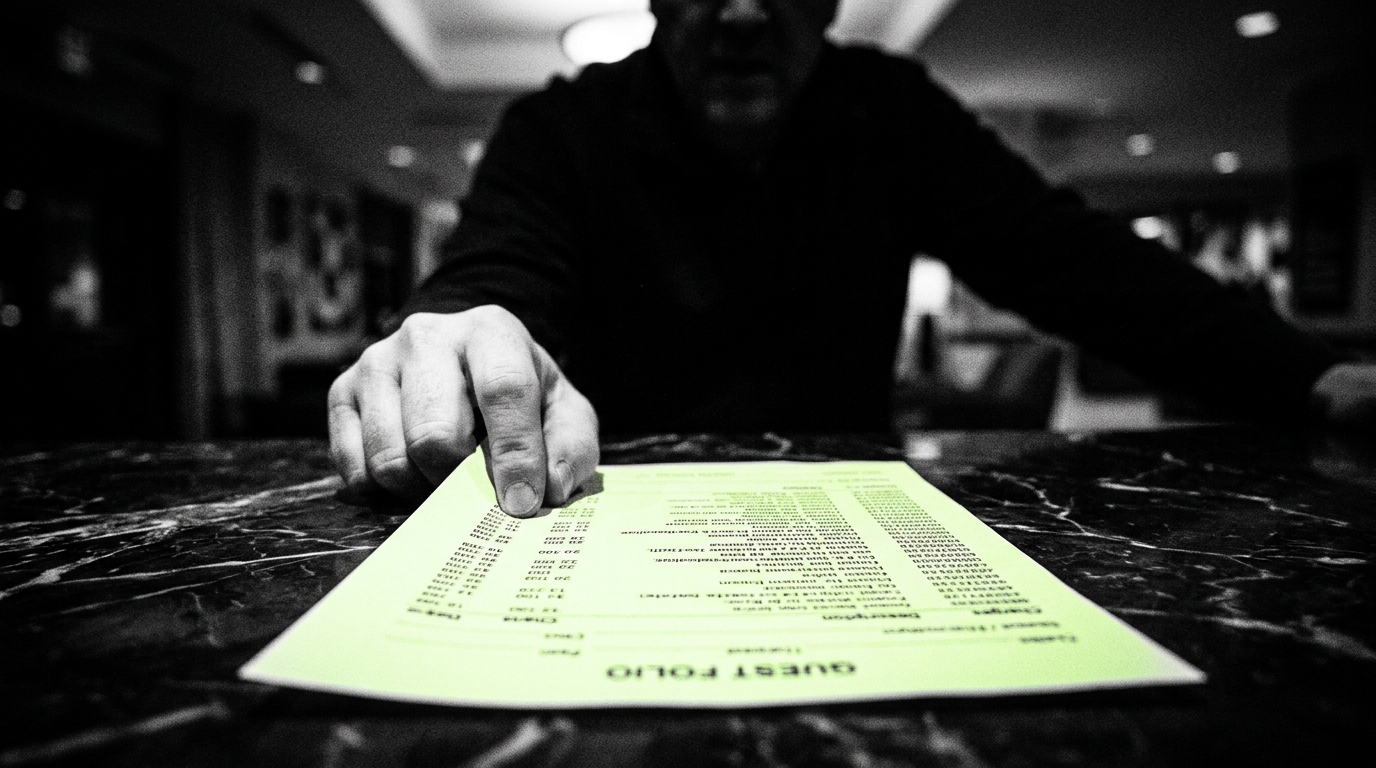
I worked with a GM years ago who kept a folder on his desk he called the "OTA Tax File." Every month, he'd print out screenshots of his own property on three different booking platforms. He'd circle the final price the guest actually paid versus the rate he'd agreed to. The gap... fees added at checkout, "service charges" that materialized on the payment screen, currency conversion markups nobody asked for... was consistently 8-12% above what the guest thought they were booking. His frustration wasn't the fees themselves. It was that the guest blamed the hotel when the credit card statement didn't match expectations.
That's the story underneath what just happened in South Korea. Two separate regulators came down on Agoda on the same day. The Korea Fair Trade Commission fined them 2.5 million won (about $1,750... basically a parking ticket) for labeling paid hotel placements with vague tags like "Agoda Growth Program" instead of clearly marking them as ads. The Korea Media and Communications Commission hit harder... 2.424 billion won, roughly $1.58 million, for burying cancellation fees, refund conditions, and surcharges of up to 5% that only appeared at the payment screen. Some charges weren't even displayed in Korean won. Booking.com got tagged on the sponsored listings issue too.
Here's what nobody's telling you. This isn't a South Korea problem. Singapore's competition commission raised nearly identical concerns about Agoda last year. The Seoul Metropolitan Government reported that over half of Korean travelers using foreign OTAs experienced billing issues or customer service failures tied to "dark patterns." Consumer complaints related to online travel platforms in South Korea increased sixfold between 2021 and 2024. Sixfold. The regulatory pressure is building globally, and the practices being penalized... hiding the true cost until the guest is committed, disguising paid placements as organic rankings... are not unique to the Korean market. They're the business model.
Look... I've been on the receiving end of guest complaints generated by OTA practices for decades. The guest doesn't call Agoda at 11 PM furious about a hidden fee. They call the front desk. They leave the review on your TripAdvisor page. They tell their friends the hotel overcharged them. The reputational cost flows downhill to the property every single time. And here's the part that should really keep you up at night: foreign OTAs captured 82.6% of inbound tourist bookings in South Korea in 2023, charging domestic hotels an average of over 16.5% in fees. Those are the operators who have the least leverage and pay the most. Sound familiar?
The fines themselves are almost irrelevant to a company backed by Booking Holdings. $1.58 million is a rounding error on their quarterly earnings. What matters is the pattern. Regulators in multiple countries are now documenting and penalizing the same practices. That documentation creates precedent. Precedent creates regulation. And regulation... eventually... creates leverage for operators who've been playing defense against OTA distribution economics for the last 15 years. This is a slow burn, not a revolution. But the fire is getting closer to the furniture.
If you're a GM or owner with significant OTA exposure (and who doesn't), here's what to do this week. Pull your actual OTA booking data for the last 90 days and calculate your true cost of distribution... not just the commission rate, but the guest complaints, the rate parity headaches, the review damage from pricing confusion you didn't create. Build that number. Know it cold. Then look at your direct booking investment and ask yourself honestly whether you're spending enough to shift even 5% of that OTA volume. This is what I call the Invisible P&L... the costs that never appear on your financial statements but destroy more margin than the ones that do. The OTA guest who calls the front desk furious about a hidden fee isn't a line item anywhere, but she costs you a repeat customer and a one-star review. Every dollar you move from OTA to direct is a dollar that stops generating invisible costs. Start measuring it. Start talking about it with your ownership. Because the regulatory world is slowly waking up to what operators have known for years... and the operators who've already built their direct booking infrastructure will be the ones who benefit when the rules finally change.