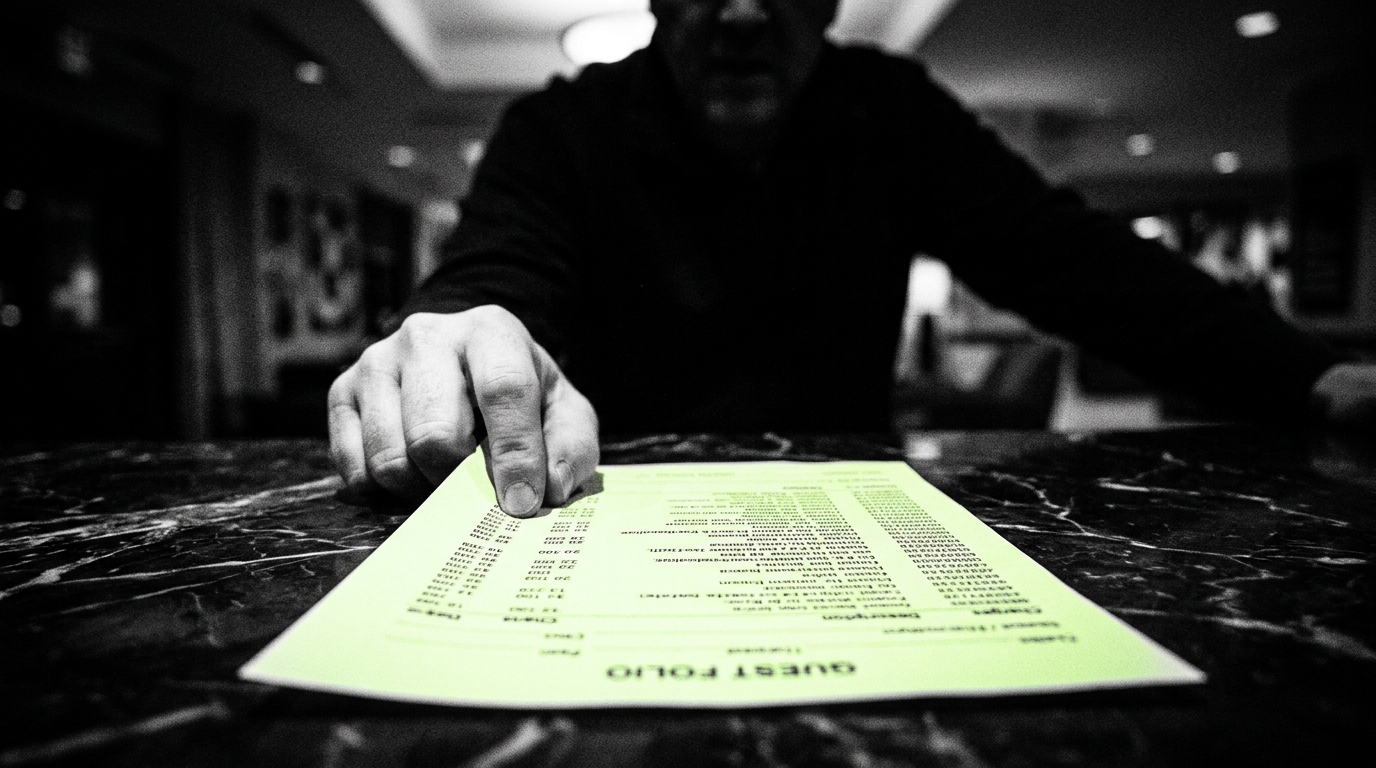
Rate parity refers to the practice of maintaining consistent room rates across all distribution channels, including a hotel's direct website, online travel agencies (OTAs), and global distribution systems (GDS). Hotels implement rate parity strategies to prevent undercutting and ensure guests pay the same price regardless of booking platform, though they may offer different amenities or packages to differentiate channels.
The concept has become increasingly complex in hotel distribution. Rate parity clauses, historically enforced by major OTAs through contractual agreements, have faced regulatory scrutiny in multiple jurisdictions over concerns about competition and consumer choice. Hotels must balance the desire for consistent pricing against pressure from distribution partners and evolving legal frameworks that restrict certain parity enforcement mechanisms.
For hotel operators, rate parity decisions directly impact channel economics, guest acquisition costs, and brand perception. The tension between maintaining parity and optimizing revenue across channels remains a critical operational consideration, particularly as distribution landscapes continue to shift and regulatory environments evolve.
Two South Korean regulators hit Agoda with separate penalties for disguising sponsored listings as organic results and burying fees until checkout. If you think this is just an Asia-Pacific story, you haven't been watching what's happening to your own rate parity.
AI shopping assistants are already querying hotel inventory in real time, and most properties aren't structured to answer back. The hotels that treat this as a "tech project" are going to learn the difference between being bookable and being invisible.
Expedia just posted a quarter where its B2B business grew 24% while consumer bookings crawled at 4%. If you don't understand what that split means for your distribution costs, you're about to learn the hard way.
📡
Get the Briefing Every Morning at 6AM
Join hotel operators, owners, and investors who start their day with InnBrief.
Free forever. Unsubscribe anytime. No spam — just signal.
Radisson and Amadeus just flipped the switch on AI-powered booking connectivity. If you think this is just another tech announcement, you're about to get blindsided.
The InnBrief Daily
92% open rate — operators read this.
Hotel industry intelligence in your inbox every morning at 6AM. No fluff.