Four Seasons Is Selling $35K Nights Inside a 1936 Beach House. And It's Not Even the Boldest Part.
Four Seasons just turned a 90-year-old oceanfront cottage at The Surf Club into a four-bedroom private villa with a butler, a chef, and a pool nobody else can touch. The real play isn't the villa... it's a residential strategy that now generates $2.1 billion a year and is quietly rewriting how luxury hotels make money.
I worked with a luxury resort GM years ago who told me something I've never forgotten. He said the wealthiest guests don't want more amenities. They want fewer people. The pool doesn't need to be bigger. The restaurant doesn't need another Michelin star. They just want to feel like nobody else exists. That stuck with me because it runs completely counter to how most of us were trained. We were taught that service means anticipation, presence, visibility. But at the very top of the market... the real top... service means disappearing until you're summoned.
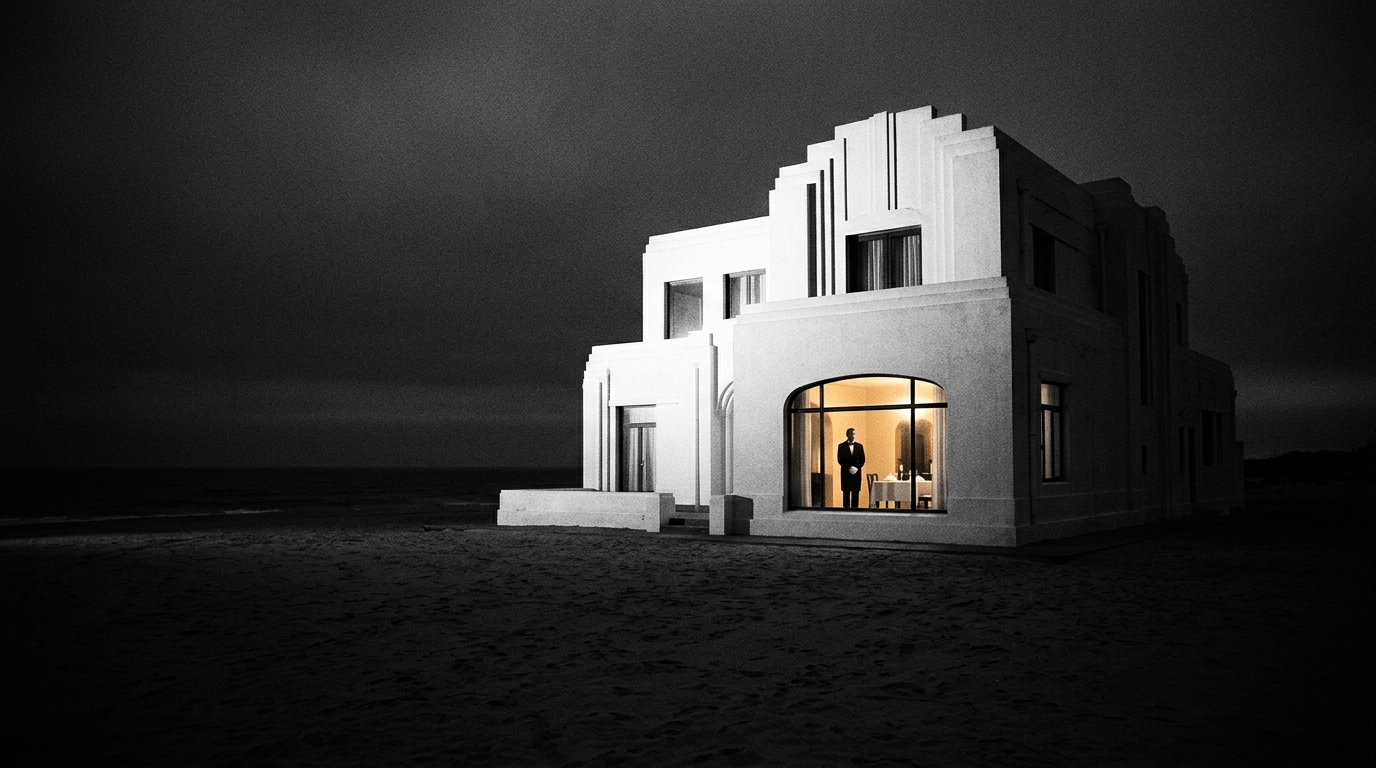
That's what Four Seasons just built in Surfside, Florida. A 5,200-square-foot, four-bedroom oceanfront villa inside a restored 1936 structure at The Surf Club. Private pool. Private beach entrance. Private chef. Butler. Underground parking so you never have to walk through a lobby. They've essentially created a $30-40K per night experience (based on comparable pricing at the property) where the whole point is that you never interact with the hotel at all... unless you want to. It's a hotel that doesn't feel like a hotel. And that's entirely by design.
Here's why this matters beyond the obvious "rich people gonna rich" reaction. Four Seasons reported $2.1 billion in gross residential sales in 2024. Sixty-five percent of their development pipeline now includes a residential component. They're projecting 90 standalone residential properties by 2030, up from 56 today. Those aren't hotel numbers. Those are real estate development numbers. And the margins on branded residential management are fundamentally different than the margins on room nights. You're not filling 365 nights a year. You're selling or renting a handful of ultra-premium units with service fees attached, and the owner of that villa is paying Four Seasons to manage it whether anyone's sleeping in it or not. The recurring revenue model is the play. The villa is just the packaging.
What makes The Surf Club villa interesting operationally is what it says about labor allocation at the top of the luxury segment. A four-bedroom private villa with a dedicated chef, butler, and housekeeping team isn't supplementing the hotel's existing staff... it's creating a parallel operation. You're running a private household inside a hotel campus. The staffing model, the training model, the quality control model... all different. I've seen luxury properties try to stretch their existing teams across these kinds of ultra-premium offerings and it always shows. The guest paying $35K a night can tell when their butler was pulling pool towels an hour ago. Four Seasons presumably understands this, but the operators who try to copy this playbook at a lower price point are going to learn that lesson the hard way.
The bigger strategic picture is this. Four Seasons is betting that the future of luxury hospitality isn't hospitality at all... it's branded lifestyle management. The yacht launched last week. The residential pipeline is exploding. This villa sits inside a development called Seaway at The Surf Club where apartments have sold for up to $44 million. They're not competing with Ritz-Carlton or Rosewood for room nights anymore. They're competing with private estate ownership and winning by offering the one thing a standalone mansion can't provide... a Four Seasons service infrastructure you don't have to build and manage yourself. That's a powerful value proposition for someone with $30 million to spend on a home. And it's a business model that most hotel companies can't replicate because they don't have the brand permission to charge what Four Seasons charges.
Let me be direct. If you're running a luxury or upper-upscale property, the lesson here isn't "go build a private villa." You can't. The lesson is what's happening to the top of the market and how it trickles down to your comp set. Four Seasons is pulling their highest-value guests out of the traditional hotel inventory entirely... into private residences, villas, yachts. That means the ultra-luxury traveler who used to book your Presidential Suite three times a year might be booking a branded residence instead. If you're in a market where Four Seasons (or Aman, or Rosewood) is expanding residential, check your suite booking pace against two years ago. If it's soft, now you know why. The play for the rest of us is this: figure out what "private" and "exclusive" mean at YOUR price point. You don't need a $35K villa. But a 250-key property that carves out a club floor with dedicated staff, separate check-in, and a curated experience that feels walled off from the main hotel... that's the accessible version of what Four Seasons just built. The demand for privacy and separation isn't limited to billionaires. It just costs different at different levels.