Booking Holdings Spent $3.6B on Buybacks While Your OTA Commission Check Grew 16%
Booking just posted $5.53 billion in Q1 revenue, up 16% year-over-year, and immediately spent $3.6 billion buying back its own stock. If you're an independent hotelier wondering where your commission dollars go, now you know.
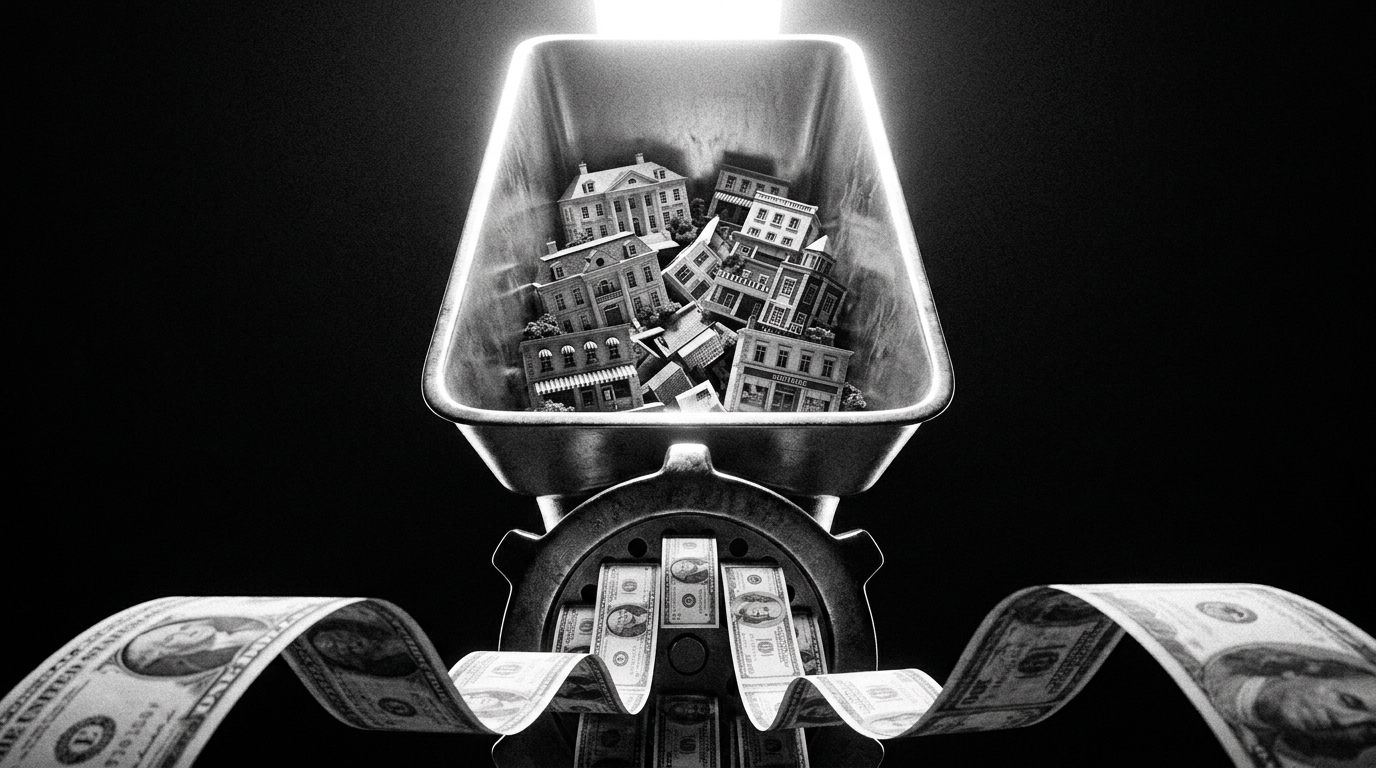
So let's talk about what actually happened here, because the earnings call headline and the operational reality are two very different conversations.
Booking Holdings pulled in $5.53 billion in revenue last quarter. That's 16% growth. They booked 338 million room nights, up 6% year-over-year (and they claim it would have been 8% without the Middle East conflict dragging things down). Adjusted EBITDA hit roughly $1.3 billion, up 19%. By any financial measure, this is a machine running at full speed. And the first thing they did with that cash? $3.6 billion in share buybacks. Not investment in hotelier tools. Not commission relief. Not better integration with your PMS. Buybacks. That tells you everything about who this machine is built to serve.
Now here's where it gets interesting for operators... Booking is pushing hard on two things: AI-powered personalization and direct channel growth. Their Genius loyalty program now drives direct bookings in the "mid-fifties percentage" of total room nights. Think about that for a second. Booking.com, an OTA, is building a direct booking channel... to itself. They're spending on AI voice assistants through Priceline, personalization tools through Kayak, and localized strategies in Asia through the Agoda/Booking.com dual-brand play. Every one of these investments is designed to make the traveler more loyal to Booking's ecosystem, not to your property. The AI isn't making your guest experience better. It's making Booking's conversion funnel stickier. There's a massive difference.
Look, I talked to a revenue manager last month at a 140-key independent who told me she spends roughly 22% of her OTA-sourced revenue on commissions, marketing contributions, and rate parity compliance overhead combined. Twenty-two percent. And that was before Booking's latest round of "visibility boosters" and "preferred partner" upsells that effectively tax you for the placement you used to get organically. When Booking reports 16% revenue growth, that growth is partially your margin. The question nobody's asking on the earnings call is: what's the cost-to-acquire for a Booking.com guest versus what it would cost the hotel to acquire that guest directly? For most independents, the answer is ugly... but the alternative (disappearing from the platform) is uglier.
The Middle East impact deserves a closer look, but not for the reason the analysts are focused on. Booking lowered its full-year revenue guidance to high single-digit growth from low double-digits. Their Q2 outlook is 2-4% room night growth. That deceleration spooked Wall Street (stock dropped about 4% after hours), but here's what matters at property level: when OTA growth slows, the sales pressure shifts downstream. Booking doesn't absorb margin compression quietly. They push harder on hotel partners... higher commission tiers for better placement, more aggressive "deals" programs, tighter rate parity enforcement. I've seen this pattern play out at every OTA cycle slowdown. The platform's growth slows, so they squeeze the supply side harder. If you're an independent without a robust direct booking strategy, the next two quarters are going to feel like a vise tightening.
The AI piece is the part that actually concerns me as a technologist. Booking is investing real engineering resources into tools that sit between the traveler and your property. Voice assistants that recommend hotels. Personalization engines that decide which properties surface first. Every layer of AI they add is another layer where your property's visibility depends on Booking's algorithm, not your product quality. And here's the thing about AI recommendation engines (I've built recommendation systems, so I know how this works under the hood)... they optimize for the platform's revenue, not the hotel's. The property that converts best for Booking gets surfaced. That's not necessarily the best hotel. It's the hotel with the most Booking-friendly pricing, cancellation policy, and commission structure. The AI isn't neutral. It never was. Now it's just faster at not being neutral.
Here's what to do this week if you're running an independent or a soft-branded property with significant OTA exposure. Pull your channel mix report for Q1. Calculate your true cost-per-acquisition by channel... not just commission, but the rate parity constraint cost (what you COULD have sold direct rooms for versus what you HAD to price them at). If Booking is more than 30% of your mix and your direct channel isn't growing quarter-over-quarter, you're losing ground while their shareholders cash $3.6 billion in buybacks. This is what I call the Vendor ROI Sentence... if your OTA partner can't show you that their cost delivers net-positive revenue you couldn't get elsewhere, it's a tax, not a partnership. Invest in your own email capture, your own loyalty program (even a simple one), and your own booking engine SEO. You won't out-spend Booking. But you can out-relationship them with the guest standing in your lobby right now.