Wyndham Wants Dolce to Play Upscale. Three New Hotels Won't Answer the Only Question That Matters.
Wyndham just opened three design-forward Dolce properties in Miami Beach, Palm Springs, and the Hudson Valley, betting that a franchise company built on economy scale can deliver an upper-upscale promise. The question isn't whether the lobbies photograph well... it's whether the brand can attract the guest willing to pay the rate when Marriott, Hilton, and Hyatt are already in the room.
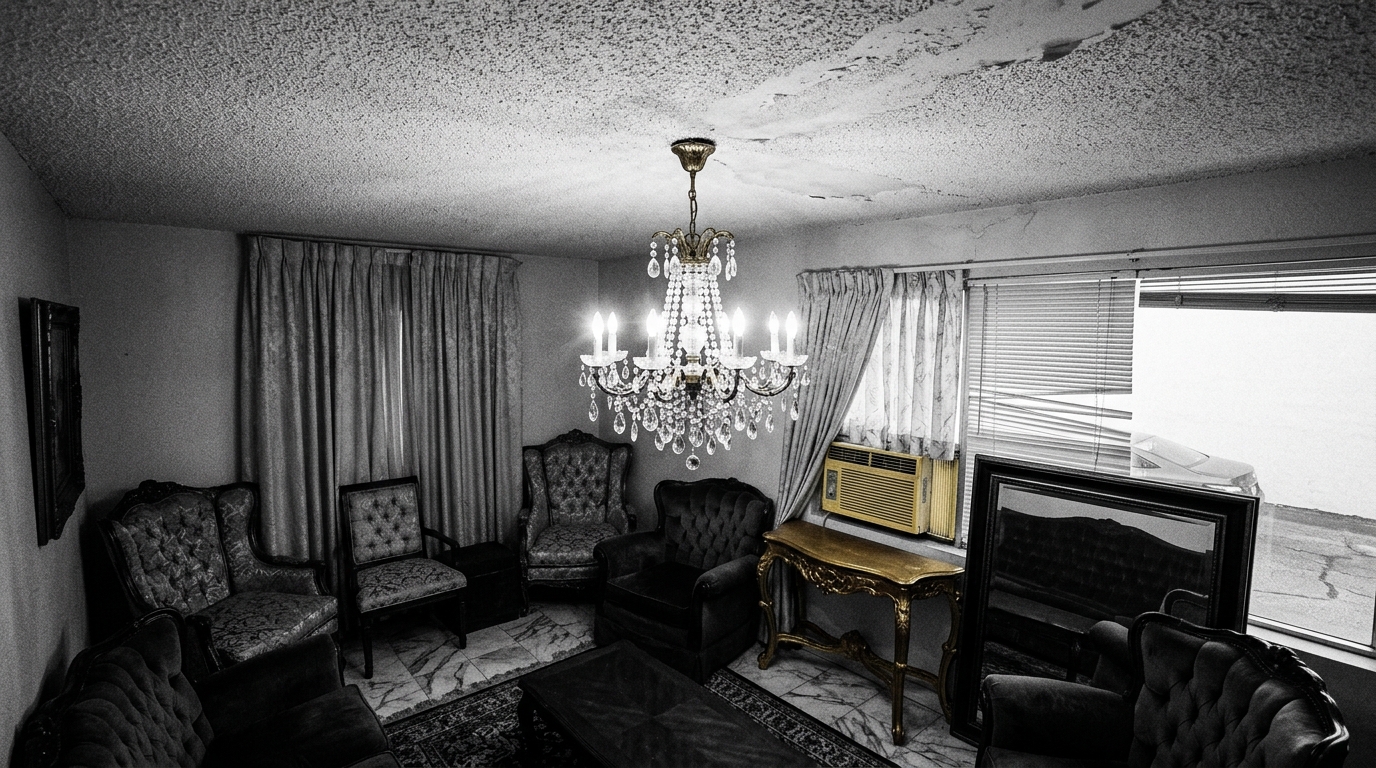
I grew up watching brand launches. I've sat through more of them than I care to count... the renderings, the mood boards, the carefully curated language about "sense of place" and "design-led experiences" and guests who are "cultivated" (a word that always makes me want to ask: cultivated by whom? and into what, exactly?). And I can tell you that the distance between a beautiful brand presentation and a sustainable operating model is roughly the same distance as Miami Beach to the Hudson Valley, which is convenient because Wyndham is now trying to cover both.
Here's what happened: Wyndham announced three new Dolce by Wyndham openings... a 90-room boutique in South Beach, a 140-plus-key resort in Palm Springs, and a 240-plus-key meetings-driven property in Tarrytown, New York, with 30,000 square feet of event space. The properties are design-forward, destination-specific, and positioned as upper-upscale. Wyndham's VP of upscale and lifestyle brands talked about hotels "rooted in their destinations" with experiences "shaped by place, design, and how people want to travel today." It sounds wonderful. I mean that sincerely... the intent is right. The question that keeps me up at night (and should keep the owners of these properties up at night) is whether Wyndham's distribution engine, loyalty infrastructure, and brand perception can deliver the guest who will pay upper-upscale rates in markets where they're competing directly against flags that have been playing this game for decades. Wyndham Rewards has 122 million members. Impressive number. But how many of those members are booking $400-plus-a-night boutique hotels in South Beach? How many of them even associate Wyndham with that experience? (Be honest. When someone says "Wyndham," your brain goes to Super 8 and La Quinta before it goes to design-led lifestyle. That's not a criticism... that's a brand perception reality that takes years and enormous investment to shift, and three properties don't shift it.)
The Deliverable Test is where I always land, and it's where this gets uncomfortable. A 90-room boutique in Miami Beach competing against Edition, 1 Hotel, Faena, and a dozen independent lifestyle properties requires more than a beautiful lobby. It requires a service culture, an F&B program, and a staffing model that can deliver an experience worth the rate premium every single night, not just during Art Basel. Palm Springs is slightly more forgiving, but it's also a market that's gotten increasingly crowded with lifestyle repositions. And the Tarrytown property... that one actually makes the most strategic sense to me, because it's a meetings-driven asset with 30,000 square feet of event space, and group hospitality is where Dolce historically lives. If Wyndham had announced three properties like Tarrytown, I'd be cautiously optimistic. But a 90-room boutique in South Beach is a fundamentally different operating challenge, and I'm not convinced the franchise model (even Wyndham's franchise model, which is more flexible than most) can consistently deliver an upper-upscale guest experience without the kind of hands-on brand oversight that asset-light companies aren't built to provide.
What the press release doesn't mention is the total cost of entry for these owners. Franchise fees, loyalty assessments, reservation system charges, marketing contributions, PIP compliance, brand-mandated vendors... I'd want to see the total brand cost as a percentage of revenue for each of these properties, because in upper-upscale, the cost to deliver the promise is significantly higher than in Wyndham's core segments, and the margin for error is significantly thinner. I sat across from a franchise owner once who pulled out her calculator mid-presentation and started dividing every projected revenue figure by the total brand cost. She looked up and said, "So I'm paying premium fees for a brand that hasn't proven it can drive premium demand in my market?" The room got very quiet. That's the conversation every owner considering a Dolce conversion should be having right now. Not "is the design beautiful?" (It probably is.) But "does this brand have the distribution muscle and the market credibility to fill these rooms at the rates the proforma requires?"
I want Wyndham to succeed with Dolce. I genuinely do. The industry needs more upscale options that aren't controlled by three companies, and Wyndham's willingness to let properties maintain individual character instead of enforcing cookie-cutter standards is refreshing. But wanting something to work and believing the math supports it are two different things, and right now, this looks like brand theater until the RevPAR index data proves otherwise. The timing is interesting... Wyndham reports Q1 earnings this week. Watch for any commentary about upscale pipeline economics and loyalty contribution rates for properties above the midscale tier. That's where the real story will either validate this strategy or expose the gap between the rendering and the reality.
Here's what I call the Brand Reality Gap... brands sell promises at scale, but properties deliver them shift by shift. If you're an independent owner being pitched a Dolce conversion right now, do three things before you sign anything. First, demand actual loyalty contribution data from existing Dolce properties (not projections... actuals, for the last 12 months, in comparable markets). Second, calculate your total brand cost as a percentage of gross revenue... franchise fee, loyalty assessment, reservation fees, marketing fund, PIP capital amortized over the agreement term, all of it. If that number exceeds 18% of revenue and the brand can't demonstrate it's driving enough incremental demand to justify it, you're writing checks to build someone else's brand on your balance sheet. Third, stress-test the proforma at 75% of projected loyalty contribution. That's not pessimism. That's the variance I've seen between what franchise sales teams promise and what properties actually receive. If the deal doesn't work at 75%, it doesn't work.