A Guest Died in a Resort Fire. The Thatched Roof Was the Accelerant Everyone Already Knew About.
A fire tore through Viva Wyndham Dominicus Beach on Friday, killing an Italian tourist and evacuating 1,690 guests. The cause is under investigation, but the construction material that let it spread isn't a mystery... it's the same palm thatch that's burned at Caribbean resorts three times in two years.
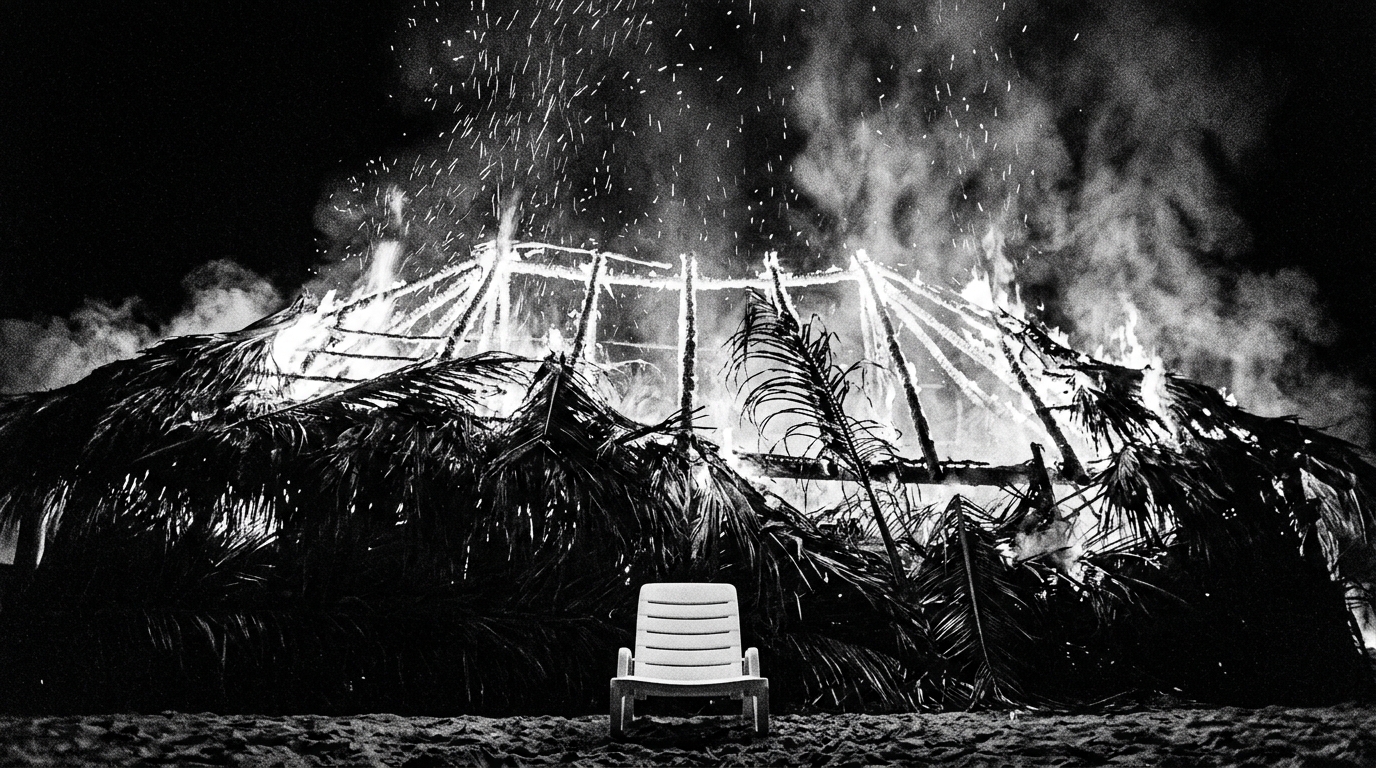
I watched a resort burn once. Not this one. Different island, different decade. But the same sick feeling in my stomach as I stood in a parking lot watching flames eat through a roof structure that everyone knew was a fire risk and nobody had done anything about because it looked beautiful in the brochure photos. That's the thing about thatched roofs in the Caribbean. They're gorgeous. Guests love them. They photograph like a dream. And when they catch fire on a windy day, they burn like they were designed to.
Friday morning in Bayahibe, a fire ripped through the Viva Wyndham Dominicus Beach resort and killed Francesca Valentino, a 46-year-old Italian tourist who was on vacation. Nine more people were injured. Nearly 1,700 guests were evacuated and relocated to other properties. The Dominican Republic's Emergency Operations Center says the fire spread rapidly due to strong winds and the resort's palm-thatch roof construction. The cause is still under investigation, but the mechanism isn't a mystery to anyone who's been paying attention. This is the third significant resort fire involving thatched construction in the Dominican Republic in less than two years. Cap Cana lost 11 villas in July 2025. Club Med Punta Cana took significant damage in September 2024. Same materials. Same story. Same preventable acceleration.
Here's what bothers me most. The Dominican Republic welcomed 5.6 million tourists in the first five months of this year. It's the Caribbean's top destination. And yet... general travel advisories from multiple governments flag "uneven regulation" in the tourism industry, potential gaps in safety inspections, and staff training that may not meet international standards. That's diplomatic language for something operators understand plainly: the regulatory framework hasn't kept pace with the development boom. When you're building and operating resorts at scale in a market with that kind of demand, the temptation is to move fast and let the aesthetics drive the design. Thatched roofs are the look. They signal "tropical paradise." They also signal "I will burn extremely fast under conditions that occur regularly in a tropical climate." Those two things coexist in the same structure, and someone has to reconcile them before another family gets a phone call they shouldn't have to receive.
The brand response here matters, and right now there isn't much of one. Wyndham Hotels & Resorts hasn't commented publicly. The adjacent Viva Wyndham Dominicus Palace (same chain, not damaged) continues to operate normally. The stock barely moved. And the local authorities are already reassuring everyone that "tourist activities in Bayahibe remain unaffected." I understand why they're saying that. Tourism is the economy. But "unaffected" is a word that rings hollow when a woman is dead and 1,700 people just had the worst day of their vacation. The operational question isn't whether Bayahibe is safe for tourists. It's whether every resort in the Caribbean using combustible roofing materials has a fire suppression plan, an evacuation plan, and construction standards that account for the fact that wind and thatch and fire are a combination that kills people. Because we keep learning this lesson and we keep not learning it.
If you operate or own resort properties anywhere... Caribbean, Mexico, Southeast Asia, anywhere that uses natural roofing materials for the aesthetic... this is your wake-up call, and it's the third one in two years. Don't wait for the fourth. The investigation in Bayahibe will eventually produce a cause. But the acceleration mechanism is already known. The question is what you're going to do about the structure you're operating right now, today, before the wind picks up.
If you manage or own a property with thatched, palm, or any natural-material roof structures, pull your fire suppression documentation this week. Not next month. This week. Verify your sprinkler coverage specifically under those structures. Check when your last fire marshal inspection occurred and whether it addressed combustible roofing. Review your evacuation plan... can you move your entire guest count to alternate shelter within 30 minutes? The Dominicus Beach team relocated 1,690 people, which is an operational achievement under horrific circumstances, but that evacuation plan existed because someone thought about it before Friday. If yours doesn't exist or hasn't been drilled in the last 12 months, fix that before you do anything else. And if you're an owner looking at a development or renovation that includes natural roofing materials for "the look," price fire-retardant treatment, enhanced suppression systems, and compartmentalized roof sections into the budget right now. The aesthetic isn't worth the liability. I promise you it isn't.