Radisson is a global hotel company operating multiple brands across the upscale, upper-midscale, and midscale segments. The company maintains a significant presence in key markets including Cape Canaveral, where it has undertaken expansion initiatives. Radisson's portfolio serves diverse customer segments and geographic regions, positioning it as a competitor in the branded hotel space.
Recent operational activity highlights Radisson's engagement with environmental compliance requirements, particularly in coastal markets. The company's expansion projects demonstrate the capital intensity and regulatory complexity of hotel development in environmentally sensitive areas. Radisson's strategic positioning in competitive markets like Cape Canaveral reflects broader industry trends around market consolidation and brand portfolio management among major hotel operators.

Radisson and Accenture built a hotel discovery tool that lives natively inside ChatGPT, letting travelers search 1,000+ properties through conversation instead of a browser. The question every operator should be asking isn't whether this works... it's what happens to your property when the AI decides you're not the answer.

Radisson is racing toward 500 hotels in India by 2031, and nearly two-thirds of its new signings are conversions rather than new builds. That ratio tells you everything about what's actually happening in development right now... and what it means for the owners already flying the flag.

IHG is trying to triple its India footprint to 400-plus hotels by 2031, and Holiday Inn Express is doing the heavy lifting in markets most Western travelers can't find on a map. The question isn't whether 90 rooms in Vijayawada matter... it's whether the franchise economics survive a market that built 250 hotels in four years and then watched occupancy crater to 50%.
📡
Get the Briefing Every Morning at 6AM
Join hotel operators, owners, and investors who start their day with InnBrief.
Free forever. Unsubscribe anytime. No spam — just signal.

A two-year-old startup with $2M in funding says it's connected five of the ten biggest hotel chains directly into ChatGPT and Claude, promising to bypass OTAs entirely. The technology is real, but the question every operator should be asking is what happens when the AI hallucinates your rate at 2 AM.
Radisson's 100-hotel milestone across Africa sounds like a victory lap, but 3,000 rooms added through conversions in five years tells a different story about what "growth" actually means when new-build financing has dried up and the real test is whether the flag delivers enough to justify the fee.

IHG just appointed two General Managers at Holiday Inn Express properties in India, which sounds routine until you realize the company plans to triple its Indian portfolio to 400+ hotels in five years. The real question is whether the talent pipeline can keep up with the construction pipeline.

Marriott just signed its first New Zealand St. Regis in a market where luxury lodges are crushing it... but the gap between "luxury brand promise" and "luxury brand delivery" has destroyed owners before, and 145 keys in Queenstown is a very specific bet.
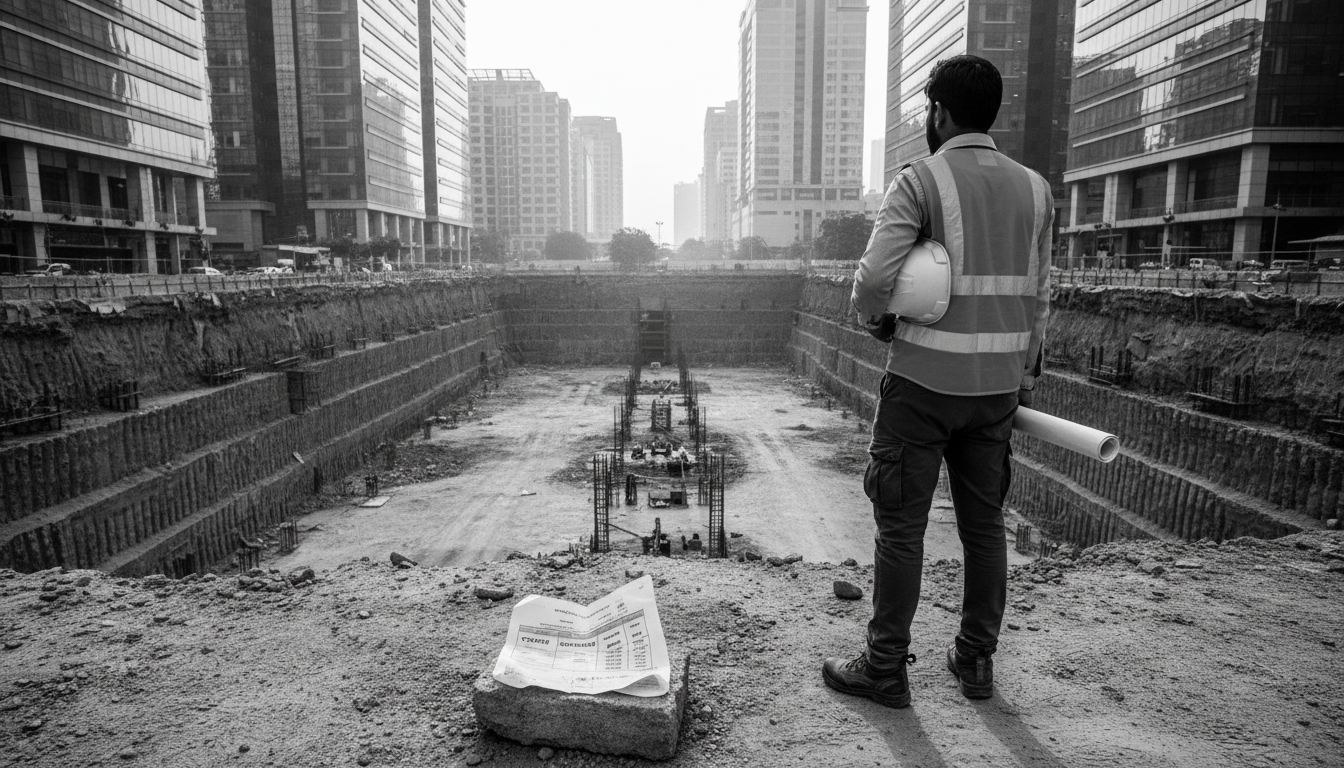
Chalet Hotels just committed roughly $107 million to build a 330-key Ritz-Carlton in one of India's hottest markets. The per-key math, the deal structure, and what it tells you about where luxury development money is actually flowing right now... that's the story worth unpacking.

Hyatt's first Italian address sounds like a milestone. It's really a confession about where they aren't — and a test of whether Regency can mean anything in a city that already has an opinion about hospitality.

While everyone's chasing luxury flagships, IHG dropped voco into Bangkok with a playbook that should terrify Best Western and Radisson. This isn't about one hotel.
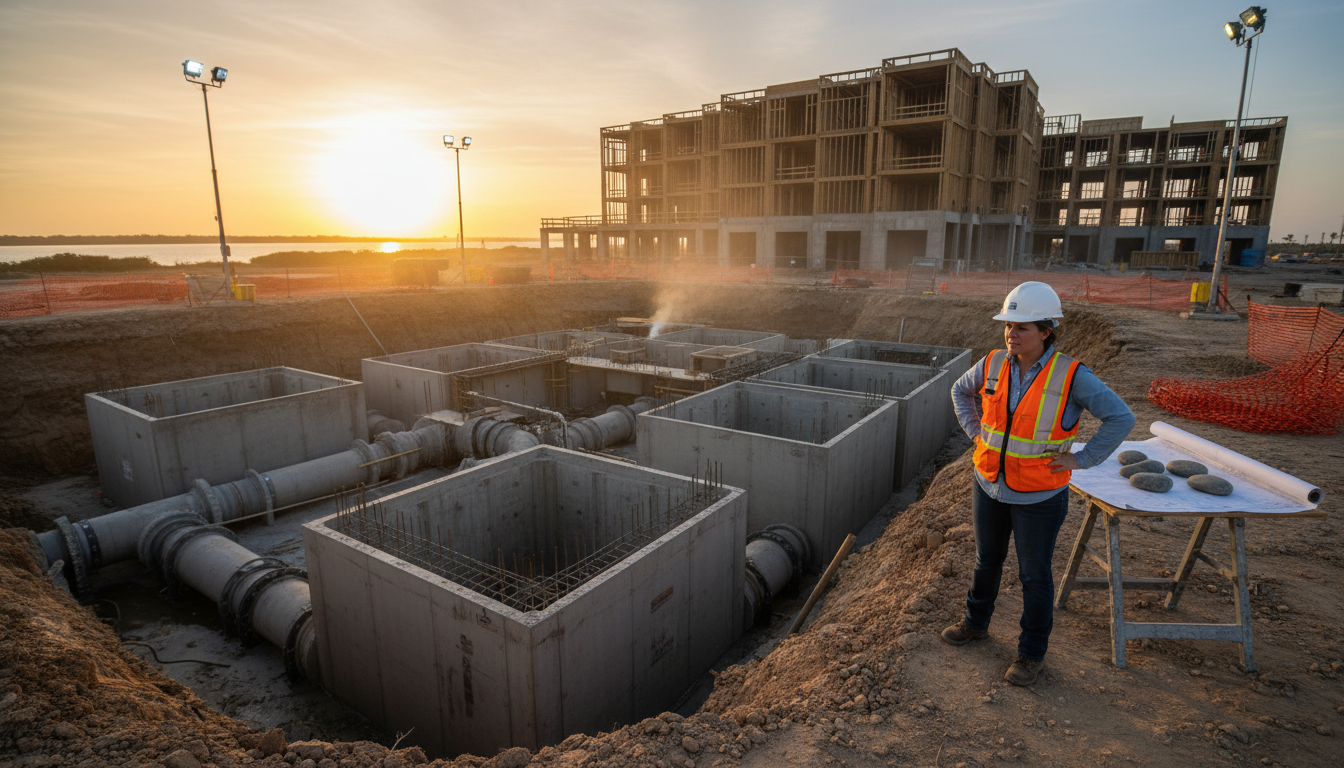
A beachfront Radisson is spending serious money on stormwater infrastructure just to add rooms. If you're planning any coastal expansion, your environmental compliance budget just tripled.