Courtyard is a hotel brand operated by Marriott International, positioned in the upscale limited-service segment. The brand targets business and leisure travelers seeking mid-range accommodations with extended amenities, competing in a crowded market segment that has seen significant growth and consolidation over the past decade.
Courtyard has featured prominently in recent industry discussions regarding Marriott's loyalty program strategy and competitive positioning. The brand's performance and positioning have been referenced in analyses examining how major hotel operators are managing distribution, pricing, and market segmentation amid changing consumer preferences and economic pressures. As part of Marriott's portfolio, Courtyard's strategic direction reflects broader corporate decisions affecting franchise relationships and competitive dynamics across the hotel industry.
The brand remains a significant component of Marriott's midscale offerings, with implications for franchise partners, competing brands, and market observers tracking consolidation and brand rationalization trends in the hospitality sector.

Marriott's end-of-summer credit card push is dangling 150,000 points and $250 cash to new cardholders, and the real beneficiary isn't the traveler collecting points... it's the fee machine that turns your lobby into someone else's loyalty acquisition channel.

U.S. host city hotels averaged 20%+ RevPAR growth during the World Cup, but the numbers underneath tell a more complicated story about rate strategy, demand displacement, and whether a once-in-a-generation event actually taught the industry anything it'll use next month.

Park Hotels just poured $100 million into 404 rooms at the Royal Palm South Beach and is projecting EBITDA will double to $28 million. The question isn't whether the renovation is beautiful... it's whether the ramp-up math survives a market that punishes optimism.
📡
Get the Briefing Every Morning at 6AM
Join hotel operators, owners, and investors who start their day with InnBrief.
Free forever. Unsubscribe anytime. No spam — just signal.

Design Hotels' largest-ever portfolio deal brings 16 Palisociety properties into Marriott Bonvoy for a fixed fee plus performance-based commission. For the owners writing those checks, the question isn't whether the distribution is worth it... it's whether the math still works when loyalty contribution lands at 22% instead of 35%.

Hyatt's first Hyatt Place in South Korea opens in Pangyo, the tech corridor where Marriott's Courtyard is already crushing it at 90% occupancy. The question isn't whether the market can support another 204 keys... it's whether the brand promise survives a market that already knows what "select-service" looks like when it's done right.
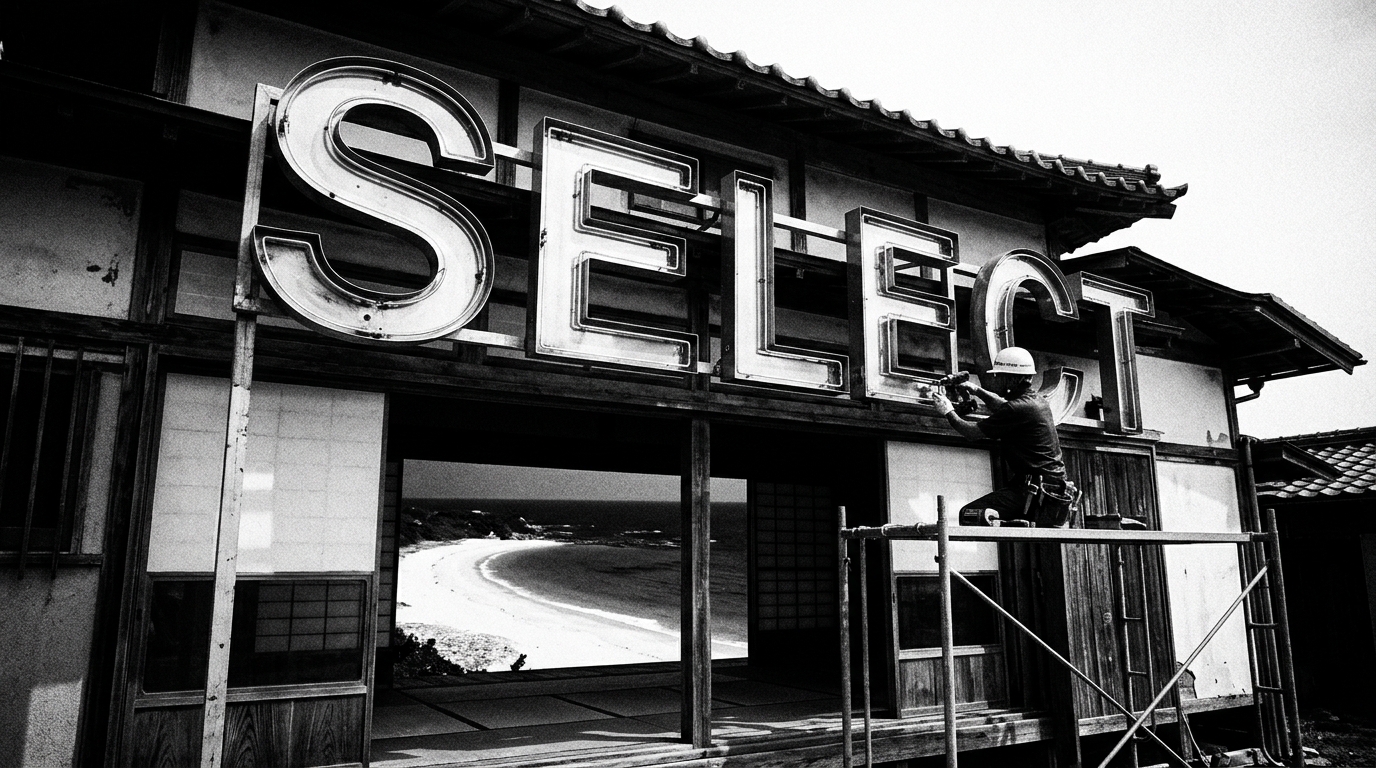
A shuttered Japanese beach hotel reopens as a 170-key Courtyard, and Marriott's real strategy isn't the property... it's the playbook for converting independent resort assets across Asia Pacific at a pace that should make every regional brand nervous.

Airlines are bracing for the most chaotic summer in a decade, and when flights collapse at 11 PM, stranded passengers don't call their congressman. They walk into your lobby. The question is whether you've set your team up to turn that anger into revenue... or just absorb it.

DiamondRock just guided 2026 adjusted FFO to $1.12-$1.18 per share against a FactSet consensus of $0.89, and the gap says less about the company's performance than it does about how poorly the Street was tracking a portfolio that quietly repositioned itself over two years.

Transactions
Primary
May 5
DiamondRock dumps a 189-room Manhattan leasehold at a 13.3% trailing cap rate and cuts full-year guidance by $5.9 million. The stock slide tells you less about the deal than about what investors think comes next.

Mark Hoplamazian told Bloomberg there are "no signs whatsoever" of consumers pulling back on travel. He's not wrong about his portfolio... but if you're running anything below upper-upscale, his reality and yours are diverging faster than most people realize.

Booking.com just exposed guest names, emails, phone numbers, and reservation details to unauthorized third parties... and the phishing emails targeting your guests have already started. The OTA says no financial data was compromised, but the real damage isn't about credit cards.

Two small hotel signings in Nepal and Kashmir don't sound like news. But when a company bleeding 30% of its stock value doubles down on asset-light management deals in politically volatile markets, the math underneath tells a very different story about where mid-scale hospitality is headed.

Marriott and Sun Group are dropping ten hotels into Phu Quoc and Vung Tau by 2030, spanning everything from Moxy to W Hotels. The question isn't whether Vietnam is a growth market... it's whether eight brands in one destination is a portfolio or a pile-up.

Crawford Hoying is betting $84 million on a mixed-use project near Ohio State that includes a 141-room Marriott, 121 apartments, and a parking garage. The per-key math tells a story the press release doesn't.

Marriott's 10-property mega-deal with Sun Group in Vietnam sounds like a brand strategy triumph until you count eight different flags across two destinations and ask who's actually going to deliver on all those distinct brand promises simultaneously.

IHG opened a 419-key voco in Times Square and a 529-key Kimpton six blocks away within three weeks of each other. That's not expansion. That's a bet... and if you're running a competing property in Midtown Manhattan, the math on your comp set just changed.

When a $6 billion investment firm buys 100+ extended-stay hotels in under two years, they're not making a hospitality play. They're making a housing play. And that changes the math for every operator in the segment.

A 100-year-old former hotel turned office just traded for $14.4 million after its previous owner defaulted on a $35.5 million loan. The per-square-foot math tells a story about Oakland that nobody in commercial real estate wants to hear.

Marriott just signed its first New Zealand St. Regis in a market where luxury lodges are crushing it... but the gap between "luxury brand promise" and "luxury brand delivery" has destroyed owners before, and 145 keys in Queenstown is a very specific bet.

Foreign inbound tourism dropped 5.4% in 2025 and it's getting worse heading into 2026. If you're running a full-service property in a gateway city, this isn't a blip... it's a structural shift in your demand mix, and your summer forecast is probably wrong.