DirectBooker Just Plugged Hotel Rates Into ChatGPT. Here's What That Actually Does.
A two-year-old startup with $2M in funding says it's connected five of the ten biggest hotel chains directly into ChatGPT and Claude, promising to bypass OTAs entirely. The technology is real, but the question every operator should be asking is what happens when the AI hallucinates your rate at 2 AM.
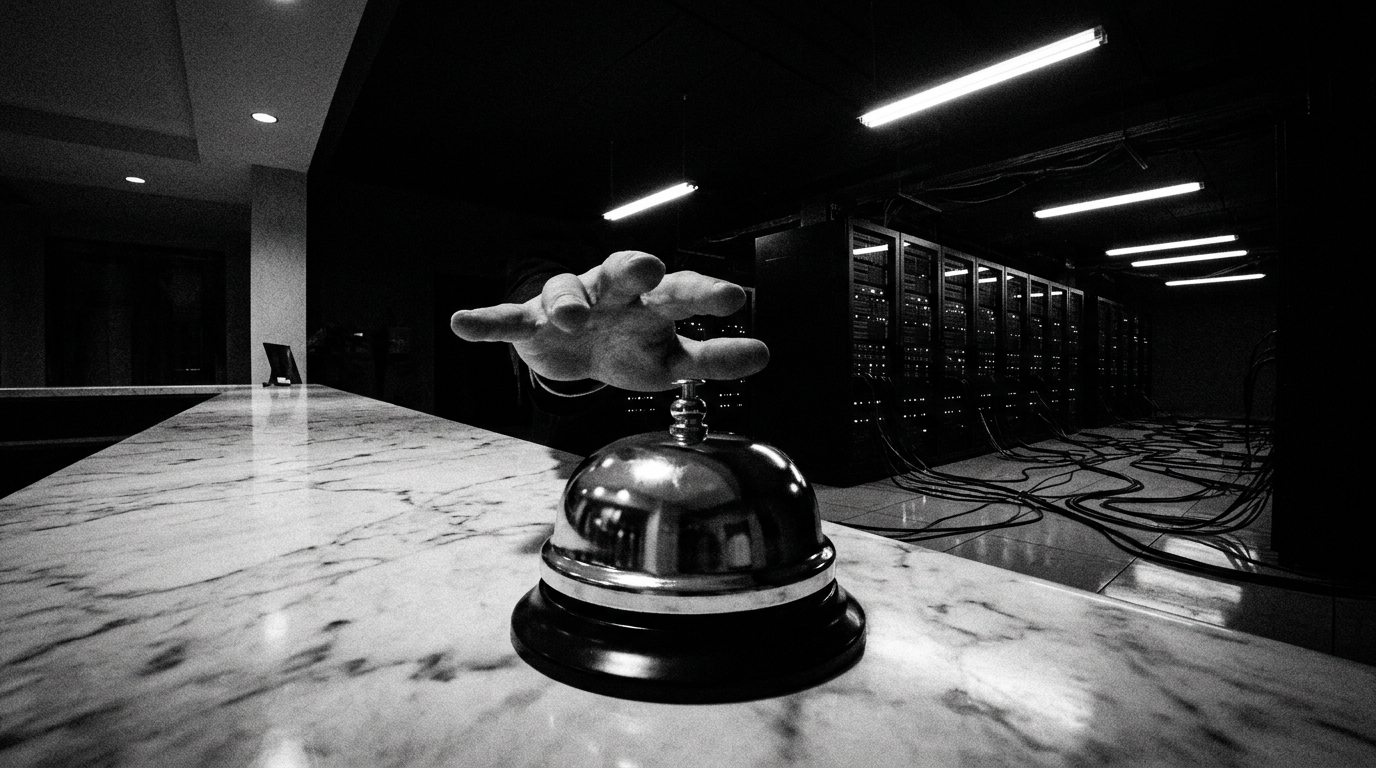
So let me tell you what DirectBooker actually built, because the press release is doing a lot of heavy lifting and the technology underneath deserves a closer look.
They're using something called Model Context Protocol (MCP) to push real-time rates, availability, and inventory directly into large language models like ChatGPT and Claude. That's not trivial. Most AI platforms today pull hotel data from stale training sets or scraped web content... which means when a guest asks ChatGPT "find me a hotel in Nashville this weekend," the rates it surfaces could be days or weeks old, pulled from who-knows-where, with no connection to your actual PMS. What DirectBooker is doing is building a live pipe. Real-time availability. Member-exclusive rates. Direct booking benefits. Structured data fed directly to the model so it doesn't have to guess. That's a genuinely interesting piece of architecture, and the fact that they've got BWH Hotels, Radisson, and three other top-ten chains signed on means the supply side is taking this seriously.
Here's where I start asking questions. DirectBooker is a company founded in 2024 with $2M in pre-seed funding and estimated revenue of about $1M annually. They're building what they call the "invisible infrastructure layer" for direct hotel data inside AI platforms. That's an ambitious description for a company with roughly the annual revenue of a mid-tier hotel's F&B operation. The team has credibility... a co-founder from the company that built the dominant review platform, a former head of travel at the largest search engine... but credibility and production-grade infrastructure at scale are very different things. I've built systems that worked perfectly in demo and fell apart under real load (I carry that experience with me every single day). The question isn't whether MCP is technically sound. It is. The question is what happens when 250 million loyalty members across five chains are generating queries, and the rate-push fails, or lags, or surfaces a price that doesn't match what the guest sees when they land on the booking page. Because that gap... between what the AI tells the guest and what the hotel actually charges... that gap creates a customer service problem that lands on your front desk, not on DirectBooker's.
Look, I want this to work. I genuinely do. The OTA commission structure (15-25% on every booking) has been bleeding independents and branded properties alike for two decades. If AI search becomes the primary way travelers find hotels... and the data suggests that shift is already happening, with organic traffic to travel sites dropping 20-40% year-over-year while AI-referred visitors convert at 4.5x higher rates... then getting your direct rates into that channel before the OTAs do is strategically critical. But I've been in this industry long enough to know that "once-in-a-generation window" is what every travel tech startup says when they want you to move fast and not ask too many questions. The OTAs aren't sitting still. When OpenAI demoed its hotel booking agent mode last year, it pulled from Booking.com. Not from direct hotel feeds. The default path for AI-mediated booking is going to flow through whoever has the most structured, most reliable data already in the pipe... and right now, that's the OTAs, not a pre-seed startup. DirectBooker is racing to change that, and the race matters, but let's not pretend it's already won.
The independent hotel angle is the part I'm watching closest. DirectBooker says they're working with integration providers like SiteMinder, Mirai, and eviivo to include boutique and independent properties. That's the right move... but the implementation complexity for a 90-key independent with a PMS from 2017 and WiFi infrastructure held together with optimism is fundamentally different from plugging in a major chain with a centralized CRS. My family's hotel... would my dad sign up for this? He'd ask three questions: what does it cost, what happens when it breaks, and who do I call at midnight? If the answers are vague, he's out. And he'd be right to be.
The technology is real. The architecture is sound. The strategic timing is arguably perfect. But the distance between "live app in ChatGPT" and "reliably driving direct bookings at scale for properties that need it most" is enormous, and it's paved with every integration failure, rate discrepancy, and 2 AM system outage that this industry has ever produced. I'll be watching the actual booking conversion numbers, not the press releases. Show me the data in six months. Then we'll talk.
Here's what to do right now. If you're a branded GM at one of these five chains, find out from your corporate tech team whether your property's rates are being pushed through this integration and verify the data is accurate. Don't wait for a guest to show up quoting a price ChatGPT gave them that doesn't match your PMS. If you're an independent owner, don't sign anything yet... but get on SiteMinder's or Mirai's radar and ask specifically about their AI distribution roadmap. This channel is coming whether you're ready or not. The operators who figure out their direct booking data feed into AI platforms in 2026 are the ones who won't be paying the OTAs 20% on AI-referred bookings in 2028. This is what I call the Vendor ROI Sentence... if DirectBooker (or any vendor in this space) can't tell you in one sentence how their product reduces your OTA commission spend per booking, it's a pitch, not a solution. Ask for the sentence. Then check the math.