Loyalty programs represent a critical revenue and customer retention mechanism for hotel operators, functioning as direct relationships between properties and guests that bypass traditional distribution channels. These programs generate incremental spending through point redemptions, elite tier benefits, and co-branded credit card partnerships, while simultaneously providing operators with first-party data on guest behavior and preferences. Major chains including Marriott International have increasingly leveraged loyalty programs as conversion funnels to drive flag proliferation and property-level profitability rather than traditional brand differentiation.
The competitive landscape around loyalty programs has shifted significantly as technology platforms and alternative hospitality models challenge traditional hotel-centric approaches. Operators face pressure to integrate loyalty mechanics with emerging technologies like AI-driven personalization and voice commerce, while managing the tension between program generosity and margin protection. The strategic importance of loyalty programs extends beyond guest acquisition to encompassing brand switching dynamics, ancillary revenue opportunities, and competitive positioning against non-traditional travel intermediaries.

Major hotel companies doubled their brand counts in a decade chasing Wall Street's favorite metric: net unit growth. The problem isn't that they built too many brands. It's that they built too many brands that don't mean anything.

Business travel demand is supposedly back. But the midweek stays that used to pay the bills? They're running about half a night shorter than 2019. That's not a rounding error. That's a structural change to your P&L.

Hilton is expanding its luxury, lifestyle, and all-inclusive resort portfolio at a dizzying pace, and the marketing language sounds gorgeous. But when a brand promises "purposeful, immersive journeys," the question isn't whether guests want that... it's whether the owner in Cancún can afford to deliver it.
📡
Get the Briefing Every Morning at 6AM
Join hotel operators, owners, and investors who start their day with InnBrief.
Free forever. Unsubscribe anytime. No spam — just signal.

Berenberg just slapped a buy rating on IHG and called it a quality compounder. Wall Street loves the stock. But the numbers underneath tell a very different story depending on which side of the management agreement you're sitting on.

Hyatt is running a modest promotional campaign for its Inclusive Collection during the busiest travel window in Latin America. The real story isn't the discount. It's what a 150-resort portfolio does to the loyalty math when you barely have to try.

IHG's 2025 annual report is a masterclass in asset-light financial engineering... record openings, 65% fee margins, nearly a billion in buybacks. But if you're the owner actually running one of those million rooms, the math looks very different from where you're sitting.

A Grand Hyatt resort just told guests that only Jewish customers could access a specific breakfast venue... and what sounds like discrimination is actually something much more common and much more instructive: a brand quietly gutting loyalty perks while the front desk takes the heat.

A travel blogger just squeezed 1.3 cents per point out of Hilton Honors... more than double the standard valuation. That's great for the guest. Now let's talk about what Hilton's 2026 loyalty overhaul actually costs the person who owns the building.

Marriott's first JW all-inclusive signals a franchise model shift that every owner in the luxury pipeline should be reading very carefully.

IHG launches another collection brand to keep conversion momentum alive. But when the sign changes faster than the experience, who exactly benefits?

Wall Street is raising price targets on BKNG again. The earnings math is real. But the question nobody's asking is what happens to the take rate when the hotels fight back.
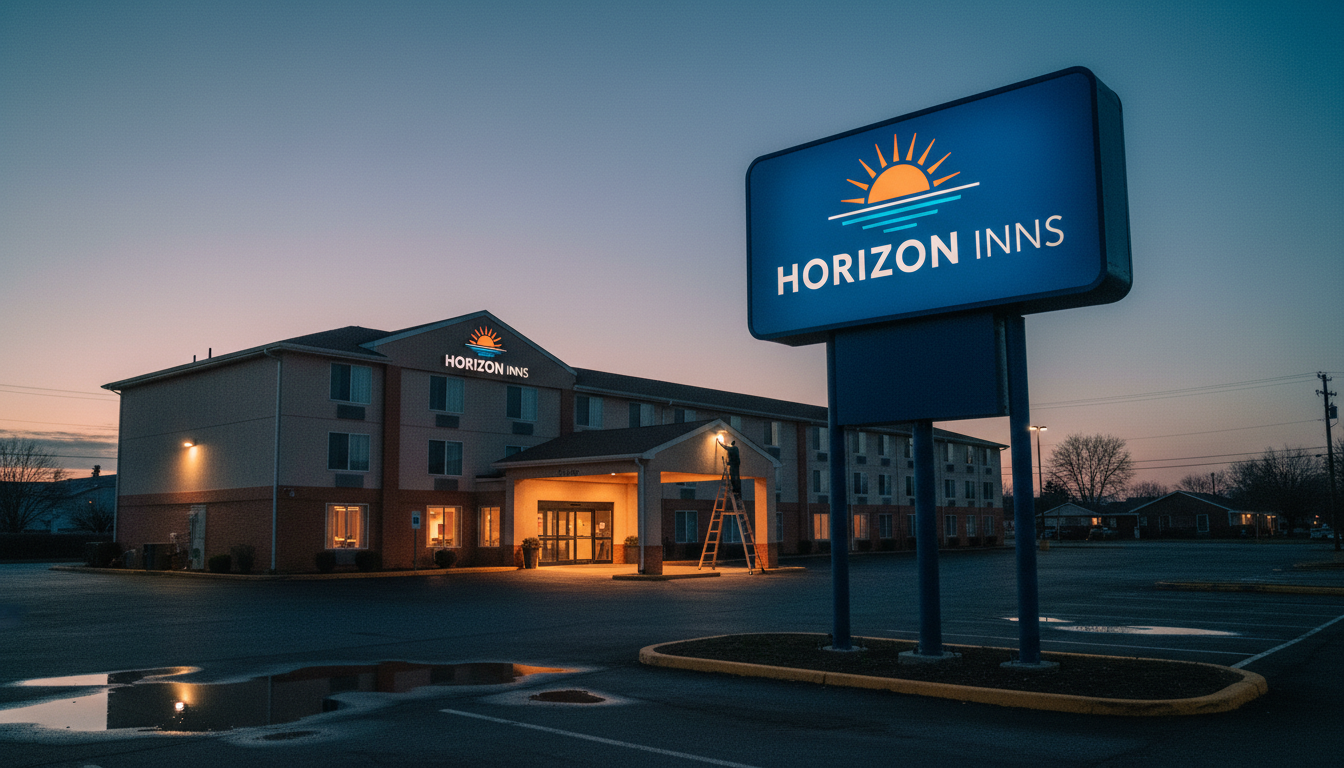
Marriott's massive APAC pipeline sounds like expansion. The franchise agreements tell a different story about who's actually bearing the risk.
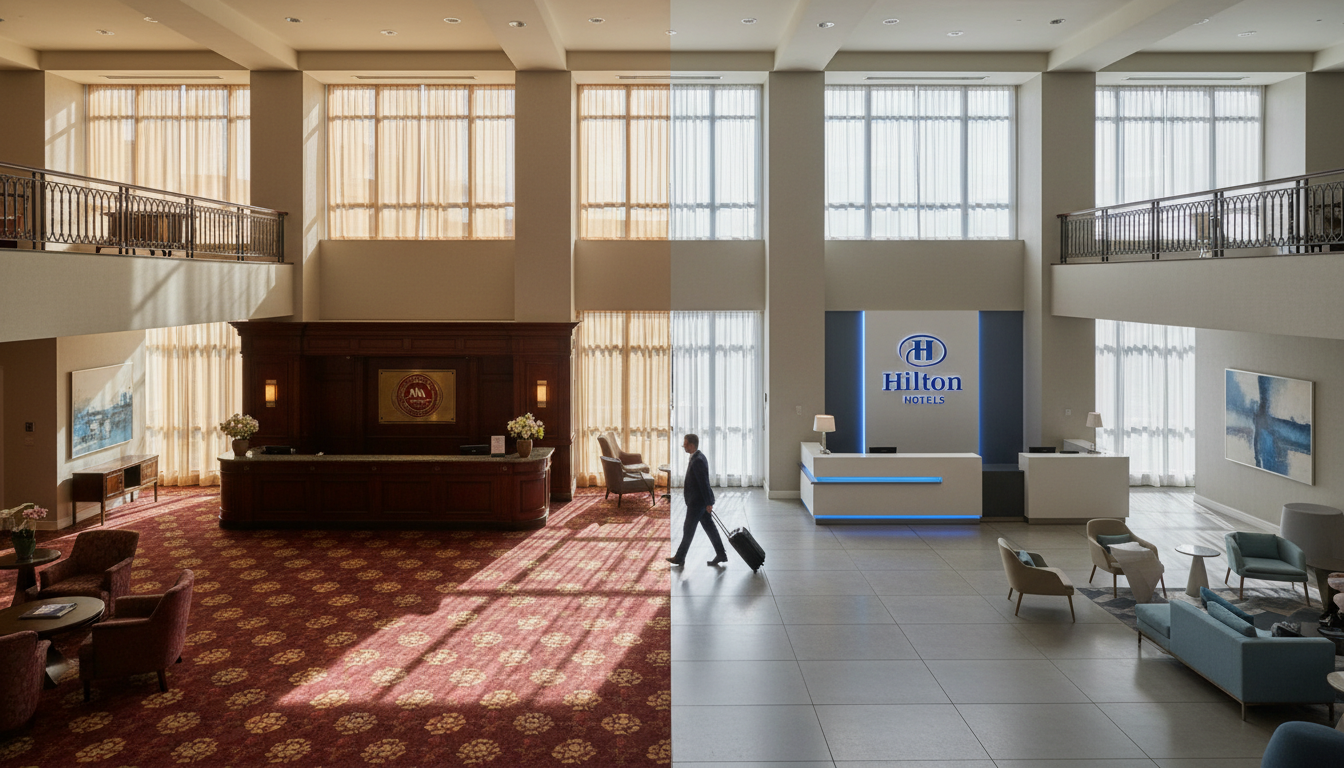
While Hilton's CEO celebrates new brands and conversion growth, the real story is what this says about how guests choose hotels in 2024 — and why your brand flag might matter less than you think.

While most hoteliers debate whether AI is real or hype, Hyatt just launched a ChatGPT app. The gap between forward-thinking brands and everyone else isn't closing — it's accelerating.
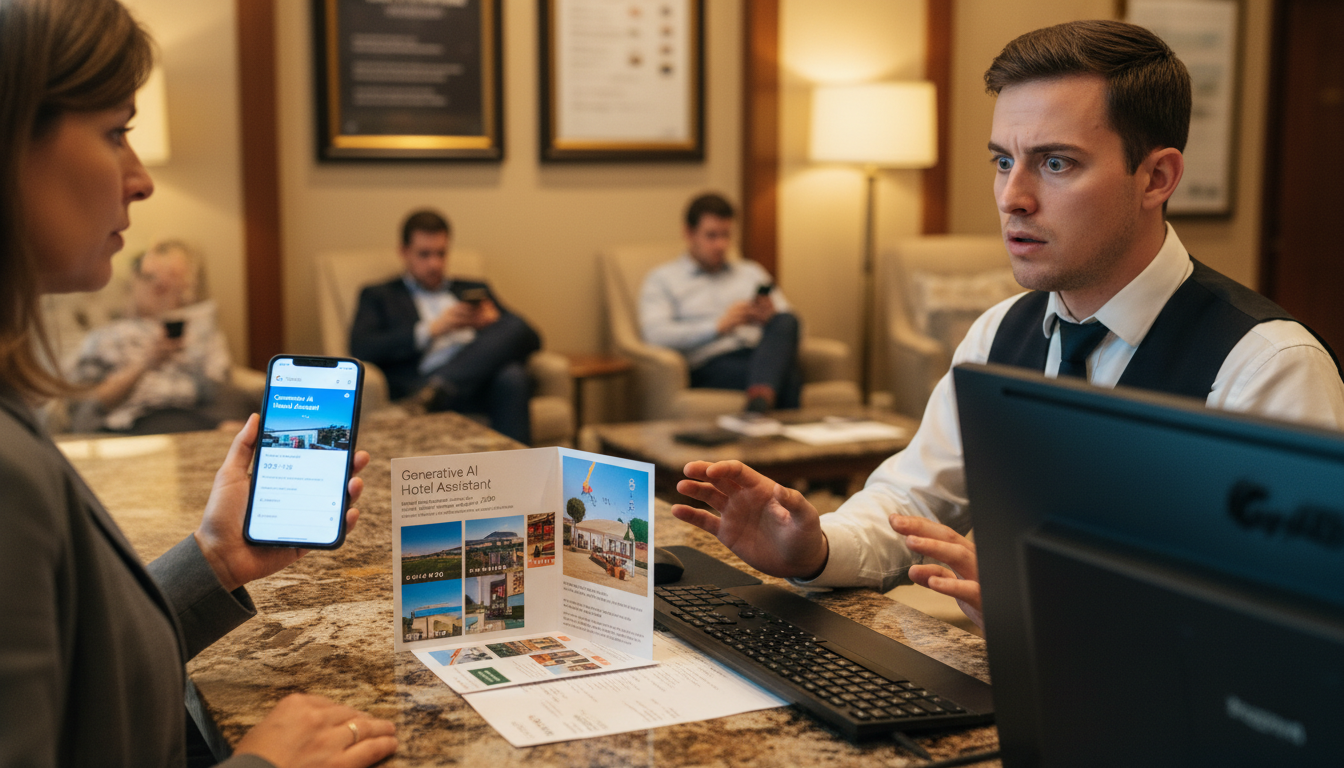
Marriott's new AI booking deal with Google changes everything about how guests find and book hotels — and who gets paid for it.

While hotels chase points and elite status complexity, Corona Resort just cracked the code on premium mass market players. Their approach should make every GM rethink guest segmentation.