Loyalty programs represent a critical revenue and customer retention mechanism for hotel operators, functioning as direct relationships between properties and guests that bypass traditional distribution channels. These programs generate incremental spending through point redemptions, elite tier benefits, and co-branded credit card partnerships, while simultaneously providing operators with first-party data on guest behavior and preferences. Major chains including Marriott International have increasingly leveraged loyalty programs as conversion funnels to drive flag proliferation and property-level profitability rather than traditional brand differentiation.
The competitive landscape around loyalty programs has shifted significantly as technology platforms and alternative hospitality models challenge traditional hotel-centric approaches. Operators face pressure to integrate loyalty mechanics with emerging technologies like AI-driven personalization and voice commerce, while managing the tension between program generosity and margin protection. The strategic importance of loyalty programs extends beyond guest acquisition to encompassing brand switching dynamics, ancillary revenue opportunities, and competitive positioning against non-traditional travel intermediaries.

IHG wants to triple its India footprint to 400 hotels by 2031, and Holiday Inn is doing most of the heavy lifting. The question nobody at headquarters seems to be asking is whether a brand built for American interstate highways can carry the weight of India's most complex leisure markets.
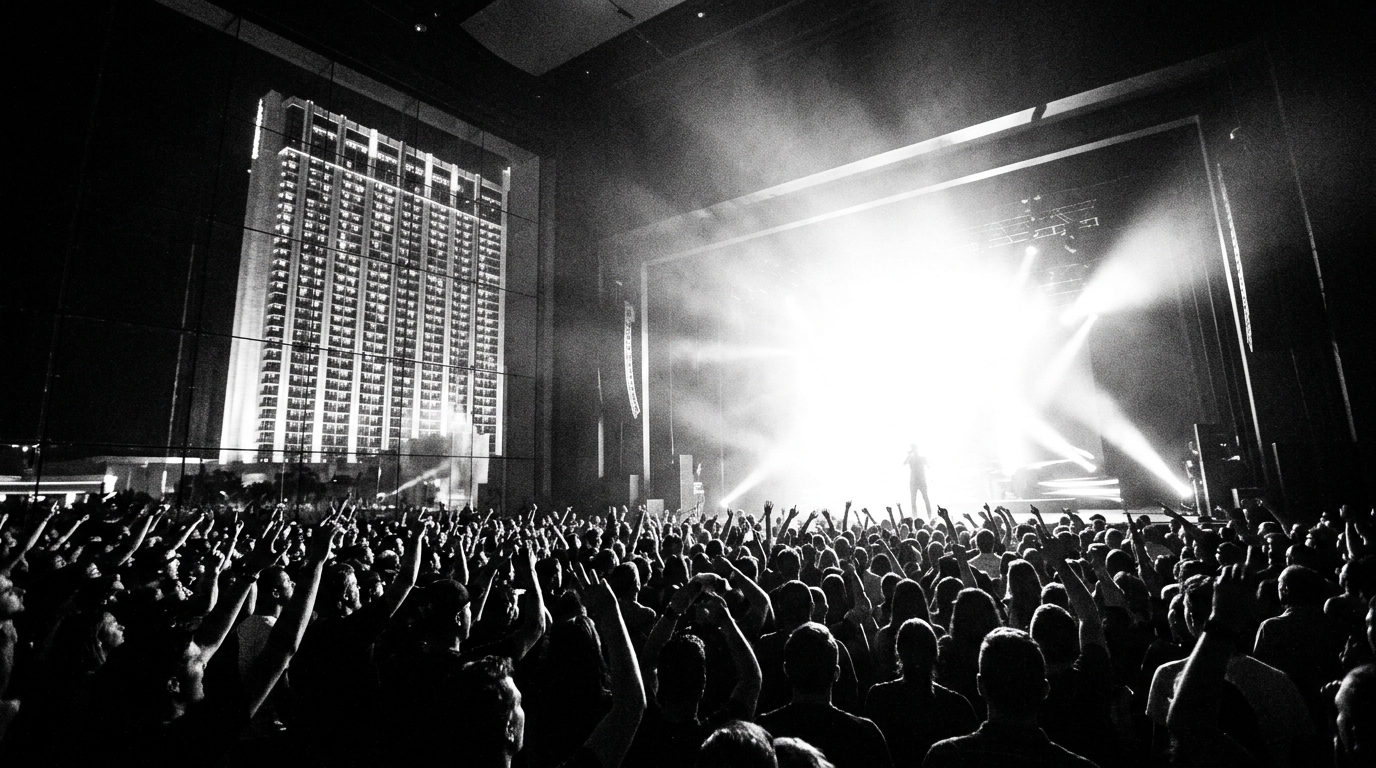
Regional casinos are stacking their entertainment calendars like they're competing with Live Nation, not each other. If you're a non-gaming hotel within three miles of one, your weekend demand pattern just got rewritten and nobody sent you the memo.

Hilton just opened the first of five Malaysian properties planned for 2026, dropping 261 keys into a market adding nearly 4,000 rooms. The math behind this move tells you everything about where the major brands think the next decade of growth lives.
📡
Get the Briefing Every Morning at 6AM
Join hotel operators, owners, and investors who start their day with InnBrief.
Free forever. Unsubscribe anytime. No spam — just signal.
Disney World just pushed peak single-day tickets to $209 and raised hotel rates 4-5% for 2026, and most guests barely noticed. If you're still agonizing over a $7 rate increase on your best-selling room type, you're playing a different game than the people who are winning.

Hilton and Radisson are racing to plant flags across India's Tier II and III cities with massive franchise commitments that look incredible on a pipeline slide. The question nobody's asking is whether a Hampton by Hilton in a city most global travelers can't find on a map delivers enough to justify what the owner just signed up for.
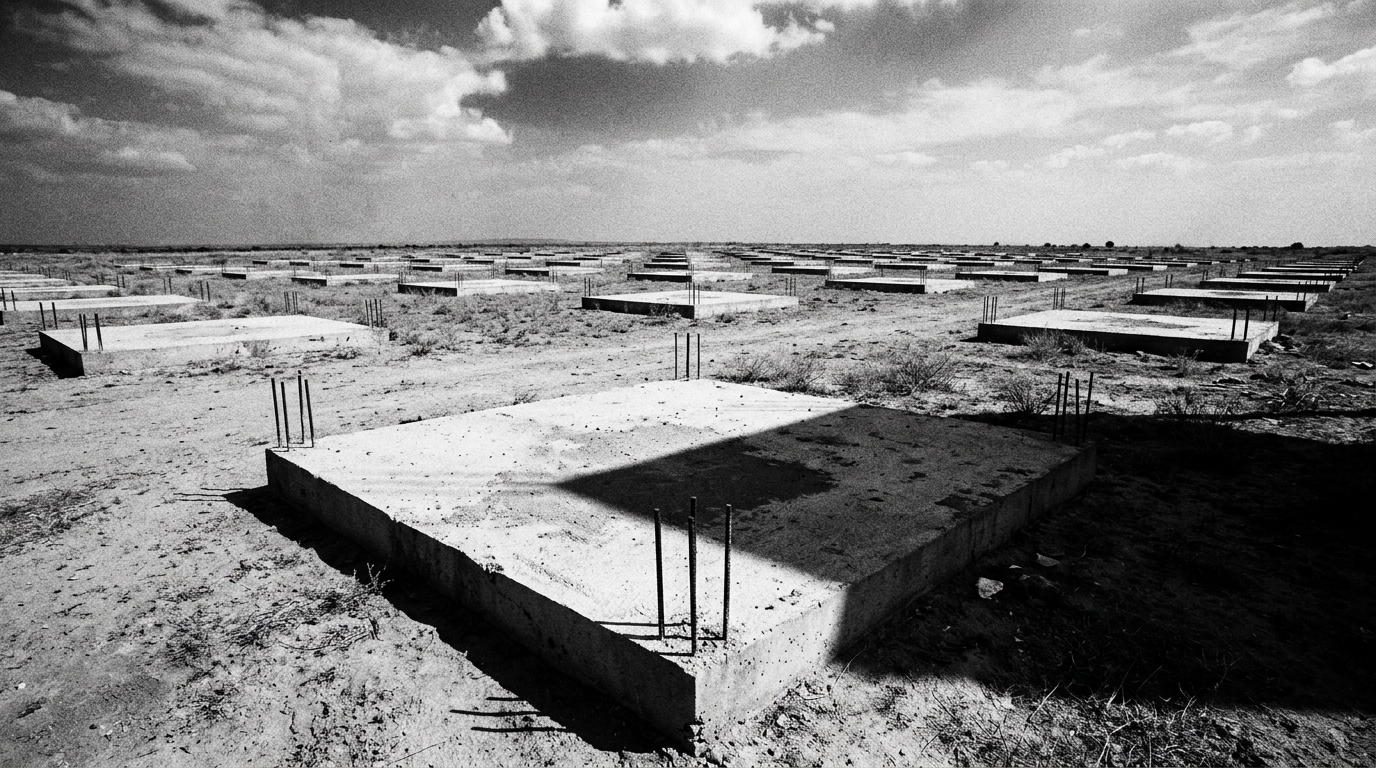
Hilton's franchise deal with Royal Orchid Hotels to open 125 Hamptons across India by 2035 is the third massive pipeline announcement in the country in barely a year. The question every brand strategist should be asking isn't whether the math works on paper... it's whether 125 properties can deliver a consistent Hampton experience in markets where the labor pool, infrastructure, and guest expectations look nothing like what Hampton was designed for.

IHG's stock just dipped below its 200-day moving average while the company is actively buying back nearly a billion dollars in shares. When a company with 6,000-plus hotels decides the best use of its cash is making itself smaller, every franchisee should be asking what that says about the growth story they were sold.

Hyatt is celebrating a decade of its Unbound Collection with four new Americas properties and a pipeline that sounds gorgeous on paper. The real test isn't whether these hotels are beautiful... it's whether the owners joining the collection are getting what they were sold five years ago.
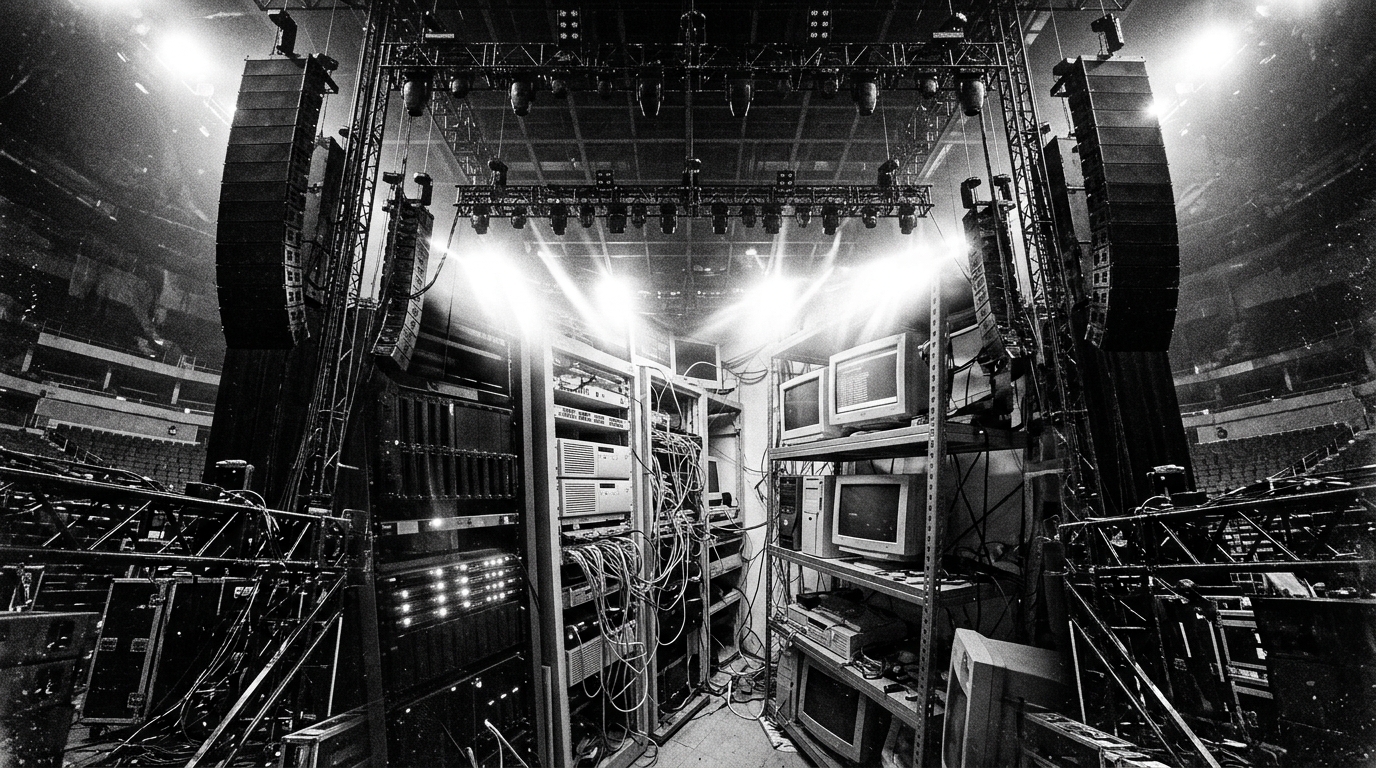
Tribal gaming just crossed $43.9 billion in revenue and casinos are pouring hundreds of millions into concert venues and entertainment expansions. The question nobody's asking is whether the property-level technology can actually handle what happens when 3,000 people show up expecting a seamless experience.

Marriott and Hilton are sitting on a combined $7 billion in unredeemed loyalty points, and executives are calling it a sign of strength. The owners writing checks for loyalty program fees every month might have a different word for it.

Wyndham just signed a 120-key luxury hotel in North Goa targeting a Q4 2029 opening, doubling down on a market that was the only major Indian destination showing RevPAR declines as recently as late 2025. The confidence is impressive... the question is whether the math justifies it or the ambition is doing the heavy lifting.

Booking Holdings' stock cratered from its highs even as it posted record revenue and 9% room night growth. If you're an operator hoping Wall Street's bad mood means cheaper distribution, I've seen this movie before... and the ending hasn't changed.

Citi is slashing ThankYou Points transfer rates to Choice Privileges and Preferred Hotels by up to 50%, effective April 19. If you think this is just a credit card story, you're not paying attention to what's happening to the loyalty pipeline that feeds your front desk.

Citi ThankYou's devaluation of transfers to Choice Privileges and I Prefer isn't just a credit card story... it's a brand distribution story, and the owners relying on loyalty contribution to justify their franchise fees are about to feel it in a place the FDD never warned them about.

Caption by Hyatt just opened a 123-room lifestyle hotel in the same Chattanooga district as the 64-room Kinley, and there are 460 more rooms under construction downtown. If you're an operator in a secondary market watching new supply creep into your comp set, this is what the first twelve months actually look like.
Radisson's 100-hotel milestone across Africa sounds like a victory lap, but 3,000 rooms added through conversions in five years tells a different story about what "growth" actually means when new-build financing has dried up and the real test is whether the flag delivers enough to justify the fee.
IHG just announced a $950 million buyback on top of $1.2 billion in total shareholder returns for 2026, and the pipeline keeps growing. The question every franchisee should be asking is whether any of that capital discipline is flowing back to the people who actually deliver the brand promise every night.
Cloudbeds' 2026 report confirms what every independent operator already feels in their gut: OTAs now control nearly two-thirds of independent hotel bookings, ADR dropped almost 6%, and the gap between independents and branded properties is widening fast. The question isn't whether this is a problem... it's whether you're going to do something about it before the next 5% disappears.

Disney World is now checking credentials before you can board a bus to its hotels, and they're calling it temporary. It's not temporary. It's the clearest signal yet that the biggest operator in hospitality is done pretending all guests are equal.
Disney just turned a $21 million Malibu beach house into a free Airbnb listing to promote a 20-year-old kids' show. The marketing genius isn't the giveaway... it's what it reveals about where "hospitality" is heading when entertainment companies start thinking like hoteliers.