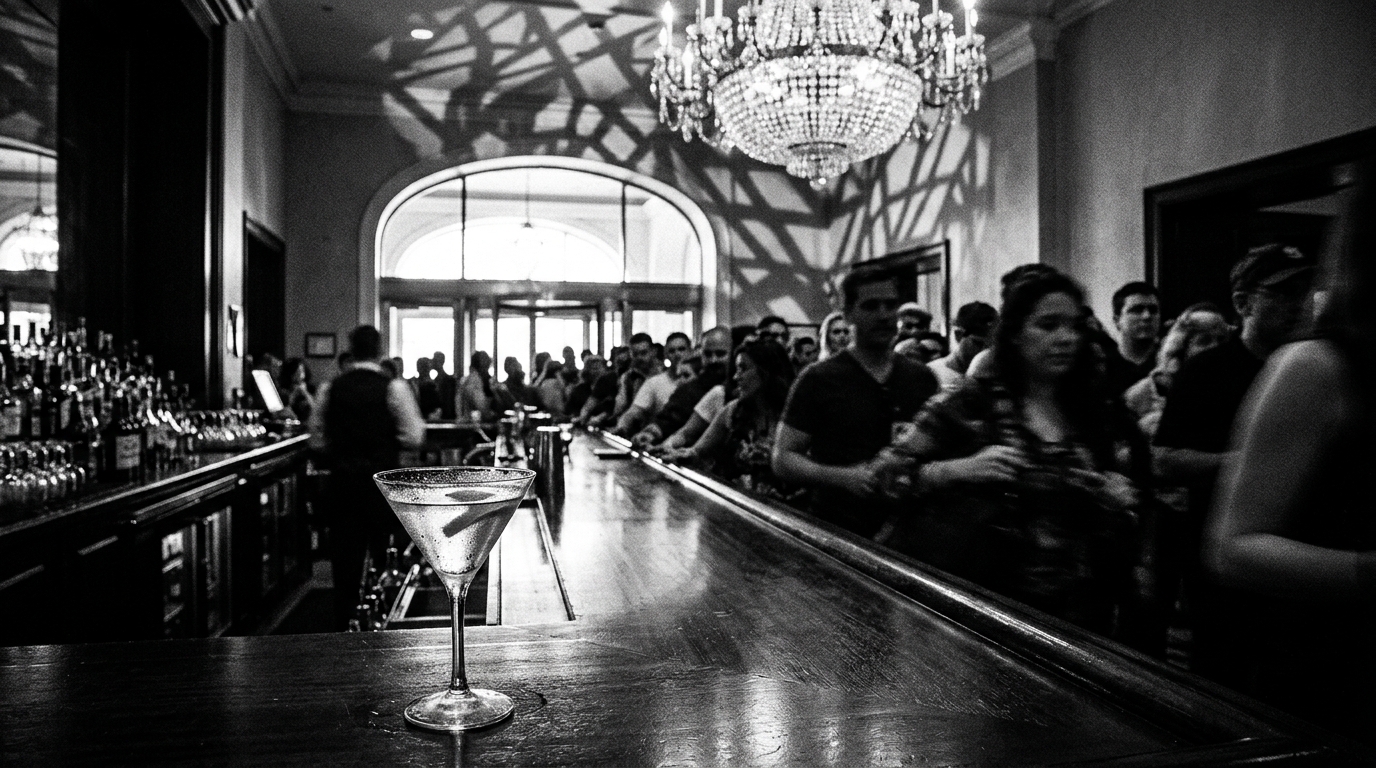
Experiential dining represents a hospitality concept that prioritizes immersive, memorable meal experiences over traditional food service. These offerings integrate entertainment, storytelling, interactive elements, or unique environments into the dining experience, often commanding premium pricing and generating additional revenue streams for hotel operators.
For hotel operators, experiential dining serves multiple strategic functions. It differentiates properties in competitive markets, extends guest stay value beyond room nights, and creates social media-worthy moments that drive organic marketing. Lifestyle and luxury brands increasingly leverage experiential dining concepts to justify rate premiums and strengthen brand positioning. The model also enables hotels to capture incremental revenue from both in-house guests and external diners seeking distinctive culinary experiences.
Hotels implementing experiential dining concepts must balance operational complexity, staff training requirements, and consistency standards against revenue potential. Success depends on alignment with brand positioning and target guest demographics. The concept has gained particular traction among upscale and lifestyle hotel brands seeking to enhance their value proposition and compete with standalone experiential venues.
A cocktail bar pop-up at a luxury hotel in India sounds like fluff news. It's not. It's a blueprint for how hotels can stop losing the F&B battle to independent restaurants... if they're willing to let someone else drive.
Kimpton's opening a pet-friendly property in Qatar — a market where most locals don't own dogs. Here's what this really tells us about lifestyle brand expansion.
📡
Get the Briefing Every Morning at 6AM
Join hotel operators, owners, and investors who start their day with InnBrief.
Free forever. Unsubscribe anytime. No spam — just signal.
The InnBrief Daily
92% open rate — operators read this.
Hotel industry intelligence in your inbox every morning at 6AM. No fluff.