A $3 Bet Paid $281K. The Real Winner Is the Casino's Marketing Budget.
A penny slot jackpot at a tribal casino near San Diego is making headlines, but the story worth paying attention to is the $180 million hotel tower behind it and what that tells you about where gaming revenue actually comes from.
Every casino GM I've ever known keeps a mental list of jackpot stories. Not because they're happy for the winner (they are, genuinely, most of them). Because every six-figure payout on a penny slot is a press release that writes itself. A guy drops $3 into a Frankenstein-themed machine at Jamul Casino outside San Diego, hits for $281,144, and suddenly every local news outlet in Southern California is running free advertising for the property. You can't buy that kind of exposure. And you don't have to... the slot math already paid for it.
Here's what caught my eye. Jamul reportedly averages around 200 jackpots a day and has paid out north of $37.8 million since April 2024. That's not a lucky streak. That's a floor configuration and payout strategy designed to generate exactly this kind of headline on a regular basis. A month before this hit, someone pulled $630,069 on a different machine at the same property. Two massive payouts in three weeks from a casino that isn't even one of the big Strip players. That's not coincidence. That's a marketing engine disguised as a gaming floor.
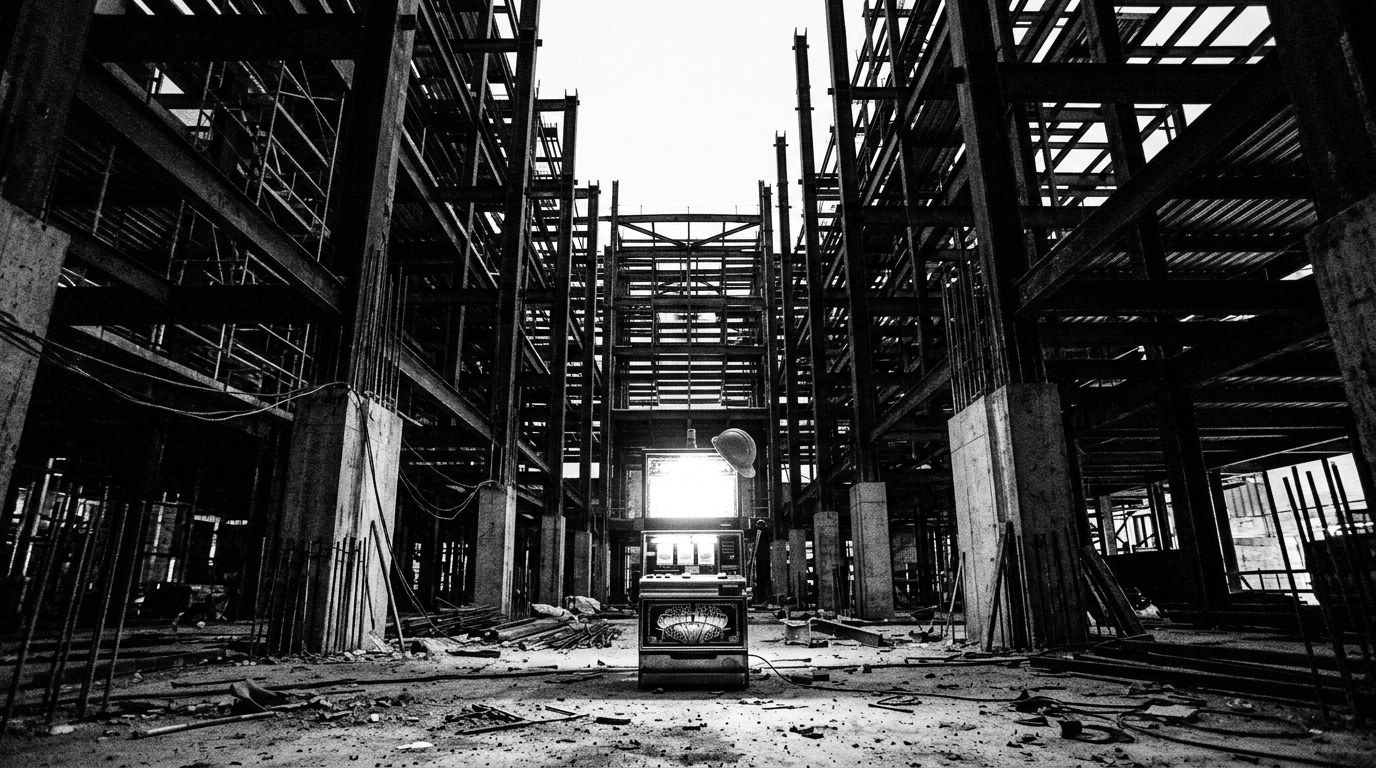
And that marketing engine is feeding something much bigger. Jamul is in the middle of a $180 million expansion that includes a hotel tower... taking them from a standalone gaming operation to a full-service resort destination. That's the real story. The jackpot headlines are the sizzle. The hotel tower is the steak. Because once you add rooms, you're not just competing for gaming visits anymore. You're competing for the overnight guest, the group business, the F&B spend, the spa revenue, all of it. The economics of the entire operation shift when heads hit pillows.
I've watched this transition play out at tribal gaming properties across the country. The ones that get it right understand that the hotel isn't an amenity... it's a revenue multiplier. A gaming guest who drives home after four hours behaves completely differently than one who's staying the night. The overnight guest eats two meals, maybe hits the bar, gambles longer because there's no drive home, and is exponentially more likely to return. The ones that get it wrong build the tower, staff it like an afterthought, and wonder why their TripAdvisor scores are dragging down the whole brand they just spent $180 million building.
The challenge for properties like Jamul is that going from a casino operation to a casino resort operation is not just a construction project. It's a cultural transformation. You need housekeeping leadership, rooms division experience, revenue management discipline, and a front desk team that understands hospitality... not just gaming. The skill sets are adjacent but they are not the same. I've seen casino properties hire brilliant hotel operators and then undermine them because the gaming side thinks the hotel is just overflow parking for the slots. And I've seen hotel operators walk into casino environments and completely misread the guest expectations because the casino guest isn't a hotel guest who happens to gamble... they're a different animal entirely.
If you're running operations at a gaming property that's adding or expanding hotel rooms, here's the thing I'd be thinking about right now. Your gaming floor already has a culture, a rhythm, a staff that knows how to deliver. The hotel operation you're building next to it is a completely different discipline. Don't assume the gaming team's energy automatically translates to hospitality excellence... cross-train deliberately, hire hotel people who understand (or can learn) the gaming guest, and make sure your rooms director has real authority, not just a title underneath a casino VP who thinks the hotel is a cost center. The properties that nail this transition are the ones where the hotel operation is treated as a profit center from day one, with its own P&L accountability and a GM who reports high enough to actually make decisions. The ones that stumble are the ones where the hotel is an afterthought funded by gaming revenue and managed by committee.