Hyatt Just Put Grand Hyatt on an All-Inclusive Menu. The Owners Better Hope the Math Isn't Fantasy.
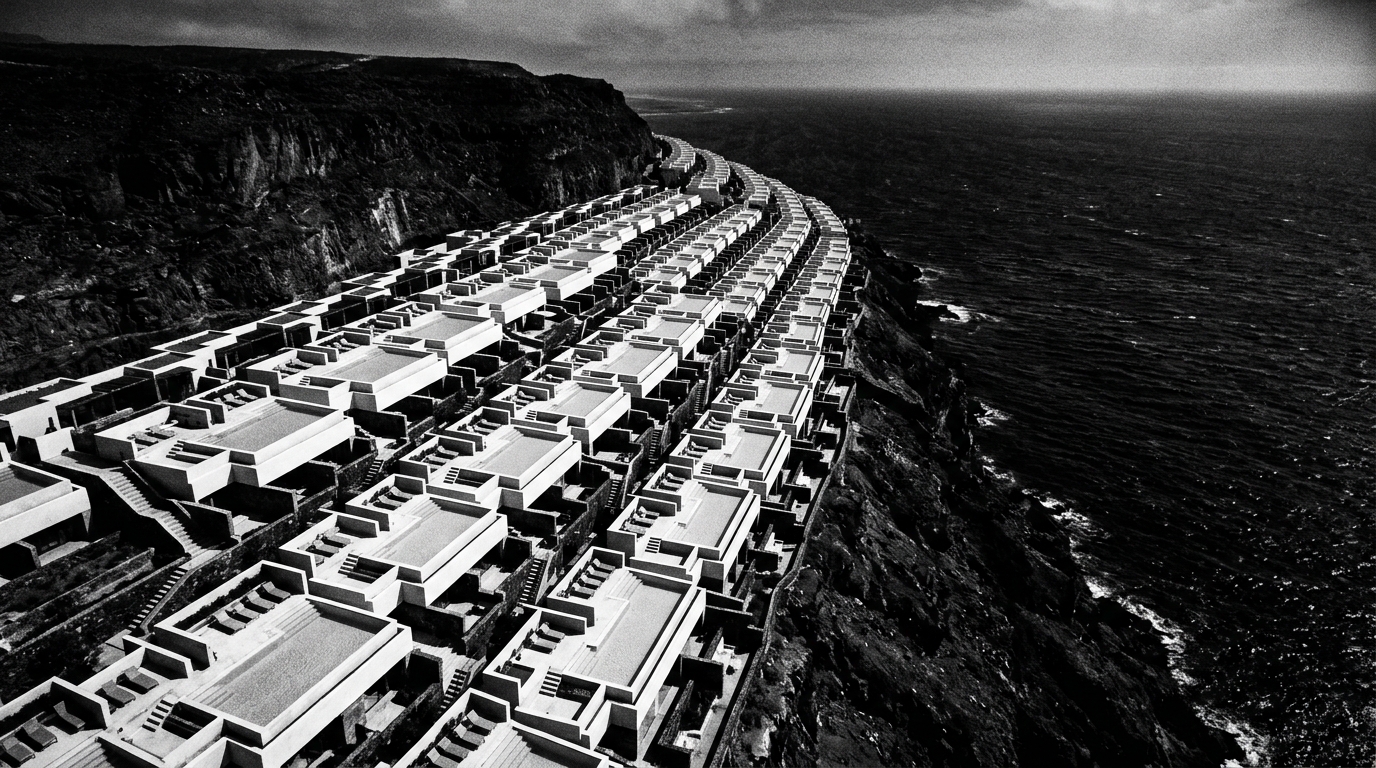
The first Grand Hyatt all-inclusive opens for bookings in Los Cabos at $500 a night and 55,000 World of Hyatt points. The question isn't whether the resort looks stunning... it's whether the franchise projections that convinced the owner to build a 301-key all-inclusive in a market flooding with luxury supply will hold up three years from now.
I grew up watching my dad deliver brand promises that somebody else wrote on a PowerPoint slide in a corporate office 1,500 miles from his lobby. So when I see Hyatt announcing that Grand Hyatt is now an all-inclusive brand... not just a Grand Hyatt with a meal plan bolted on, but a genuine all-inclusive repositioning of one of their flagship nameplates... I have feelings. And the feelings are complicated, because this is simultaneously one of the smartest brand moves I've seen in years and one of the most dangerous bets an owner can make right now. Let me explain both, because both are true, and pretending otherwise helps nobody.
The smart part first, because credit where it's due. Hyatt spent roughly $5.3 billion acquiring Apple Leisure Group and Playa Hotels & Resorts to build an all-inclusive machine, and they've been running it through their Inclusive Collection labels... Dreams, Secrets, Breathless... brands that perform well but don't carry the same weight as the core Hyatt portfolio. Putting "Grand Hyatt" on an all-inclusive property is a statement. It says this isn't a side hustle. It says the all-inclusive model has earned a seat at the grown-up table. And frankly, the numbers support the confidence... 7.4% Net Package RevPAR growth in Q1 2026 for their all-inclusive portfolio, outperforming most of their traditional segments. Hyatt looked at where the money is moving and followed it. That's not revolutionary. That's competent strategy executed well. (I know, I know... "competent strategy executed well" doesn't make for a sexy press release. But in this industry, it's rarer than you'd think.)
Now the dangerous part. This 301-key resort in Los Cabos is owned by Parks Hospitality Holdings, which means someone who is not Hyatt is holding the real estate risk on a property where the all-inclusive model demands massive operational complexity... 11 dining outlets, 6 pools, a championship golf course, 20,000-plus square feet of event space... all of which have to be staffed, maintained, and delivered at a quality level that justifies a $500-per-night cash rate. That's not a room rate. That's a promise that every meal, every drink, every pool towel, every interaction will feel like $500 a night. I've watched owners take on that kind of promise before. I sat across from a family once who flagged with a major brand, took on millions in PIP debt based on projections that turned out to be optimistic by a third, and lost everything when actual loyalty contribution came in at 22% instead of the promised 35-40%. The grandmother was at that meeting. She didn't say anything. She didn't have to. And here's what keeps me up at night about this Los Cabos property... Hyatt is simultaneously announcing a Park Hyatt all-inclusive in Riviera Maya with the same opening timeline. Two ultra-luxury all-inclusive properties, same company, same region, same target guest, launching within months of each other. If you're the owner of the Grand Hyatt, you're not just competing with Secrets and Dreams and every other all-inclusive in the Caribbean basin. You're competing with Hyatt's own Park Hyatt down the coast. At what point does internal portfolio strategy become internal cannibalization? (I've seen this movie before. The brand calls it "complementary positioning." The owners call it "fighting over the same guest with different logos.")
Here's the part that nobody's talking about, and it matters more than the renderings. Hyatt has been very clear about their asset-light strategy... they want 80% of EBITDA from fees, and they plan to sell off the Playa properties they just acquired. That means Hyatt's financial exposure to whether this all-inclusive model actually delivers is increasingly limited to franchise and management fees. The owner holds the building, the debt, the staffing headaches, the F&B cost volatility, the seasonal demand swings. Hyatt holds the brand and the loyalty pipe. When Net Package RevPAR grows 7.4%, both parties celebrate. When it doesn't... and in a market like Los Cabos where luxury supply is expanding rapidly, "when" is the right word, not "if"... the owner absorbs the hit while Hyatt still collects fees. This is what I call the Brand Reality Gap, and it's never wider than in the all-inclusive space, where the brand promise is literally everything the guest consumes for the duration of their stay. Every undercooked steak, every slow pool bar, every spa appointment that runs 10 minutes late is the brand failing in real time. And the owner pays for both the failure and the fee.
I want this to work. I genuinely do. The all-inclusive model is evolving in the right direction, and Hyatt has earned the right to push Grand Hyatt into this space. But I've read enough FDDs to know that the projections in the sales pitch and the actuals three years later are often two very different documents. If you're an owner being courted for an all-inclusive conversion or a ground-up build under any luxury flag right now, pull out your calculator before you pull out your checkbook. Ask for actuals, not projections. Ask what the loyalty contribution was at comparable properties after 24 months, not what the model says it should be. And ask yourself the question I ask about every brand concept... can this survive a slow Tuesday in the off-season with three call-outs and a kitchen that's running behind? Because that Tuesday is coming. It always does.
Here's my take for anyone running or developing an all-inclusive property right now. This Hyatt move is going to generate a wave of franchise pitches from every major brand trying to get into the all-inclusive space... and most of those pitches will come with projections built on best-case demand curves. Don't fall in love with the rendering. Pull the actual Net Package RevPAR data from comparable properties in the same market for the last 36 months. Calculate your total brand cost as a percentage of total revenue... fees, assessments, loyalty costs, mandated vendors, all of it. If that number exceeds 18%, you need the brand to be delivering a revenue premium that justifies it with actuals, not promises. And if you're already operating an all-inclusive in Mexico or the Caribbean, watch the supply pipeline in your market like your P&L depends on it. Because it does.