The Labor Market Just Tilted Back Your Way. Don't Blow It.
For the first time in years, hotel operators have actual leverage in hiring. The question is whether you're smart enough to use it on productivity instead of wasting it on short-sighted wage cuts that'll cost you double when the cycle turns again.
I've seen this movie before. Twice, actually. The labor market tightens, operators panic, throw money at warm bodies, lower their standards, and watch service quality crater. Then the market loosens and those same operators overcorrect the other direction, slash wages, lose their best people, and spend the next 18 months rebuilding teams from scratch. It's a cycle of self-inflicted wounds, and we're sitting right at the inflection point where you either break the pattern or repeat it.
Here's what actually happened in January. Job growth came in soft at 130,000. More importantly, the ratio of open positions to unemployed workers dropped below 1.0 for the first time since 2021. That means there are now more people looking for work than there are jobs posted. For hotel HR directors who've spent the last three years getting outbid by Amazon warehouses and Buc-ee's for the same labor pool, this is the first real breathing room you've had. Your applicant flow is going to improve. Your no-show rate for interviews is going to drop. Candidates will actually return your calls.
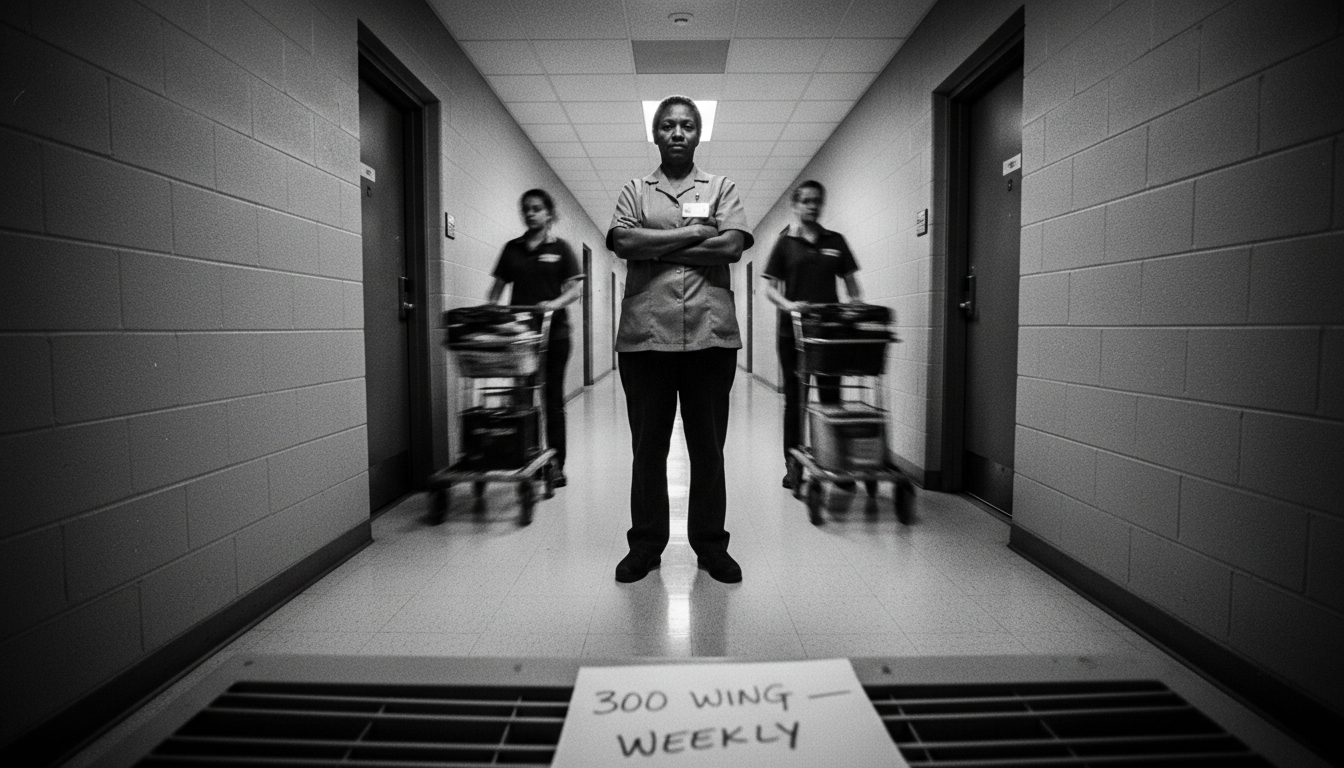
But here's what nobody's telling you: this is not a green light to cut pay. I talked to a director of operations last month who was already floating the idea of rolling housekeeping wages back $2 an hour "because the market will support it." The math doesn't lie, and neither does history. In 2009, properties that cut wages aggressively during the downturn spent 2010 through 2012 paying 15-20% premiums to rehire experienced staff. The people you keep right now, the ones who showed up during the worst of the staffing crisis, are your institutional knowledge. They train your new hires. They know which PTAC units in the 300 wing need the filter cleaned weekly instead of monthly. They remember which group contact needs a late checkout without being asked. You cannot replace that for $2 an hour in savings.
What you should do instead is trade wage leverage for productivity standards. If you're running a 200-key select-service and your housekeeping team is cleaning 13 rooms per 8-hour shift because that's what you agreed to when you were desperate, now is the time to move that number to 15. Not 18. Not 20. Fifteen. Reasonable, achievable, and worth roughly one FTE per shift at most properties that size. That's $35,000-$40,000 a year in labor savings without touching anyone's hourly rate. For full-service properties with more complex staffing, this is your window to require cross-training. Your front desk agents should be able to assist with breakfast service. Your maintenance tech should be able to reset a meeting room. You can now hire for versatility instead of just availability, and that changes the quality of your operation.
One more thing. This "low-hire, low-fire" environment means your existing employees aren't jumping ship either. Voluntary turnover is going to slow down, which is great for your training investment but bad if you've been counting on natural attrition to shed your weakest performers. Don't wait. If you've got someone on staff who's been underperforming for six months and you kept them because you couldn't afford the vacancy, you can afford the vacancy now. Upgrade your roster. Tighten your standards. Invest your training dollars in the people who earned it. This window won't last forever. Use it to build the team you actually want, not just the team you could get.
If you're a GM at a branded select-service property, do three things this week. First, pull your housekeeper-to-room ratio and set a realistic productivity target that's 10-15% better than your current standard. Second, freeze any planned wage increases but do not cut existing pay. Third, identify your bottom two performers and start the documentation process to replace them with better hires while the applicant pool is deep. Your owners are going to see the labor data and ask why payroll isn't dropping. Tell them you're converting wage pressure into productivity gains, which flows straight to GOP without the turnover cost of pay cuts. That's a story any owner will buy because it's true.