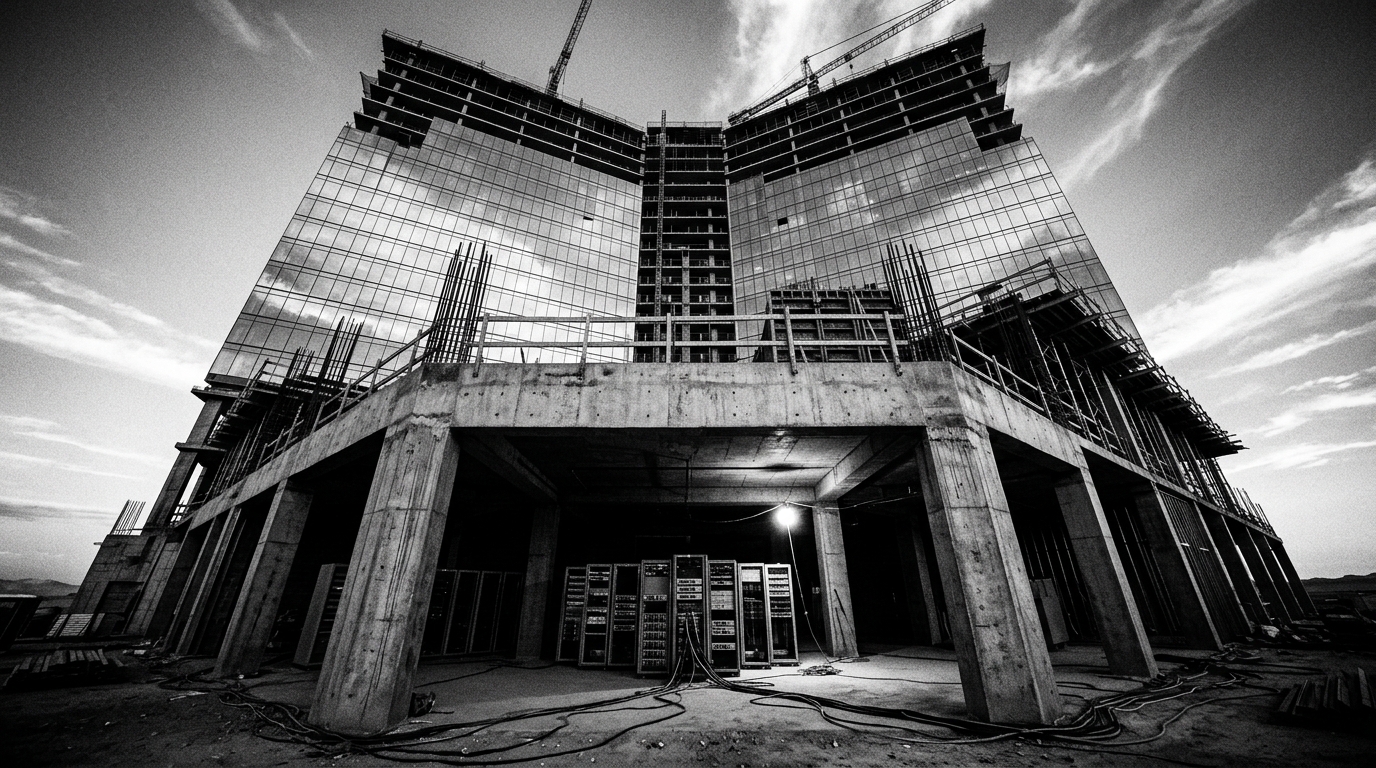
Wynn's $5.1 Billion UAE Bet Just Got a Tailwind. The Tech Stack Will Make or Break It.
Ras Al Khaimah posted record tourism numbers in the first half of 2026, and CBRE says it strengthens the case for Wynn Al Marjan Island. But building a 1,530-key integrated resort from scratch in a market with zero gaming infrastructure means the technology architecture decisions being made right now will echo for decades.
So here's what caught my attention about this story. Everyone's talking about the tourism numbers (670,000 visitors in H1 2026, domestic arrivals up 47% year-on-year) and whether Wynn Al Marjan Island will print money when it opens in late 2027. That's the finance conversation. The conversation I'm not hearing anyone have is the technology one... and it's the one that will actually determine whether this $5.1 billion resort operates at the level Wynn needs it to, or becomes the most expensive systems integration headache in hospitality history.
Let me explain why this matters. Wynn is building the first legal casino in the UAE. That means there's no existing gaming regulatory technology infrastructure. No established vendor ecosystem for compliance systems. No local talent pool that's ever operated a gaming management system at scale. They're standing up 225,000 square feet of casino floor, 1,530 accommodations, and every back-of-house system from scratch... in a market where the regulatory authority (the GCGRA) was literally created in September 2023. I've consulted with hotel groups opening in new markets before, and the technology gap between "we have a beautiful building" and "we have integrated systems that actually talk to each other on night one" is where projects like this either justify their investment thesis or start bleeding cash through operational friction. A resort projecting $425 million in annual free cash flow has zero margin for the kind of system failures that plague even routine hotel openings.
The domestic demand surge is genuinely interesting from a technology perspective, though. A 47% increase in domestic arrivals means the guest profile skewing toward UAE residents, not just international luxury travelers. That changes everything about the tech stack requirements... payment systems, loyalty integration, language support, even the CRM segmentation logic. Are you building for the European high-roller who books six months out through a host relationship, or are you building for the Dubai resident who drives 45 minutes for a weekend stay and expects the booking experience to feel like every other premium app on their phone? The answer is both, obviously. But "both" in technology architecture means making hard decisions about prioritization now, not after opening night. I've seen exactly this kind of dual-audience challenge crater a launch because the team optimized for one guest profile and bolted on the other as an afterthought.
Look, the $2.4 billion construction facility (the largest hospitality financing in UAE history) and the 79% façade completion tell you the physical building is happening. But the technology decisions being made in the next 12 months... which gaming management system, how it integrates with the PMS, how the regulatory reporting feeds work with a brand-new gaming authority that's still writing its own rules... those are the decisions that determine whether this resort operates like a Wynn property or like a very expensive beta test. And with MGM reportedly pursuing a Dubai casino license, Wynn's first-mover advantage only holds if the operational technology works flawlessly from day one. Second chances don't exist when a competitor is 18 months behind you and watching every mistake you make.
The Janu Al Marjan Island groundbreaking (Aman Group, opening 2029) tells you something else... this is becoming a cluster, not a standalone destination. Clusters require interoperability. Shared transportation systems, coordinated demand management, integrated destination marketing tech. Ras Al Khaimah wants 3.5 million visitors by 2030, which means roughly tripling current volume. The technology infrastructure to support that kind of growth doesn't exist yet on Al Marjan Island. Someone has to build it. And if history is any guide, the first resort to open will end up subsidizing the infrastructure that benefits everyone who comes after. That's not a technology problem. That's a business model problem wearing a technology costume.
Here's what I want you to take from this if you're running a large-scale opening or a major renovation right now. The glamour is in the building. The survival is in the systems. Every dollar of that $425 million free cash flow projection assumes that the PMS talks to the gaming system, the gaming system talks to the regulatory platform, and the regulatory platform talks to an authority that's been in existence for less than three years. If you're involved in any pre-opening tech stack decisions... for any property, not just a $5 billion integrated resort... pressure your vendors on one thing: what happens when the system you integrate with changes its API without telling you? Because in a new regulatory market, that's not a hypothetical. That's a Tuesday. Get your integration failure protocols documented now, not after go-live.