Your Distressed Traveler Agreement Is Sitting in a Drawer. Airline Strike Season Starts in Two Weeks.
Airline labor disputes across Europe are already live, U.S. carriers are under historic financial pressure, and most hotel front desk teams couldn't find their distressed traveler contract if you gave them ten minutes. That's a problem you can fix this week... if you move before the first cancellation wave hits your booking pace.
I worked with a front desk manager years ago who kept a laminated card behind the desk with the airline distress contact numbers, the contracted rate, and the room block procedure. She updated it every January. When a freak ice storm shut down the nearby hub for 36 hours, her property picked up 74 room nights in a single evening while every other hotel within five miles was fumbling through filing cabinets trying to figure out who to call. She made it look easy. It wasn't easy. It was preparation disguised as instinct.
That's the story I keep thinking about as I watch what's happening in the airline world right now. Lufthansa's pilot union voted 96% in favor of strike action through the entire summer... through October 26th. Cabin crew voted 94%. Paris airports have a ground disruption planned for June 18th. Italy's got a nationwide ground handling strike June 26th. Spain's air traffic control dispute runs through the end of the month. And that's just Europe. The pressure is building on this side of the Atlantic too, because IATA just slashed its global airline profit forecast from $41 billion to $23 billion. Net margin for the entire industry is expected to hit 2.0%... that's $4.50 profit per passenger. Jet fuel at $152 a barrel, up 70% from last year. Airlines under that kind of financial squeeze don't settle labor disputes quickly. They can't afford to give, and the unions know it.
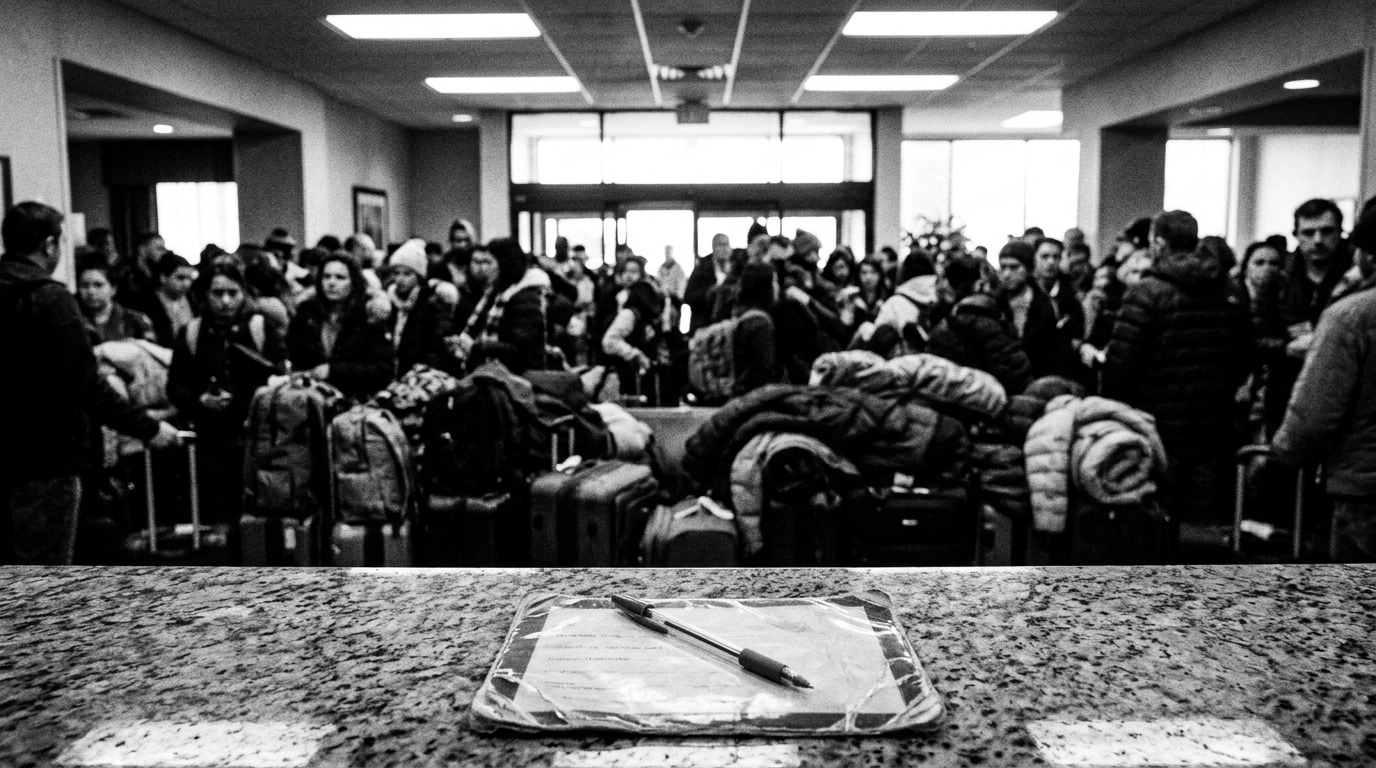
Here's what this means if you're running a hotel. You've got two problems coming at you simultaneously, and they require opposite responses. Problem one: distressed travelers. If you're within 10 miles of a major hub (O'Hare, DFW, Atlanta, Denver... you know who you are), stranded passengers are going to need rooms. Airlines typically contract those rooms through platforms at rates that can run 40% below your standard OTA rate. Those contracts are often signed during a slow quarter, filed somewhere, and never reviewed again. Your front desk team probably doesn't know the terms. Your FOM might not know the contact. And when 200 passengers get dumped at midnight because their connecting flight to wherever just got cancelled, "let me check on that" is not a revenue strategy... it's a missed revenue event.
Problem two is sneakier. Strike headlines suppress forward bookings even when no strike actually happens. Leisure travelers see "airline chaos" on their phone and they hesitate. They don't cancel immediately... they just stop booking. Your 30 to 60 day pace softens and you might not notice for two weeks. If you're a fly-to destination (think resort markets that depend on airlift), this is real exposure. If you're a drive-to leisure property, you might actually see a short-term bump as travelers substitute road trips. But if a significant chunk of your group business depends on attendees flying in... that's your biggest risk right now. Any meeting planner watching these headlines is doing the same mental math you should be doing. Check your July and August group contracts. How many of those groups have high air-dependency? What does your force majeure language actually say about labor actions? Because "act of God" doesn't cover a union vote. You need explicit strike language or you're exposed on both sides... the group cancels and you eat the revenue, or you enforce the contract and you lose the relationship.
The mistake most operators make is treating airline disruptions as weather... something that happens to you. It's not weather. It's predictable. The Lufthansa vote happened three weeks ago. The financial pressure on carriers has been building all year. The disruption calendar for European airports is already published. If you're scrambling when the first wave hits, you waited too long. And if you're sitting in a hub market with a distressed traveler agreement you haven't looked at since 2022, you're leaving money on the counter... literally.
This is what I call the Shockwave Response. You don't wait for the shock to figure out your plan. If you're within 10 miles of a hub airport, pull your airline distress agreements this week. Read the rate. Read the block limits. If the rate is more than 30% below your current BAR, renegotiate now... airlines need those rooms secured more than you need a 2019 contract you forgot about. Print the contact info and the procedure and put it where your overnight team can find it without calling you. For revenue managers at fly-to-resort or destination properties, run your July and August pace against the same period last year. If 30-day pace is softening more than 5%, start your contingency pricing now... not after Fourth of July. Sales directors: pull every group contract with more than 25% air-dependent attendees and check whether your force majeure clause explicitly covers labor actions. If it doesn't, get on the phone with that planner this week and agree on terms before the first strike headline drops and the conversation gets adversarial. The operators who win during disruption seasons aren't luckier. They're earlier.