63% of Your Bookings Now Belong to the OTAs. And It's Getting Worse.
Cloudbeds' 2026 report confirms what every independent operator already feels in their gut: OTAs now control nearly two-thirds of independent hotel bookings, ADR dropped almost 6%, and the gap between independents and branded properties is widening fast. The question isn't whether this is a problem... it's whether you're going to do something about it before the next 5% disappears.
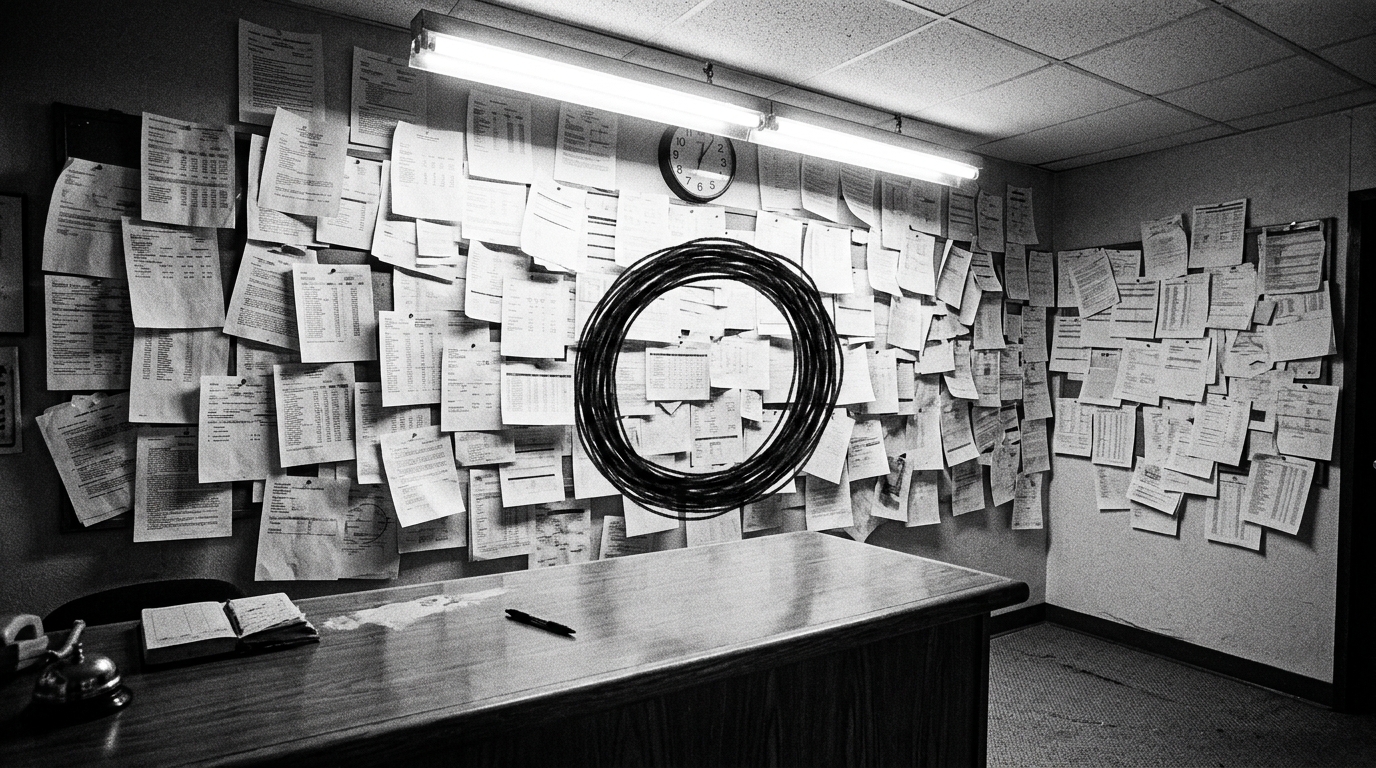
I worked with an independent operator years ago... maybe 110 keys, nice market, good product. He used to print out his channel mix report every Monday and tape it to the wall behind the front desk. Not for the staff. For himself. He said looking at it every day was the only thing that kept him honest about where his business was actually coming from. One Monday the OTA share crossed 50% and he circled it in red marker. Left it up for a month. That was his version of a fire alarm.
That was probably eight years ago. Today, according to Cloudbeds' new report based on 90 million bookings across tens of thousands of independent properties worldwide, OTA share has hit 63.4% globally. In some markets it's approaching 80%. Let that operator's red circle sit with you for a second. The fire alarm has been ringing for years. Most independents just turned down the volume.
The rest of the numbers are brutal. ADR for independents dropped 5.8% year over year. RevPAR fell 5.4%. Occupancy slipped another 0.6%. And all of this happened while branded hotels held relatively steady. That divergence is the real story here... not that independents had a tough year, but that the gap between independents and chains is actively widening. Branded properties have loyalty engines, massive marketing spend, and distribution muscle that independents simply cannot match dollar for dollar. Every year the OTAs get a bigger slice, and every year that slice costs more in commission. You're paying 15-22% to acquire a guest who cancels 21.8% of the time through those channels (compared to 10.6% for direct bookings, by the way). The math on that is devastating. You're not just losing margin on the bookings you get... you're losing inventory on the bookings that evaporate.
Here's what nobody's telling you about the booking window data. The average booking window stretched to 40 days, with North America at 48 days. Sounds like more time to plan, right? Except cancellation lead times also expanded to 39 days. So your guest is booking 48 days out and canceling 39 days out, which means you're getting the cancellation with barely enough runway to resell the room at anything close to the original rate. That's not a booking window. That's a reservation placeholder. Guests are holding rooms the way they hold restaurant reservations on OpenTable... grab three, cancel two, decide later. And if 63% of those bookings came through an OTA, you never had a direct relationship with that guest in the first place. You can't email them. You can't incentivize them to rebook direct. They're gone.
The report also flags that 67% of independent hotels are wrestling with disconnected technology systems. I've seen this movie before. The PMS doesn't talk to the channel manager, the channel manager doesn't talk to the revenue tool, and meanwhile the OTA's algorithm is running circles around your rate strategy because it has better data than you do about your own property. The technology fragmentation isn't a side issue... it's the engine that drives OTA dependence. When you can't see your own data clearly, you default to the channel that does the selling for you. And that channel takes its cut whether you succeed or not. This is what I call the Vendor ROI Sentence... if your tech stack can't demonstrate in one sentence how it's moving bookings from OTA to direct, it's not solving your actual problem. It's just another monthly invoice.
If you're running an independent property, pull your channel mix report this week. Not the quarterly summary... the actual channel-by-channel breakdown with commission costs applied. Calculate your net ADR by channel. I guarantee your OTA net rate is $15-30 lower than your direct rate once you factor commissions and cancellation waste. Then look at what you're spending on driving direct bookings... your website, your email list, your loyalty program if you have one, your metasearch presence. If the answer is "not much," that's your problem in one line. Take 2-3% of your OTA commission spend and redirect it into direct booking acquisition this quarter. A better booking engine, a metasearch campaign, even a simple email capture at check-in that lets you market to OTA guests directly next time. You will not win by out-spending Expedia. You win by converting every OTA guest who walks through your door into a direct guest for their next stay. One at a time. Starting now.