Today · Jun 6, 2026
Caesars Digital Just Hit $140M in iGaming Revenue. Your Hotel Loyalty Program Is Competing With This.

Caesars Digital Just Hit $140M in iGaming Revenue. Your Hotel Loyalty Program Is Competing With This.

Caesars' online gambling unit grew iGaming revenue 19% year-over-year to $140 million in Q1, with margins expanding nearly 600 basis points. The technology powering that growth... Universal Digital Wallets, omnichannel integration, AI-driven personalization... is the same infrastructure that's quietly reshaping how casino-hotels think about guest data, and every hotel loyalty program should be paying attention.

So here's something that should bother every hotel technology director who's ever sat through a PMS vendor demo: Caesars just reported that their digital gambling unit pulled in $374 million in net revenue last quarter, with iGaming alone hitting $140 million... a 19% jump year-over-year and an 82% increase over two years. Their digital EBITDA margins expanded by 566 basis points to 18.4%. And the tool driving a huge chunk of that growth? Something called a Universal Digital Wallet, now live in 27 jurisdictions, that lets a guest move money seamlessly between sports betting, online casino, and (here's the part that matters to us) their Caesars Rewards loyalty account.

Let's talk about what this actually does. The Digital Wallet isn't just a payments product. It's a guest data engine. Every transaction... every bet, every loyalty point earned, every dollar transferred... feeds back into Caesars' profile of that guest. They know what games you play, what sports you watch, how much you're willing to spend, and when you're most likely to visit a physical property. That's not a loyalty program anymore. That's a behavioral prediction system. And it's being built on infrastructure that most hotel-only companies can't touch because they don't have the transaction volume to train the models. When Eric Hession (their digital president) talks about 20% top-line revenue growth with 50% flow-through to EBITDA, he's describing a technology flywheel, not a marketing campaign.

Now here's the part nobody in hotel tech is talking about: the omnichannel integration between digital and physical is the real competitive weapon. Caesars isn't just running an online casino alongside some hotels. They're building a system where a guest's online behavior directly influences what offer they get at a physical property... room rate, comp level, dining credit, show tickets. The technology stack required to do that (real-time data sync across 50+ properties and 27 digital jurisdictions, with personalized offers generated on the fly) is genuinely impressive engineering. I've built integration layers between hotel systems. Getting two PMS instances to share data reliably is hard enough. Getting a sports betting platform, an iGaming engine, a loyalty database, and a hotel reservation system to talk to each other in real time... that's a different league entirely.

Look, I get that most of us aren't running casino resorts. But the technology philosophy here matters for everyone. Caesars is proving that the company with the richest guest data wins. Not the company with the best rooms. Not the company with the prettiest lobby. The company that knows what a guest will want before the guest knows it. Their iGaming platform generates thousands of data points per user per session. A typical hotel PMS generates maybe a dozen per stay. That data gap is the real story in these earnings numbers. And while Caesars is using gambling revenue to fund their tech stack (their sports betting hold rate improved 100 basis points to 8.3% even as volume declined 3%... meaning they're getting better at pricing risk, not just attracting more bettors), traditional hotel companies are still arguing about whether to upgrade their WiFi infrastructure.

The honest question for hotel tech people: where does the guest data moat go from here? Caesars has $11.9 billion in debt, so they're not exactly flush with cash to spend freely. But their digital unit is now the growth engine... brick-and-mortar was essentially flat (consolidated Adjusted EBITDA was $887M vs $884M, so a $3M improvement that's basically rounding error). The investment thesis is shifting from "casino company with a digital side project" to "data company with physical assets." If you're a hotel technology vendor building loyalty or personalization tools, this is your competition. Not another PMS plugin. A company that generates more behavioral data from one guest's phone in an evening than your system captures in a year.

Operator's Take

Here's what I want you to hear. If you're running a casino-adjacent hotel or a property that competes with casino resorts for leisure travelers, you need to understand that Caesars isn't just building a better loyalty program... they're building a data advantage you can't replicate with your current tech stack. Take an hour this week and audit what your PMS actually captures about guest behavior versus what you wish it captured. Then ask your loyalty platform vendor one question: "What new data points have you added to guest profiles in the last 12 months?" If the answer is zero, you're standing still while companies like Caesars are lapping you. This is what I call the Vendor ROI Sentence test... if your tech vendor can't explain in one sentence how their product helps you know your guest better than the casino down the road, it's time for a different conversation.

— Mike Storm, Founder & Editor
Read full analysis → ← Show less
Source: Google News: Caesars Entertainment
A Casino Resort Spent $500K on March Madness Promos. The Real Question Is What the Tech Stack Looked Like at 2 AM.

A Casino Resort Spent $500K on March Madness Promos. The Real Question Is What the Tech Stack Looked Like at 2 AM.

We-Ko-Pa Casino Resort ran a half-million-dollar March Madness promotion through its sports bar and sportsbook, and every casino resort in the country is chasing the same playbook. The interesting part isn't the promotion... it's whether the systems behind it can actually handle what happens when 246 rooms, a 166,000-square-foot gaming floor, and a live betting operation all peak at once.

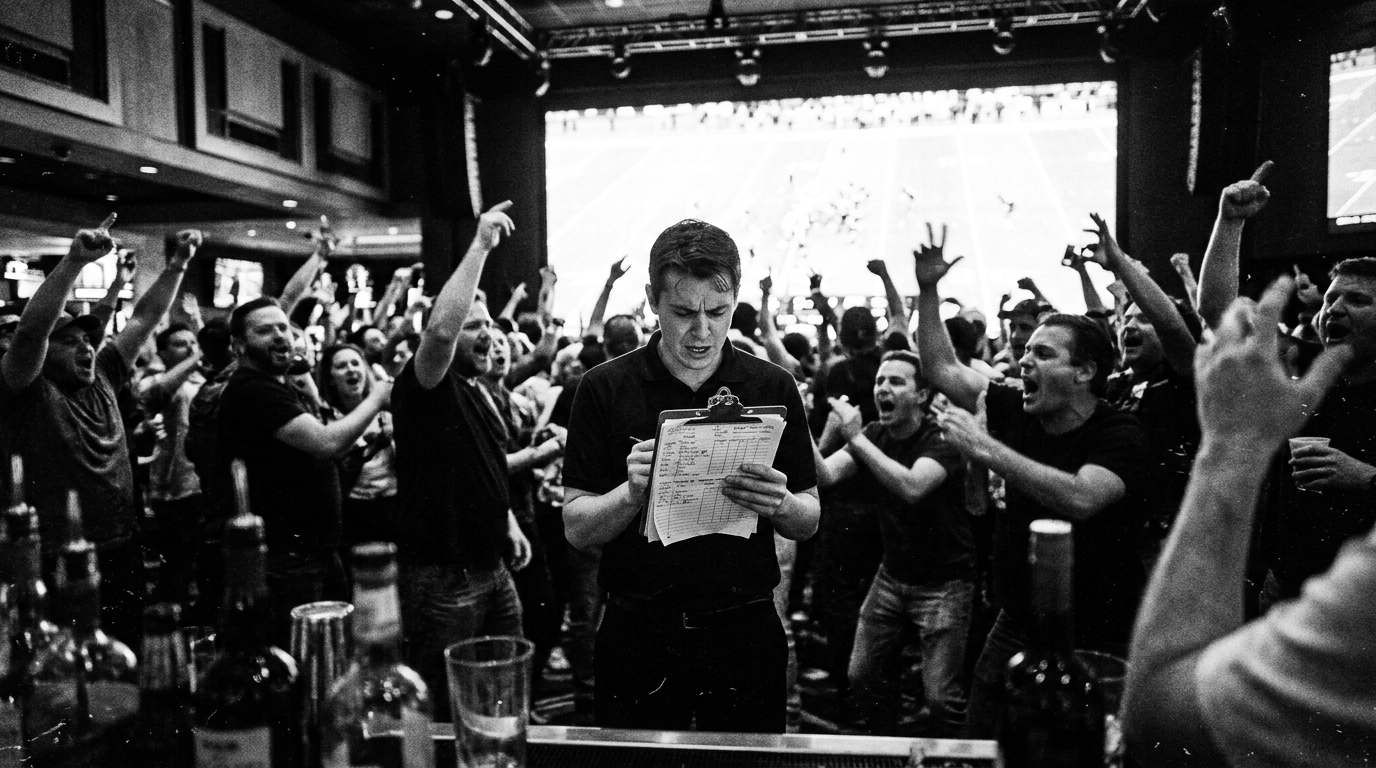
So here's what actually happened. A 246-key casino resort in Arizona ran a $500,000 promotional campaign through its sports bar during March Madness, selecting winners every 30 minutes on Saturdays, funneling everything through its Fortune Club loyalty program, and layering in a sportsbook with a 47-foot video wall, live betting, and a separate $125,000 bingo promotion running simultaneously. That's a LOT of systems talking to each other. And nobody's talking about the systems.

Let's talk about what this actually does at the infrastructure level. You've got a loyalty program that has to track eligibility in real time. You've got a sportsbook processing live wagers during peak tournament windows. You've got POS systems in the sports bar handling food and beverage at volume. You've got room management for 246 keys with guests who are there specifically because of the promotion (meaning check-in clusters, meaning front desk load, meaning housekeeping sequencing gets weird). And you've got a promotional engine that needs to select and verify winners every 30 minutes for four hours straight. That's not a simple Saturday. That's an integration stress test. The question nobody's asking at these "March Mania" events is what the failure mode looks like. What happens when the loyalty system can't confirm eligibility fast enough and you've got a crowd waiting for their name to be called? What happens when the sportsbook feed lags during a buzzer-beater and 200 people are trying to place live bets simultaneously? I talked to a tech director at a regional casino last year who told me their promotional system crashed during a UFC fight night... not because of volume, but because the loyalty API timed out and the fallback was literally a guy with a clipboard. A clipboard. In 2025.

Look, I get the business case. March Madness is massive... $15.5 billion in sports betting in 2023, host cities seeing 109% hotel revenue spikes during tournament weekends, sports bars getting a 25% bump in new visitors. Casino resorts should absolutely be building programming around this. The question is whether the technology infrastructure matches the ambition of the promotion. A $500,000 prize pool is a marketing decision. The system architecture that has to deliver it in real time across loyalty, gaming, F&B, and rooms... that's an engineering decision. And in my experience, the marketing budget gets approved six months before anyone asks the tech team if the pipes can handle it.

The Dale Test question here is brutal. It's not 2 AM with one night auditor (though that matters too... who's monitoring system health overnight when the promotion crowd has gone home but the sportsbook is still live for West Coast games?). It's 6 PM on a Saturday when everything peaks at once. Can the least technical person on the floor troubleshoot a loyalty verification failure while guests are waiting and the next drawing is in 12 minutes? If the answer requires calling someone who's not in the building, you've got a gap between your promotional ambition and your operational readiness that no 47-foot video wall is going to fix.

What's actually interesting about this story isn't the promotion itself... every casino resort with a sportsbook runs some version of March Madness programming. It's that the complexity of these multi-system, real-time, high-volume events is growing faster than most properties' integration architecture can support. The promotional stakes go up every year. The vendor stack gets more fragmented. And the person who has to make it all work on the floor is still the same ops manager who was there last year with one more system to babysit and the same staffing budget.

Operator's Take

If you're running a casino resort or any property with a sportsbook and loyalty-driven promotions, here's what I'd do before your next big event. Map every system that has to communicate in real time during peak... loyalty, POS, sportsbook, PMS, promotional platform. Then ask your vendor for each one: what's the failure mode and what's the manual fallback? If you don't have a documented answer for every system, you're running a half-million-dollar promotion on hope. Stress-test before the event, not during it. And make sure whoever's on the floor that night knows the fallback plan without having to call anyone. The promotion is the show. The tech stack is the stage. If the stage collapses, nobody remembers the show.

— Mike Storm, Founder & Editor
Read full analysis → ← Show less
Source: Google News: Casino Resorts
End of Stories