Wyndham's Real Brand Strategy Lives in Farm Bureau Discount Codes. Not the Earnings Call.
Wyndham is about to report Q2 earnings with a record development pipeline and 124 million loyalty members. But the story that actually tells you how this brand fills rooms is a discount page on an Iowa farming website, and what that reveals about the economy segment's real demand engine is worth understanding.
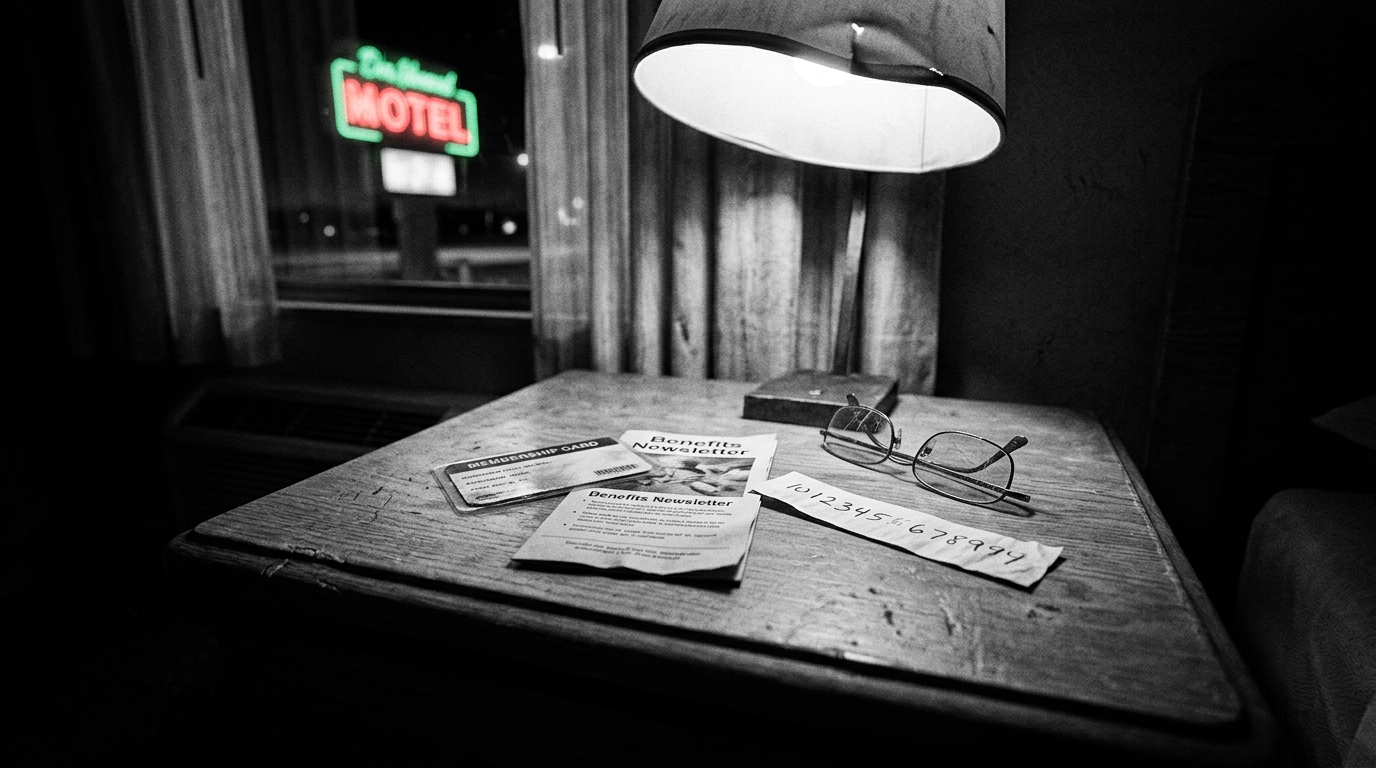
I found this story on the Iowa Farm Bureau website, and I almost scrolled past it. Wyndham Hotel Savings. A member benefit. Up to 20% off the standard rate at participating properties. Book with your code, get your discount, done. It's the kind of thing that shows up in a benefits newsletter between the dental plan and the tire discount. And it is, quietly, one of the most honest windows into how Wyndham actually builds occupancy that you'll find anywhere... more honest than the earnings call happening Thursday, more honest than the development pipeline press release, more honest than anything with the words "loyalty contribution" in the subject line.
Here's what I mean. Wyndham has 124 million Wyndham Rewards members. That sounds enormous, and it is. But when you're operating 8,400 hotels across 25 brands, most of them in the economy and midscale segments, you're not filling rooms the way a Marriott Bonvoy member fills a JW. You're filling them through affinity deals, corporate codes, membership discounts, state association partnerships, AAA rates, AARP rates, military rates, and yes, the Iowa Farm Bureau. This is the demand architecture that actually matters for the owner of a 75-key La Quinta off I-80... not the splashy brand campaign, not the app redesign, not whatever "ancillary revenue growth" (up 21% in Q1, by the way) looks like in the investor deck. The real revenue engine is a matrix of negotiated-rate relationships that drive consistent, predictable, unspectacular occupancy. And there's nothing wrong with that. Unless you're being sold a different story.
Because here's where the tension lives, and I've sat on both sides of this table. When Wyndham's franchise development team pitches a prospective owner, the presentation includes loyalty contribution numbers, brand awareness data, the global footprint, the rewards program. What it doesn't include is a slide that says "a meaningful chunk of your demand will come from negotiated discount codes offered to farming cooperatives and retired teachers' associations." Not because that's embarrassing (it's not... it's smart distribution). But because it doesn't match the brand narrative being sold. The promise is scale and technology and a world-class loyalty engine. The delivery is a 20% discount code on a .com page next to an ad for crop insurance. I've watched this exact gap between brand promise and brand delivery play out for 15 years, and the owners who understand what they're actually buying do fine. The ones who believed the pitch deck... those are the ones I worry about. This is what I call the Brand Reality Gap. Brands sell promises at scale. Properties deliver them shift by shift... and in Wyndham's case, discount code by discount code.
Let me be clear about something because I don't want this to read as a takedown. Wyndham's model works for a specific owner profile, and that profile is large. Q1 showed system-wide rooms up 4%, a record pipeline of 259,000-plus rooms, and Q1 revenue of $327 million with EPS beating analyst estimates. The stock has analyst support from some serious shops. If you're an owner who understands that you're buying distribution infrastructure for the value-conscious traveler... and that this distribution includes everything from the rewards app to a benefits page on an agricultural membership site... then the economics can pencil. The franchise fee, the loyalty assessments, the technology mandates, the marketing contributions... they're the cost of being plugged into that matrix. The question (and it's always the question) is whether that cost is justified by incremental revenue you genuinely could not capture independently. For a roadside economy property with no marketing budget and no direct booking infrastructure? Probably yes. For an independent with an established local reputation and strong direct demand? Run the numbers before you sign anything. Actually run them. Not the projections in the FDD. The actuals from comparable properties in your market that have been flagged for at least three years.
Wyndham reports Q2 on Wednesday, with the conference call Thursday. The analysts will ask about RevPAR (which was flat year-over-year in the U.S. for Q1... flat, not growing). They'll ask about the pipeline. They'll ask about ancillary revenue. Nobody on the call will mention the Iowa Farm Bureau. But somewhere in Iowa tonight, a farmer is booking a room at a Super 8 using a discount code, and that booking is the actual business model working exactly as designed. The gap isn't between what Wyndham does and what Wyndham should do. The gap is between what Wyndham does and what Wyndham says it does. And that gap is where owners either make informed decisions or expensive ones.
If you're a Wyndham franchisee... or thinking about becoming one... here's what to do this week. Pull your production reports and calculate what percentage of your occupied room nights come through negotiated rate codes versus full-rate loyalty bookings versus OTA versus true direct. Know your actual demand mix, not the one in the brand presentation. Then calculate your total brand cost as a percentage of total revenue... franchise fees, loyalty assessments, technology fees, marketing fund, all of it. For a lot of economy and midscale properties, that number lands between 15-20% of gross room revenue. If the brand is delivering demand you genuinely couldn't capture on your own, that's a cost of doing business. If you're paying 18% of revenue for a flag and most of your guests are booking through a discount code they found on a membership website... you need to understand what you're actually buying. Not what the pitch deck says. What your P&L says.