Today · Apr 1, 2026
IHG's Ramadan Campaign Is Beautiful. The Question Is Whether It Survives the Lobby.

IHG's Ramadan Campaign Is Beautiful. The Question Is Whether It Survives the Lobby.

IHG launched a gorgeous storytelling campaign for Ramadan across its Saudi properties, and the creative work genuinely moves. But when a brand promises guests "the comforts and traditions of home," someone at property level has to deliver that promise at iftar with the staffing they actually have.

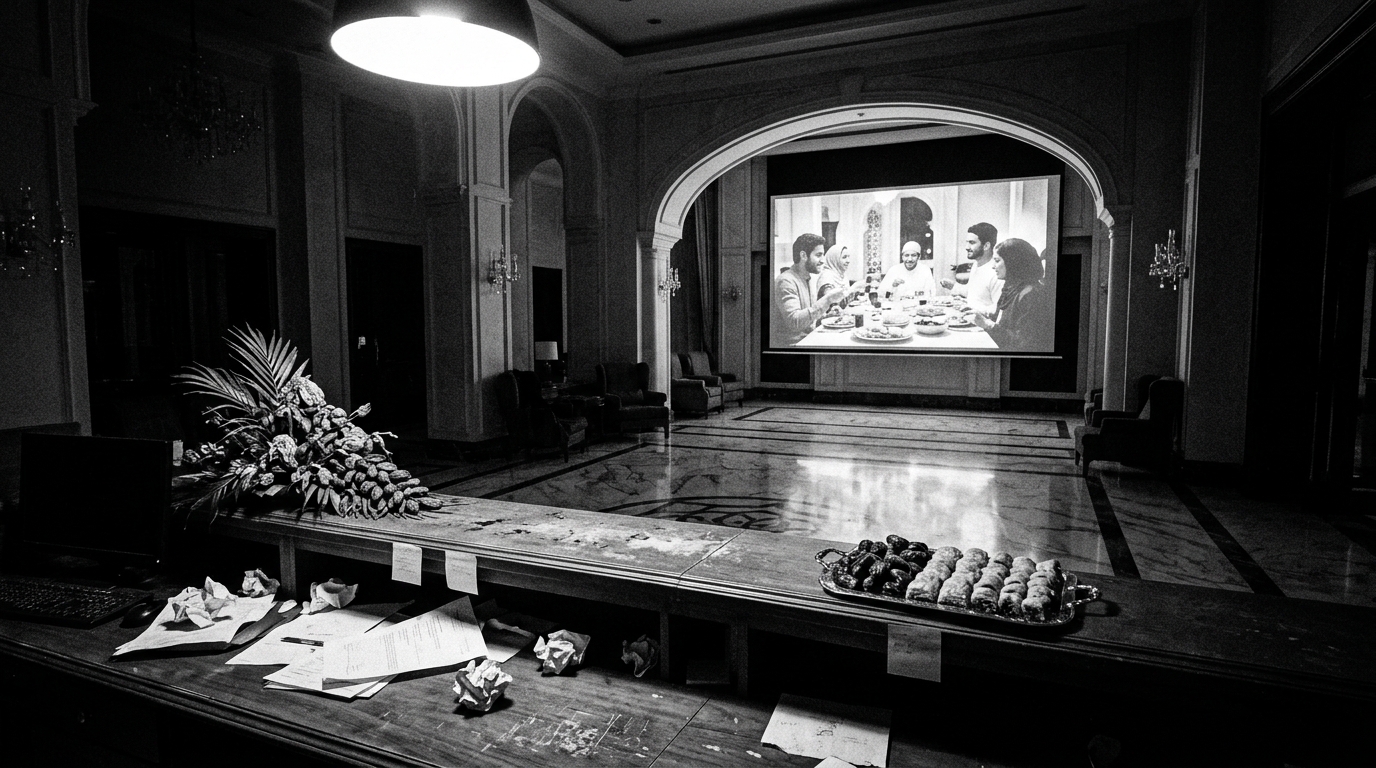
I'll give IHG this... the campaign is lovely. "The Story of Guests" is the kind of brand work that wins awards at advertising festivals and makes everyone at headquarters feel warm inside. A short film. Content creators. YouTube and Instagram rollouts timed to the Holy Month. The creative agency nailed the emotional tone. You watch it and you think yes, this is what hospitality should feel like. And if you're sitting in a conference room reviewing the campaign deck, you walk out believing the brand just did something meaningful.

But I grew up watching my dad deliver on promises that someone else's marketing department made. And the question I always ask (the one that makes brand VPs slightly uncomfortable at dinner) is this: what does this campaign require from the person working the front desk at 11 PM during Ramadan? Because IHG has 46 hotels operating across seven brands in Saudi Arabia right now, with another 60 in the pipeline over the next three to five years. That's not a boutique operation... that's scale. And scale is where the distance between a brand film and the actual guest experience becomes a canyon. You can produce the most emotionally resonant content in the world, but if the guest walks into the lobby expecting the feeling they saw on Instagram and encounters a team that hasn't been briefed, trained, or resourced to deliver anything close to it... you haven't built a brand moment. You've built a disappointment with a really nice trailer.

This is what I call the Brand Reality Gap, and Ramadan is actually one of the most consequential times to get it wrong. The traditions are specific. The timing matters (suhoor isn't flexible, iftar isn't approximate). The emotional stakes for guests observing the Holy Month are real and personal in a way that "elevated arrival experience" never is. If you're promising the comforts and traditions of home, you'd better know what that means in granular operational detail for every property running this campaign. Does each hotel have a designated iftar space? Is the F&B team equipped for pre-dawn meal service? Are the front desk and housekeeping teams trained on the specific rhythms of a guest's day during Ramadan? A brand campaign that gestures at cultural respect without operationalizing it is worse than no campaign at all, because now you've set an expectation you can't meet.

I sat in a brand review once where the regional team had produced a stunning Lunar New Year package... gorgeous collateral, thoughtful cultural references, clearly months of creative development. Then I asked what training the front desk teams had received. Silence. The creative budget was six figures. The training budget was zero. The guest satisfaction scores for the promotional period actually dropped below the non-promotional baseline because the marketing created expectations the properties couldn't fulfill. That's not a hypothetical risk. That's a pattern I've watched repeat across every culturally specific campaign that treats the creative as the product instead of the delivery.

Here's what makes this interesting from a strategic standpoint, though. IHG is clearly betting big on Saudi Arabia... 100-plus hotels open or in the pipeline is not a casual commitment, and the EMEAA region delivered nearly 9% RevPAR growth in their most recent reporting. The market opportunity is real. The question is whether IHG is investing as seriously in the operational infrastructure to deliver culturally authentic hospitality as they are in the marketing infrastructure to promise it. Because the owners funding those 60 pipeline properties are watching. And those owners know that a beautiful campaign that generates bookings but disappoints guests is just an expensive way to fill rooms you'll never fill again.

Operator's Take

If you're running an IHG property in a market with significant Ramadan observance (or any culturally specific campaign your brand just launched), do this before the weekend: walk the guest journey yourself against whatever your brand's marketing is promising. Every touchpoint. Arrival, dining, room setup, timing of services. If there's a gap between what the Instagram content shows and what your team can actually deliver tonight, close it or manage the expectation. Talk to your F&B lead about meal timing logistics. Brief your front desk on what guests observing Ramadan might need and when. This doesn't cost money... it costs attention. The brands will always produce beautiful campaigns. Your job is to make sure the guest who books because of that campaign doesn't leave wishing they'd stayed somewhere that promised less and delivered more. That's the only brand metric that matters at property level.

— Mike Storm, Founder & Editor
Read full analysis → ← Show less
Source: Google News: IHG
IHG Is Betting 100+ Hotels on Saudi Arabia. Here's What That Actually Means at Property Level.

IHG Is Betting 100+ Hotels on Saudi Arabia. Here's What That Actually Means at Property Level.

IHG has 46 hotels open and 60 more in the pipeline across Saudi Arabia, with plans to double past 200 properties in the next decade. The Ramadan campaign is the glossy part... the operational math underneath it is where things get interesting for anyone paying attention to where global development dollars are actually flowing.

I worked with a GM years ago who got tapped to open a property in the Middle East. Sharp operator. Ran a tight select-service in the Southeast, knew his numbers cold. Three months into the assignment, he called me and said something I've never forgotten: "Everything I know about running a hotel is still true. But everything I assumed about HOW to run a hotel was wrong." The staffing models were different. The peak demand windows were inverted. The F&B expectations weren't just higher... they were structurally different from anything he'd budgeted for. He figured it out. But the learning curve was brutal, and nobody at corporate had prepared him for it.

I think about that conversation when I see IHG's expansion numbers in Saudi Arabia. Forty-six hotels open today under seven brands. Sixty more in the pipeline. The stated ambition is to blow past 200 properties within the decade. The Kingdom itself is adding roughly 94,500 hotel rooms that are under construction or in advanced planning right now, out of a staggering 358,000 planned by 2030. Saudi tourism spending hit an estimated $81 billion last year, up 6% from 2024. They blew past their original Vision 2030 target of 100 million visitors two years ago and revised it upward to 150 million. The money is real. The ambition is real. The demand trajectory is real. But here's the thing nobody talks about in the press releases... every single one of those rooms needs someone to run it, someone to clean it, someone to manage the F&B operation that isn't a suggestion in this market but a baseline expectation. The labor and operational talent pipeline to support 358,000 new rooms doesn't exist yet. That's not a criticism. It's math.

The Ramadan campaign itself is smart marketing. Positioning hotels as extensions of home during the Holy Month, curated iftar and suhoor experiences, content creator partnerships... that's culturally literate brand work, and IHG deserves credit for it. But here's where I put on my operator hat. Running iftar service isn't like running a breakfast buffet. The timing is precise (it begins at sunset, not "whenever the kitchen is ready"). The volume is concentrated into a narrow window. The quality expectations are enormous because this meal has deep personal and spiritual significance. You need F&B teams who understand the cultural weight of what they're executing, not just the mechanics. And you need that execution to be consistent across 46 properties today and 100+ tomorrow. This is what I call the Brand Reality Gap. IHG can design a beautiful Ramadan program at the corporate level. The question is whether the property teams in Jubail and Riyadh and Jeddah can deliver it at 7:15 PM when 200 guests sit down at the same time and every single detail matters.

The financial picture for owners considering Saudi development is genuinely compelling on paper. RevPAR in the Kingdom is running roughly $115-$120, about 20% above pre-pandemic levels. Occupancy has recovered to the low 60s. The hospitality market is projected to grow at nearly 7% annually through 2031, hitting over $40 billion. Chain hotels already hold close to 58% market share and are growing faster than independents. Religious tourism to Makkah and Madinah provides a demand floor that most markets would kill for... searches for accommodation in those cities during Ramadan jumped 20-25% year over year. But those numbers come with context that the development brochures tend to minimize. When you're adding 358,000 rooms to a market, supply absorption becomes the whole game. The demand growth is strong, but it has to outrun a supply wave that is genuinely unprecedented in this region. If it does, everybody wins. If it doesn't, the properties that opened last are the ones holding the bag.

Look... IHG establishing a dedicated office in Riyadh back in 2023 was the tell. That wasn't a marketing decision. That was a capital allocation decision. They're not dabbling in Saudi Arabia. They're building a second growth engine. And for GMs and operations leaders watching this from the U.S. or Europe, the takeaway isn't just "that's interesting." The takeaway is that development dollars, brand attention, and corporate resources are flowing toward markets like this at a pace that will affect how much attention your property gets from the brand over the next five years. When the parent company is chasing 200 hotels in one market, the 150-key Crowne Plaza in a secondary U.S. market isn't going to be the priority it was five years ago. That's not cynical. That's how resource allocation works in every company I've ever worked for.

Operator's Take

If you're a branded GM at an IHG property in the U.S. or Europe, pay attention to where the company is investing its operational support resources over the next 24 months. A pipeline of 60 hotels in one market means training teams, brand integration specialists, and technology rollout bandwidth all get pulled in that direction. That's not conspiracy... it's logistics. Make sure your property isn't drifting into "steady state" status where you're funding the brand through fees but competing for support with higher-priority openings overseas. Get ahead of your next PIP conversation. Know your loyalty contribution number cold and compare it against what you're paying in total franchise cost. If the math isn't working, that's a conversation to initiate now, not after the next brand conference where they spend 45 minutes on the Saudi expansion and 3 minutes on your comp set.

Read full analysis → ← Show less
Source: Google News: IHG
End of Stories