The World Cup Is Less Then 100 Days Out. Your Staffing Plan Is Already Late.
Eighty-five million international visitors are projected for 2026, and every hotel in an NFL host city is about to discover whether their operation is actually built for prime time... or just built for Tuesday nights in October.
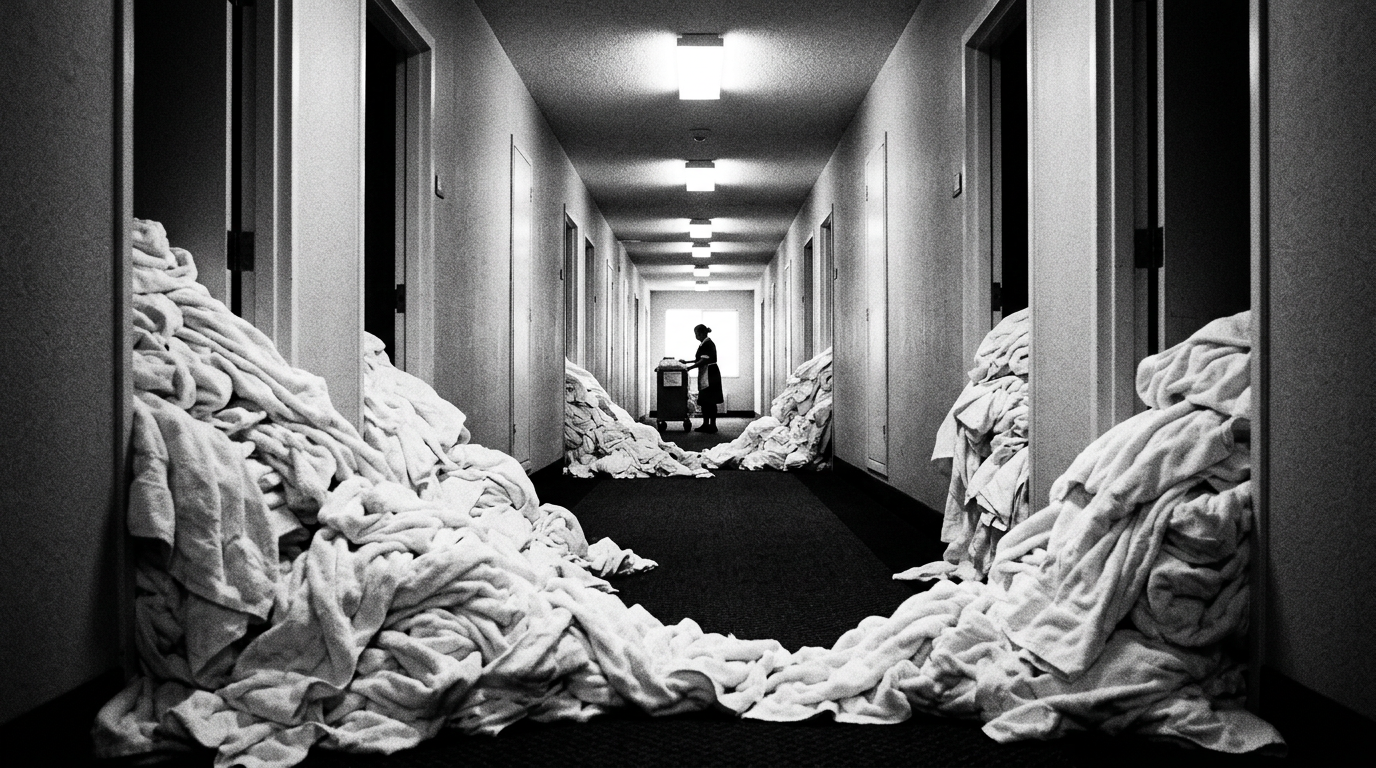
I managed a hotel during the '96 Olympics. Not one of the flagship properties downtown that got all the press. A 280-key about 20 minutes from the venues that nobody thought would see much action. We saw plenty of action. We also saw our housekeeping team buckle under the pressure by day three because we'd staffed for a 15% occupancy bump and got a 40% one. By the second week, I was stripping beds myself at 11 PM. My AGM was running towels in her personal car from a linen supplier 45 minutes away because our par levels were a joke.
That experience taught me something I've never forgotten: major international sporting events don't just fill your hotel. They fundamentally change who's IN your hotel, how long they stay, what they expect, and how fast everything breaks when you're running at 97% occupancy with a staff built for 78%.
So let's talk about what's actually coming. The National Travel and Tourism Office is projecting 85 million international arrivals in 2026... a 10% jump over 2025 and well past the pre-pandemic high of 79.4 million in 2019. The primary driver is obvious: the FIFA World Cup, running June 11 through July 19, with 78 matches across 11 U.S. cities. Tourism Economics estimates 1.24 million international visitors specifically for the tournament, and roughly 60% of those are incremental trips (meaning people who wouldn't have come to the U.S. otherwise). Post-draw booking data is already showing the impact. For the week of the final at MetLife Stadium, booking volumes are up 102% year-over-year with ADR climbing 72%. Some host city markets are already showing 14% ADR growth for the first nine months of 2026 versus the national average. The revenue opportunity is real. Nobody's debating that.
Here's what nobody's debating loudly enough: the service delivery risk. AHLA's own numbers from early 2024 showed 67% of hotels still reporting staffing shortages, with housekeeping cited as the most critical gap by nearly half of respondents. That was during NORMAL demand. Now layer on a five-week international mega-event where your guest mix shifts overnight from domestic business travelers who know how everything works to international leisure guests who need more front desk time, more concierge interaction, more patience, and more towels. A lot more towels. If you're a GM at a 200-key select-service in Dallas or a 350-key full-service in Miami, your current labor model was not designed for this. And if you're waiting until April 2026 to start building your tournament staffing plan, you're going to be the hotel that earns a 30% ADR premium and a 1.5-star review drop that haunts you for 18 months after the final whistle.
The 1994 World Cup is the historical parallel everyone cites... host city hotels saw revenue increases of 40-60% during tournament months. What people forget is the other side of that data. Properties that couldn't maintain service standards during the surge saw review damage (and this was before TripAdvisor and Google Reviews made every bad experience permanent and searchable). In 2026, a single viral social media post about a filthy room or a 45-minute check-in line doesn't just cost you a guest. It costs you a year of rate integrity. The math on this is brutal: you can push ADR to $400 a night during the group stage, but if your post-tournament reviews tank your ranking, you're discounting your way back to $180 by September. I've seen this exact pattern play out after every major event I've worked through. The hotels that win aren't the ones that charge the most during the event. They're the ones that maintain their standards WHILE charging more, and come out the other side with their reputation intact.
Let me be direct about what the revenue management conversation should look like right now. Yes, model your ADR scenarios. The 30-50% premium during tournament periods is achievable and probably conservative for properties within 30 minutes of a venue. But model it against cost to achieve. What does your labor cost look like at 95% occupancy for five consecutive weeks with a 40% international guest mix? What's the incremental cost of multilingual front desk coverage? What happens to your laundry operation when every room is turning daily instead of every three days? What's your linen par level for a five-week period where you can't rely on your normal vendor delivery cadence because every hotel in your market is ordering more at the same time? These aren't hypothetical questions. These are P&L line items that will eat your rate premium alive if you don't plan for them now. Revenue managers love to model the top line. The GMs who survive events like this are the ones modeling the bottom line just as aggressively.
If you're a GM in any of the 11 host cities, stop reading and put three things on your calendar this week. First: schedule a meeting with your HR director (or your department heads if you don't have one) to build a tournament-specific staffing model... you need to know exactly how many incremental FTEs you need for June 11 through July 19, and you need to start recruiting for them by Q3 of this year. Second: call your linen vendor and lock in guaranteed delivery volumes and frequency for the tournament period before every other hotel in your market does the same thing. Third: sit down with your revenue manager and model the FULL picture... not just the rate premium, but the cost to achieve at sustained peak occupancy with an international guest mix. The hotels that are going to win the World Cup aren't the ones charging the most. They're the ones that can actually deliver at the rate they're charging.