Minor Hotels Just Picked Miami for Anantara's U.S. Debut. The Building Opens in 2030.
A Thai luxury brand is betting its entire American future on 50 hotel suites inside a 50-story Miami condo tower that won't open for four years. The math on branded residences is seductive right now... but the operator math tells a very different story.
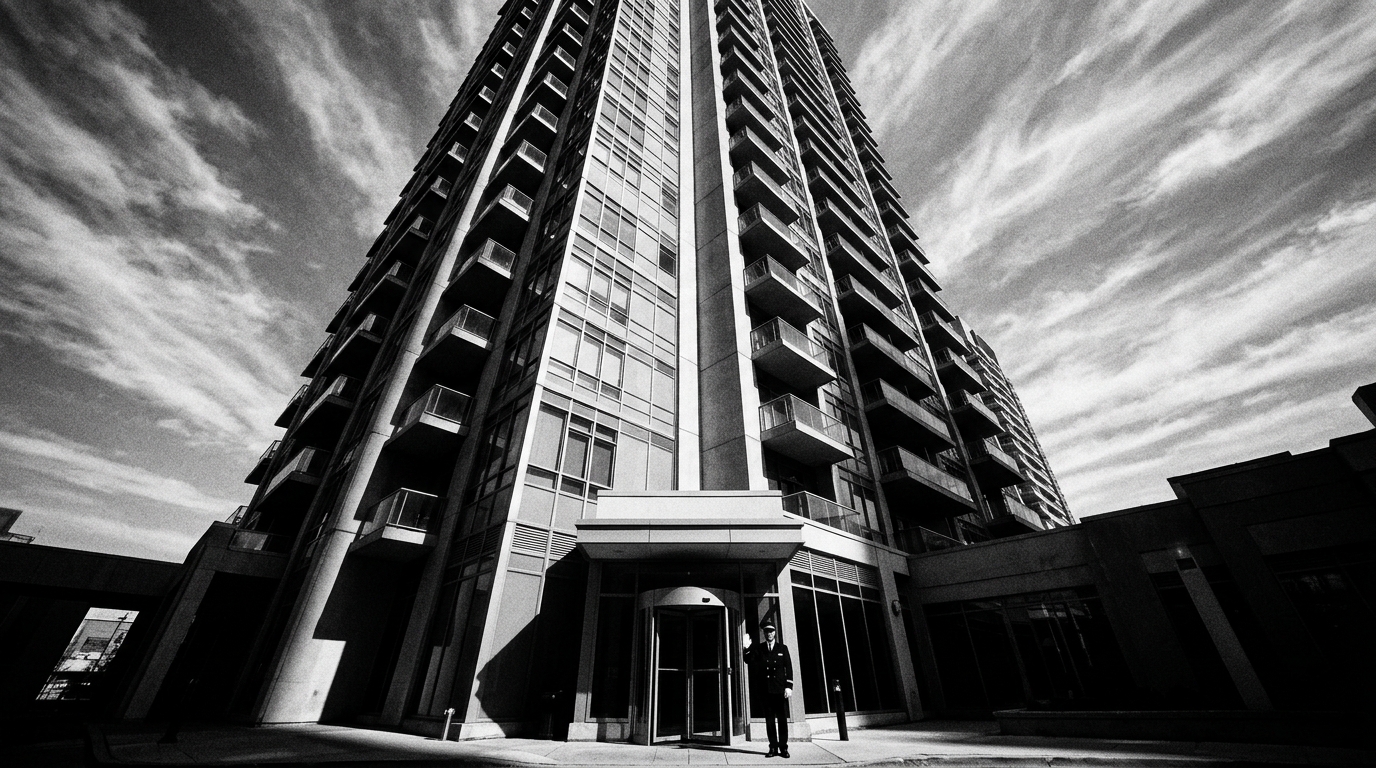
I want you to hold two numbers in your head. Fifty hotel suites. One hundred twenty "resort residences" where owners can opt their units into a hotel rental pool. That's Anantara's grand entrance into the United States... a luxury brand with over 640 properties worldwide, choosing to plant its American flag in a Miami condo tower where the real revenue engine isn't hospitality. It's real estate sales. One Sotheby's International Realty is handling the residential side. Let that tell you who this project is really built for.
Look... I'm not going to pretend I don't understand the play. Branded residences are the hottest capital structure in luxury development right now because the developer monetizes most of the building through condo sales and the hotel component gets carried along for the ride. The brand gets a splashy address. The developer gets to slap "Anantara" on a sales brochure and charge a premium. The condo buyers get a luxury hotel lobby and pool to walk through on their way to the elevator. Everybody wins on paper. But here's what 40 years of watching these deals taught me... the person running the hotel operation is the one holding the bag when the condo owners start complaining about noise from the restaurant, or the rental pool units sit empty in September, or the 50 actual hotel suites can't generate enough revenue to support the service level the brand demands. I've watched this exact tension play out at three different mixed-use towers. The residential side and the hospitality side always start as partners and end as adversaries. Always.
The "White Lotus" angle is real and it's worth acknowledging. Minor Hotels reportedly saw a 41% jump in direct online bookings after the show featured their Thai properties. That's genuine cultural capital, and it's the kind of thing that money can't buy. Smart to ride that wave. But TV buzz in 2025 and a building that opens in 2030 are separated by a lifetime in this industry. Five years is two economic cycles, at least one interest rate environment change, and enough time for the Miami luxury market (which is currently running hot with a projected 4.6% demand increase in 2026, partly on FIFA World Cup tailwinds) to cool, overheat, or reinvent itself entirely. You're betting that American consumers will still associate Anantara with aspirational luxury half a decade from now. Maybe they will. But I've seen too many brands mistake a cultural moment for a permanent market position.
Here's the part that the announcement carefully avoids. What does the operating model actually look like for 50 hotel suites in a 50-story building where 220 of the 270 keys are privately owned? Who controls rate integrity when condo owners in the rental pool start undercutting on Airbnb (and some of them will... they always do)? What's the staffing model for a luxury experience with a tiny room count that still needs a full F&B operation, a "vitality center" with Thai-inspired wellness programming, and the kind of service standard that Anantara is known for internationally? I knew an operator once who ran a branded-residence hotel with 60 keys in the rental pool. He told me his biggest headache wasn't the guests... it was the owners' association meetings. "I spend more time managing unit owners' expectations than I do managing the hotel," he said. "And the brand doesn't want to hear about it because the brand already got paid when the sign went up." That's the invisible operating reality of these projects, and it's the conversation nobody has before the renderings go out.
Minor Hotels has real global scale (640-plus properties, targeting 1,000 by 2030) and a genuine luxury product in Asian and Middle Eastern markets. I respect the ambition. Miami is a legitimate gateway city for international luxury brands trying to establish U.S. credibility. But launching your American presence with 50 hotel suites inside a condo tower is not the same as launching a hotel. It's launching a brand marketing exercise attached to a real estate play. The question isn't whether the building will be beautiful (it will... Patricia Urquiola is doing the interiors, KPF is doing the architecture). The question is whether 50 suites can sustain the operational infrastructure that makes Anantara mean something. Because a luxury brand that can't deliver luxury service isn't a luxury brand. It's just an expensive sign on a nice building.
This isn't a story that changes your Monday morning unless you're operating a luxury or upper-upscale property in South Florida. But here's why you should pay attention anyway. The branded-residence-with-hotel-component model is spreading fast, and some of you are going to get pitched on management contracts for these hybrid projects. Before you say yes, demand clarity on three things: who controls rate strategy for units in the rental pool, what's the minimum key count that stays in the hotel inventory year-round (not seasonally... year-round), and who funds the operating shortfall when 50 keys can't cover the cost of delivering a luxury service standard. This is what I call the Brand Reality Gap... the brand sells a promise at the development stage and the operator delivers it shift by shift with a fraction of the keys. If you're an owner or operator being courted for one of these deals, run your pro forma at 40% rental pool participation, not 80%. That's the number that shows up in year three. The renderings won't tell you that. Your P&L will.