Marriott's All-Inclusive Push Sounds Gorgeous. Can the Owners Actually Deliver It?
Marriott just signed two more all-inclusive resort deals, bringing its portfolio to 38 properties with 16 more in development. The brand promise is luxury, personalization, and 13 dining venues per property... the question is what happens when the owner runs the staffing model.
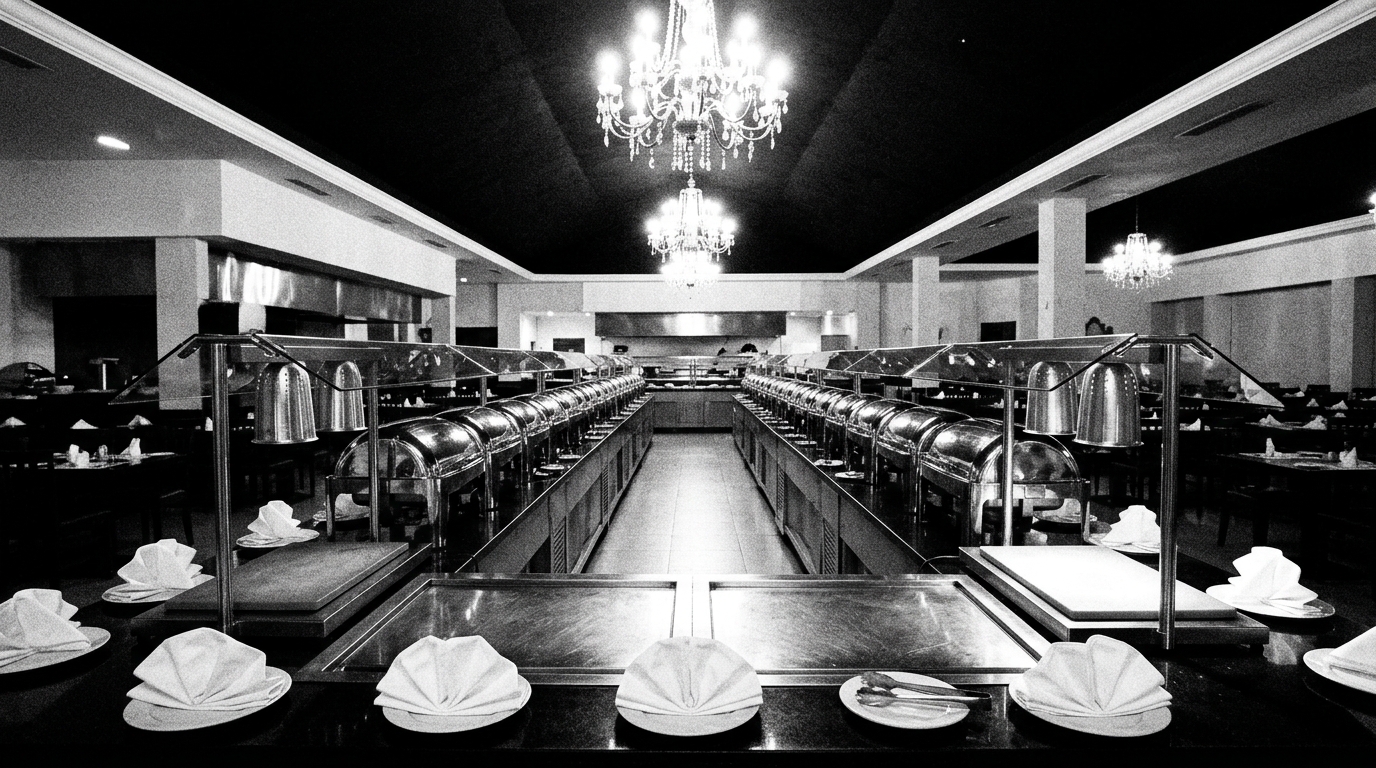
Let me tell you what caught my eye about this announcement, and it wasn't the beachfront footage or the lazy river. It was the number 13. Thirteen dining venues at a single 522-room resort in Montego Bay. Thirteen. I spent 15 years brand-side, and I have designed F&B programs for conversion properties, and I can tell you with absolute certainty that the distance between "13 dining venues in the rendering" and "13 dining venues fully staffed on a Wednesday in shoulder season" is approximately the width of the Caribbean Sea.
Marriott signed two new all-inclusive agreements with Catalonia Hotels & Resorts this week... a 522-room conversion in Jamaica expected to open in 2028, and a 271-room new-build in Zanzibar slated for 2027. The Zanzibar property is Autograph Collection, which is an interesting brand choice for all-inclusive (more on that in a moment). Together, these bring Marriott's all-inclusive pipeline to 38 open properties across nine markets with another 20-plus in various stages of development globally. The company has gone from one all-inclusive property in 2016 to building an entire vertical in a decade. That's not accidental. That's a strategic bet that the "pay once, worry never" consumer is here to stay, and the post-pandemic data supports it. Consumers who got burned by surprise resort fees and $28 poolside cocktails are gravitating toward a model where the price is the price. I get that. The consumer demand is real.
Here's where my filing cabinet starts talking. The all-inclusive model works beautifully when the brand promise and the operational reality are calibrated to each other. It falls apart spectacularly when they're not, because unlike a traditional hotel where a mediocre restaurant is just a mediocre restaurant, an all-inclusive property where the dining program underdelivers breaks the ENTIRE value proposition. The guest paid for everything upfront. Every weak touchpoint feels like theft. You can't hide a subpar experience behind "well, the room was nice"... the guest is measuring EVERYTHING against what they paid at the door. That's the deal. And when a brand like Marriott promises "personalized, unique luxury experiences" across 13 dining outlets, three pools, a spa, tennis courts, pickleball courts (pickleball... because of course), a lazy river, and 2,130 feet of beachfront, the delivery burden on the owner and operator is enormous. I sat in a franchise review once where an owner of an all-inclusive conversion pulled out his labor model, slid it across the table, and said, "Show me where the staff comes from." Nobody could. The brand had designed the experience. Nobody had designed the workforce plan.
The Zanzibar play is the one I'm watching more closely, honestly. Autograph Collection as an all-inclusive brand is a genuinely interesting positioning choice... Autograph's whole identity is "exactly like nothing else," which means each property is supposed to feel distinct and independent. That's hard enough in a traditional hotel model. In an all-inclusive model, where operational consistency directly affects the guest's perception of value, the tension between "unique and independent" and "reliably delivers on a comprehensive prepaid experience" is real. It's not unsolvable (and Catalonia, as a family-owned operator with 82 hotels, probably has the operational depth to pull it off), but it requires the kind of brand integration work that doesn't show up in press releases. The conversion in Jamaica is a more straightforward play... Marriott Hotels is a known quantity, the market is established, and converting an existing Catalonia property means the operational bones are already there. But 13 dining venues. I keep coming back to that number. I've watched three different flags try to deliver ambitious F&B programs in Caribbean all-inclusive conversions. The ones that work are the ones where the owner went in with eyes open about what "13 dining venues" actually costs in labor, food cost, and training when you can't just close the unprofitable ones because your guests already paid for them. The ones that don't work are the ones where the brand sold the vision and the owner discovered the P&L.
Marriott's all-inclusive strategy is sound at the portfolio level. Nearly 283 million Bonvoy members is a distribution engine that most all-inclusive operators would trade a kidney for, and the ability to slot all-inclusive properties into an existing loyalty ecosystem genuinely differentiates Marriott from legacy all-inclusive operators. But sound at the portfolio level and sound at the property level are two different conversations. The brand is making a promise. The owner is signing a check. And somewhere between the Barcelona signing ceremony and opening night in Montego Bay, someone is going to have to figure out how to staff 13 restaurants in a market where hospitality labor is already stretched thin. That's not a brand strategy question. That's a Tuesday night question. And the answer will determine whether this is a real expansion or brand theater with a lazy river.
Here's what I'd say to anyone looking at an all-inclusive conversion or being pitched one by a brand right now. Run the F&B labor model yourself before you sign anything. Not the brand's version... yours. Every outlet they want you to operate, staffed at the levels required to deliver the experience they're promising, at the wages your market actually demands. I've seen this movie before, and what I call the Brand Reality Gap is wider in all-inclusive than in any other segment because the guest has prepaid for the entire experience. You can't quietly close outlet number 11 when you're short-staffed without every guest in the building noticing. If you're already operating an all-inclusive, stress-test your food cost against a 10% increase in provisions and see what that does to your margin when you can't pass it through as a price increase mid-stay. The consumer demand for all-inclusive is real. The operating model is brutal. Know your numbers before someone else's projections become your problem.