Macau Hotels Are 90% Full. They're Making Less Money Per Guest Than Last Year.
Macau just posted a 90.4% hotel occupancy rate for the first half of 2026 while five-star room rates actually declined year-over-year. If you think high occupancy automatically means a healthy hotel market, you haven't been paying attention to who's actually walking through the door.
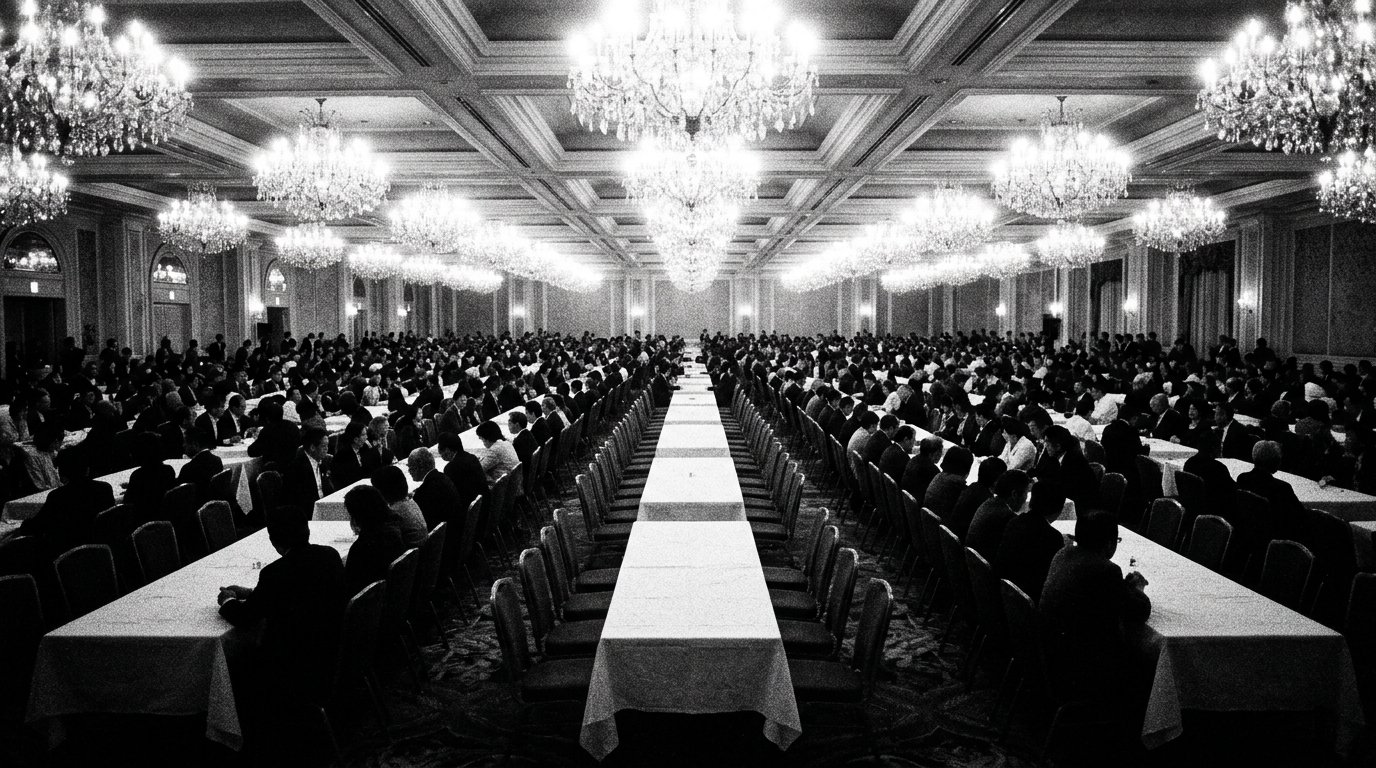
I worked with a GM years ago who had this thing he did every Monday. He'd pull the weekend occupancy report, and if it was above 90%, he'd smile. Then he'd pull the ADR report. If rate was flat or down, the smile disappeared. "Full and cheap is worse than 80% and proud," he used to say. I think about that guy every time I see a headline celebrating occupancy without mentioning what those rooms actually sold for.
Macau just reported 90.4% average hotel occupancy for the first six months of 2026. Five-star properties hit 93.8%. Four-stars climbed to 87.4% (up over 4 points year-over-year, which is genuinely impressive). The press releases are glowing. Everyone's celebrating. And buried in the data is this: five-star average nightly rates actually dropped 2.4% compared to last year. The total number of hotel guests fell 1.1% to 7.127 million. And the average length of stay shortened to 1.0 day. One day. Read that again. The average guest is staying one night.
So what's actually happening? Macau is getting more visitors... 20.9 million in H1, up 9% year-over-year. But the growth is almost entirely same-day visitors, up 15.3%. Overnight visitors barely budged (0.2% increase). The market is getting busier but shallower. More bodies through the turnstiles, fewer heads on pillows relative to total arrivals, and the ones who do stay are staying shorter and paying less per night. Gaming revenue tells a similar story... up 15.2% for the half, but Q2 came in flat year-on-year and dropped 7% from Q1. The FIFA World Cup apparently pulled premium players away from the tables. That's the kind of external variable that makes you realize how fragile a gaming-dependent hospitality market can be.
This is what I call the Flow-Through Truth Test playing out at market scale. Occupancy is up. Visitor counts are up. Gaming revenue is up for the half. But when you look at what's actually flowing through to the hotel operator... rate is down, stay duration is shrinking, and the guest mix is shifting toward day-trippers who eat lunch and leave. The government wants 60% non-gaming revenue by 2026 (which is right now, by the way), and the integrated resorts are building theme parks and convention centers to make it happen. That's smart long-term. But in the short term, every operator in Macau is managing a market where the headline number says "celebrate" and the operating reality says "be careful."
Here's what makes this story relevant beyond Macau. Every market in the world has a version of this. A resort destination that gets busier but not richer. A downtown hotel that runs 90%+ during convention season but gives back half the rate in concessions. An airport property that's always full and always fighting to hold ADR because the guest has zero loyalty and three other options within shuttle distance. Occupancy is the vanity metric. Rate and length of stay are the truth metrics. And mix... who's in those rooms, what are they spending beyond the room, how long are they staying... that's where the actual profit story lives. Macau's five-star hotels are nearly full. They're charging less per night than last year. If that math sounds familiar, you've already lived this movie. The ending depends entirely on whether you manage the rate or just manage the report.
If you're running a property in any high-demand leisure or gaming market, pull your last six months right now. Not just occupancy... pull ADR trend, average length of stay, and ancillary spend per occupied room. If occupancy is climbing while rate and stay duration are flat or declining, you're on the Macau treadmill. Running harder for the same revenue. Talk to your revenue manager about compression pricing discipline... the worst thing you can do in a 90%+ occupancy environment is leave rate on the table because "we want to keep the pace going." You don't need pace at 90%. You need yield. And if your ownership group is looking at occupancy reports and feeling comfortable, show them the rate trend underneath. That's the conversation worth having before someone else has it for you.