IHG Paid $116M for Ruby Hotels. Now Comes the Hard Part.
Ruby Hotels just signed its second U.S. property in four months, this time a 187-key Manhattan conversion with a 2027 opening. The "lean luxury" concept sounds gorgeous in a press release... the question is whether it survives contact with a $313 ADR market that eats underdifferentiated brands for breakfast.
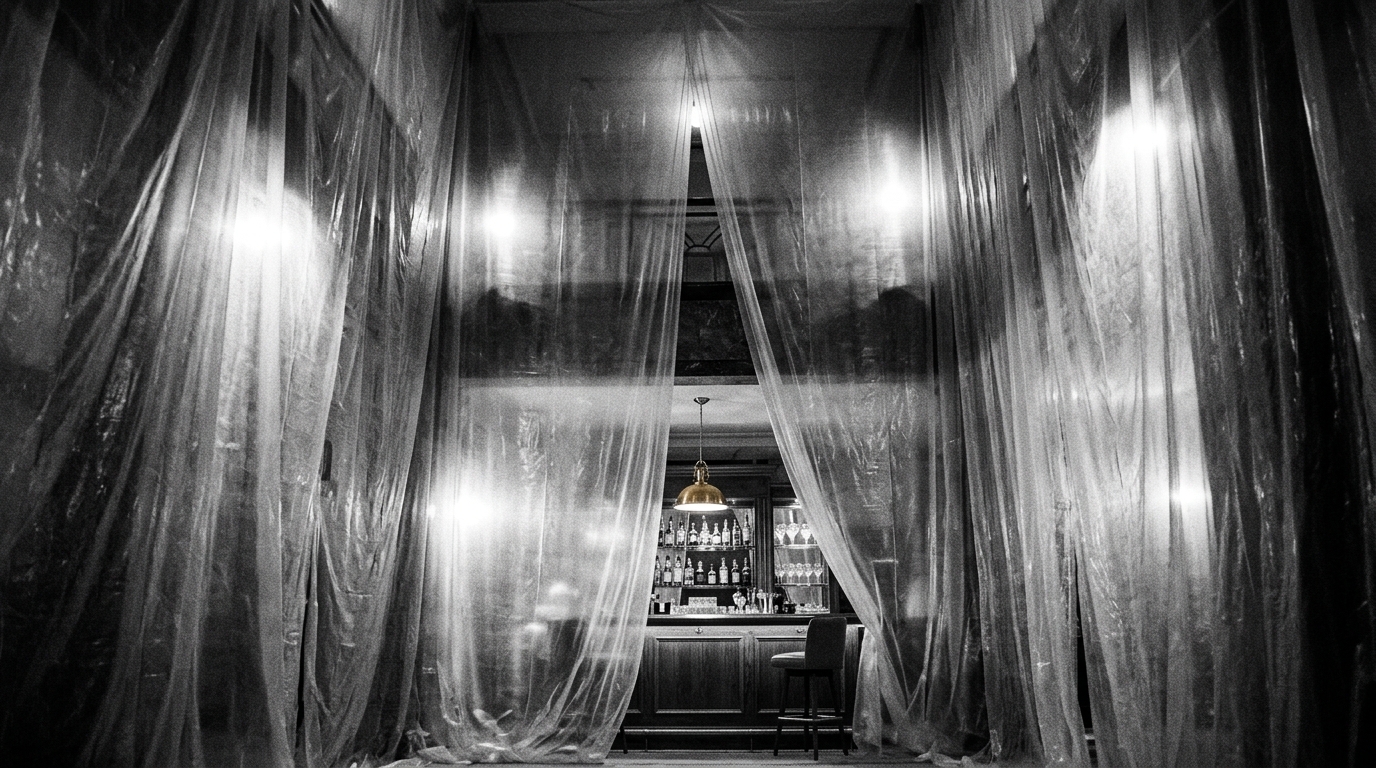
Let me tell you what I see when I read this announcement, and it's not what IHG wants me to see. They want me to see momentum. Two U.S. signings in four months, a splashy Manhattan address on Sixth Avenue near Herald Square, a historic 1930s building conversion, and the promise of 120 hotels within a decade growing to 250 within twenty years. That's the sizzle reel. And I'll admit... the sizzle is good. IHG paid roughly €110.5 million ($116 million) for the Ruby brand and its intellectual property in February 2025, and they are clearly in a hurry to prove that investment was worth it. A New York City signing is the kind of thing that makes a brand launch deck sing. I get it. I've built those decks. I know exactly how good this looks in the quarterly earnings presentation.
But here's where my brain goes, because I can't help it... I start running the Deliverable Test. Ruby's whole concept is "lean luxury." Contemporary design, efficient room layouts, a 24/7 lobby bar as the social hub, essential amenities minus the fluff. In Munich, that's a compelling proposition. In Vienna, absolutely. In European cities where travelers expect compact, stylish rooms and vibrant common spaces, Ruby has built a real following with about 40 properties. The model works there because the guest expectations align with the product. Now take that same concept and drop it into Manhattan, where the average daily rate is already $313.39, occupancy is running at 84%, and every guest who walks through your door has six other lifestyle hotels within a ten-minute walk. "Lean luxury" in a market that already has Moxy, citizenM, Pod, and a dozen boutique independents doing some version of the same thing? You'd better have an extremely clear answer to the question: why this and not that? Because "affordable luxury for the modern traveler" is not an answer. It's a tagline. And taglines don't check guests in.
Here's what makes this interesting (and by interesting I mean genuinely uncertain, which is rare for me). The bones of the deal are smart. AC Developers, who already own the voco Times Square for IHG, are the ownership group... so there's an existing relationship and presumably some trust built in. Aimbridge is managing, which means you've got one of the largest third-party operators in the country running the day-to-day. The building is a 1930s conversion, which fits Ruby's adaptive reuse playbook perfectly (they've done this across Europe with office and retail conversions, and the economics of converting existing structures versus ground-up development in Manhattan are obviously compelling). And the supply dynamics in New York are genuinely favorable right now... Local Law 18 gutted the short-term rental inventory, new zoning is constraining hotel development, and visitor numbers are projected at 68 million for 2025. The market conditions are as good as they're going to get. So the question isn't whether Manhattan needs more hotel rooms. It does. The question is whether Manhattan needs THIS hotel room, at this positioning, from a brand that has zero U.S. operating history.
And that's the part the press release left out. Ruby has never operated a single property in the United States. Not one. They're going from a European portfolio of roughly 40 hotels to simultaneously launching in Chicago and New York by 2027. Two gateway cities. Two conversions. Two markets with completely different labor dynamics, guest expectations, union considerations, and competitive landscapes than anything they've faced before. I've watched three different European lifestyle brands try to crack the U.S. market in the last decade, and the pattern is remarkably consistent... the concept photographs beautifully, the first property opens to great press, and then the operational reality of American hospitality (higher labor costs, different service expectations, the sheer complexity of running in New York) starts grinding against the European efficiency model. The ones that survive are the ones that adapt the concept to the market instead of insisting the market adapt to them. IHG is betting that Ruby can make that leap. At $116 million for the brand acquisition, they need it to.
I want to be clear about something because I think it matters. I'm not rooting against this. I love a good brand concept, and lean luxury done well (actually well, not mood-board well) fills a real gap in the U.S. market between full-service hotels that cost too much and select-service hotels that feel like they cost too little. If Ruby can deliver genuine design quality, a lobby bar that actually becomes a destination, and a room experience that feels intentional rather than just small... that's a real product. But "if" is doing a lot of heavy lifting in that sentence. The 187-key property on Sixth Avenue will be the proof point. Not the Chicago signing, not the pipeline announcements, not the press releases. This hotel, in this market, with actual guests comparing it to actual competitors at actual rates. The filing cabinet doesn't lie. And in about three years, when we can compare the projected loyalty contribution to the actual delivery, we'll know whether IHG bought a brand or bought a logo.
Here's what I'd say to any owner being pitched a Ruby conversion right now. Slow down. The concept has real merit, but the U.S. operating track record is exactly zero. Before you sign anything, demand actual performance data from comparable European properties... not the flagship in Munich, but the 150-key conversion in a secondary market. Ask what the total brand cost looks like as a percentage of revenue once you layer in loyalty assessments, PMS mandates, and whatever design standards they're about to codify for U.S. properties. And if you're already an IHG franchisee running a lifestyle or premium property within three miles of a proposed Ruby location, you need to understand right now what this does to your rate positioning. This is what I call the Brand Reality Gap... brands sell promises at scale, but properties deliver them shift by shift. IHG is going to be selling this brand hard for the next 24 months. Your job is to make sure the math works before the enthusiasm takes over.